
- Photos
- Specs
- Advantages
- Value
- Media Map
| Area:Nanjing | Type:airport | Frequency:360 |
| Address:Nanjing Lukou International Airport | Format:spam bot | Duration:5s |
| Location:T1 South Finger Corridor Boarding Gate | Min Qty:11 | Operating Time:0-24o'clock |
| Size:65吋 | Min Period:week |
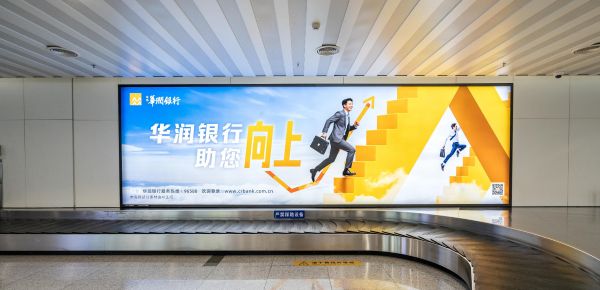
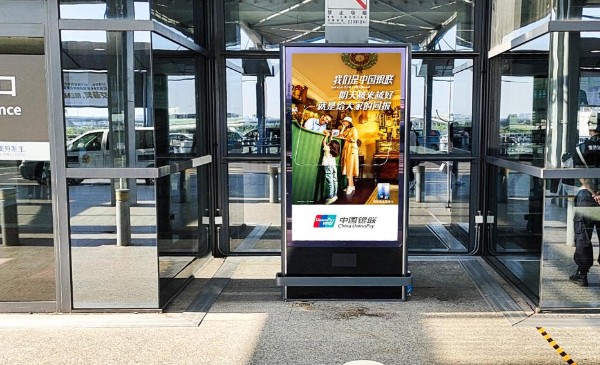
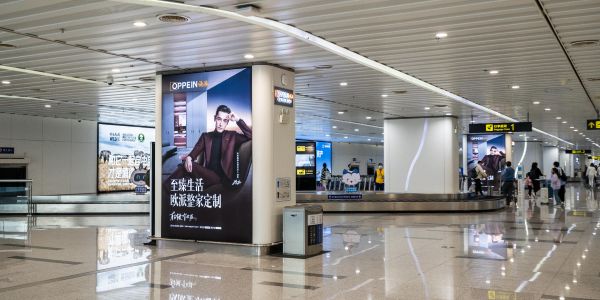
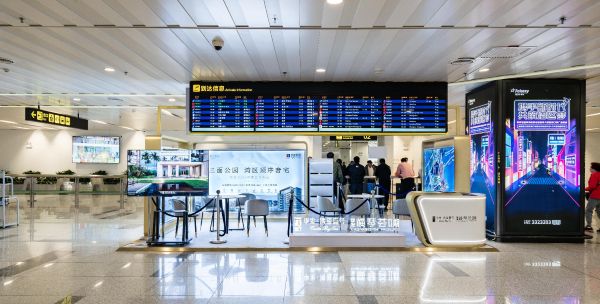
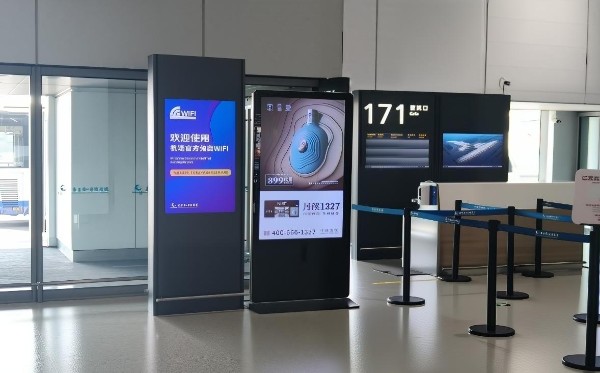
At T1 Terminal, near each boarding gate of the South Concourse for domestic departures, directly in front of / beside the seating area in the waiting area, the core visual area for passengers waiting and queuing for boarding is unobstructed and directly in line of sight. The screens are evenly arranged along the boarding gate route. Passengers, after passing security, enter the South Concourse and go to the boarding gate for the entire boarding process, all within the visual coverage of the screens, creating continuous, repetitive, and compulsory exposure.
The media is evenly distributed around all boarding gates in the T1 South Concourse. After completing security, passengers enter the waiting area and wait for an average of about 30 minutes, in a relaxed, low-interference, and focused state, which is the golden window for brand information implantation. Eleven screens broadcast uniformly to cover single points with multiple points linked, achieving full-area, blind-spot-free exposure of departing passenger flow in the South Concourse, greatly enhancing content acceptance and brand memory retention.
The 65-inch vertical screens are evenly distributed across all boarding gates in the South Concourse, forming a 'concourse-level' brand surround and strengthening regional memory. Passengers stay on average 15–30 minutes before boarding, in a low-interference, highly focused waiting state, creating a passive, compulsory viewing scenario. Each screen receives over 240 effective exposures per day, with an effective exposure rate ≥90%, achieving precise matching of 'advertising content = target audience.'
The screens are high-traffic, high-net-worth, high-exposure, high-conversion, and cost-effective premium outdoor media. Based on stable hub traffic, focused on high-net-worth passengers, and leveraging long-duration compulsory exposure, they can quickly increase brand exposure and awareness while efficiently converting high-end passengers.
The screens are usually installed directly in front of the seats or on the side walls, very close to the passengers' line of sight. Their layout creates an unavoidable compulsory viewing effect, ensuring that brand information is fully received. Combined with the average waiting time of the passengers, it ensures that every passenger can see the advertisement multiple times, greatly reinforcing brand memory and achieving a very high marketing conversion rate. Its visual impact and attractiveness far exceed static lightbox advertisements.
The standardized high-definition screen media set in the boarding gate area of the South Concourse for domestic departures is precisely located next to the boarding gates in the core waiting areas that passengers must pass through. Its core features include multi-point clustering, high-frequency rotation, and compulsory reach. It covers the entire domestic departure flow in the South Concourse and serves as an efficient brand communication channel for the 'last mile' before boarding. With the growth of airport passenger traffic and the increasing demand from high-end brands, advertising can benefit from both passenger traffic growth and brand premium.
Due to its special 'golden companion' position and the close-range compulsory visual advantage, it has become a key media for brands to communicate deeply with passengers while they wait, possessing extremely high exposure value and communication efficiency. Through close-range visual immersion and high-frequency dynamic exposure, in areas where passengers’ attention is most focused, it achieves deep and compulsory reach to high-net-worth individuals, making it a strategic media resource for brands' precision marketing and image building.
The T1 South Concourse boarding gate screen offers stable hub passenger traffic, high-net-worth targeted audiences, scarce exclusive locations, efficient exposure via matrix dissemination, and precise traffic guidance. By leveraging the scarcity of resources, it achieves a dual enhancement of communication value and commercial value.