
- Photos
- Specs
- Advantages
- Value
- Media Map
| Area:Beijing | Type:Metro | Frequency:0 |
| Address:Jiulong Mountain | Format:Film | Duration:0 |
| Location:Transfer Passage | Min Qty:2 | Operating Time:0-24o'clock |
| Size:324.8㎡,130 寸 | Min Period:4week |
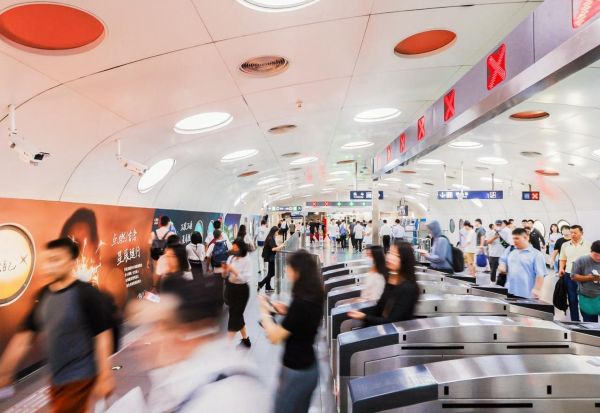
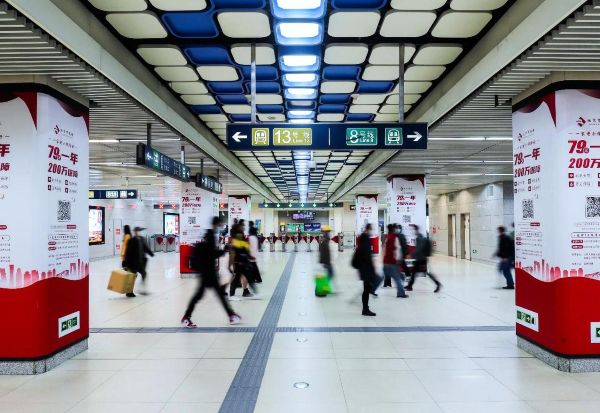
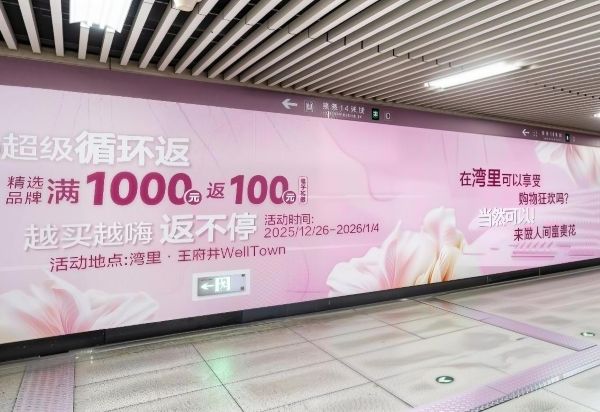
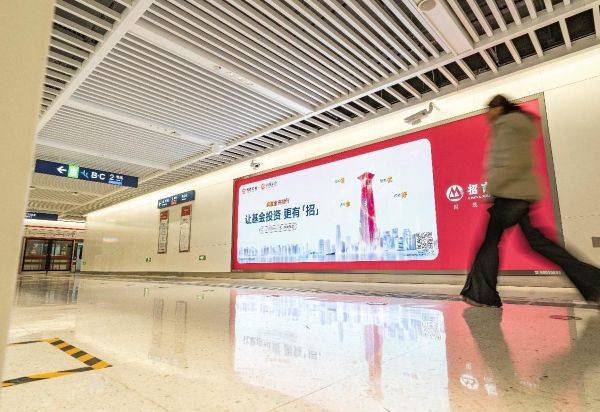
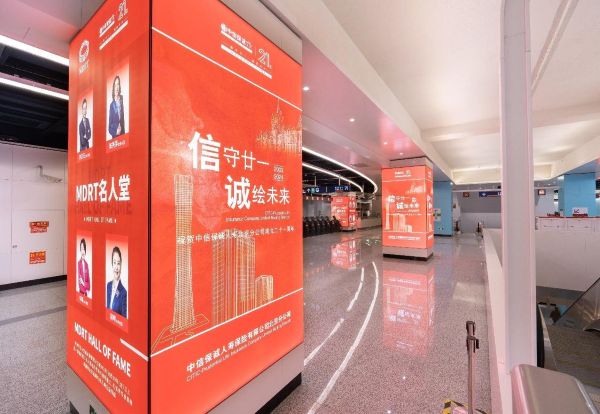
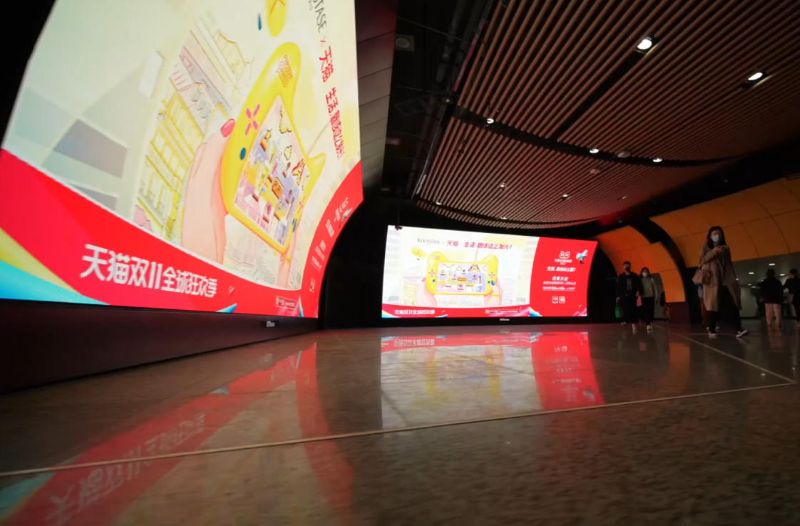
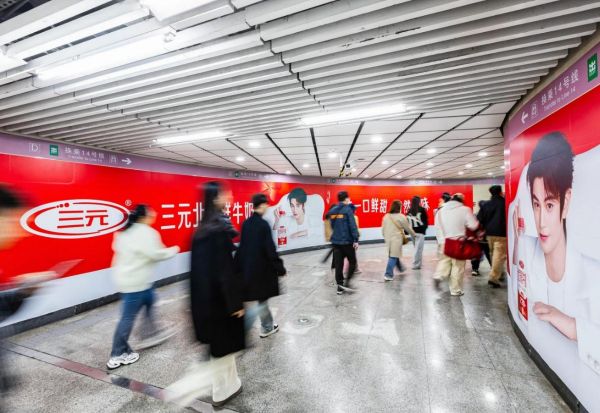
The transfer passage is the only mandatory connecting corridor interchangeable between Line 7 and Line 14. All transfer passengers and shoppers heading to Hopson One pass through the entire passage. Wall posters on both sides create a two-way visual enclosure from left and right, paired with a dynamic LED screen in the middle section that blends static and dynamic elements. Passengers cannot avoid the advertisements throughout their journey, enabling 100% full coverage and high-frequency exposure. The 130-inch dynamic LED captures attention instantly with video special effects to strengthen brand recall. The dual combination of static storytelling and dynamic traffic diversion delivers far better communication effects than standalone print media.
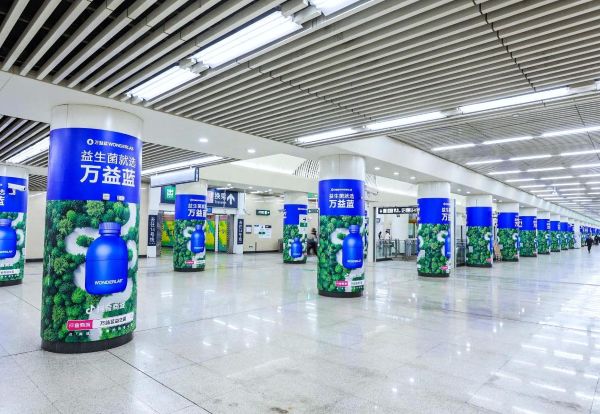
Stretching over 60 meters in total length, the transfer passage leverages its extra-long walls to build an immersive themed scene and create a popular internet-famous photo spot. It takes passengers 2 to 4 minutes to walk through under normal conditions, with longer dwell times during peak crowded hours. The enclosed underground space eliminates external visual distractions, allowing passengers ample time to read promotional copy on the walls and watch dynamic LED videos. This ensures complete delivery of brand messages and delivers superior memory retention compared with short passageways and short-duration media at gate entrances.
As the sole essential passage for interchange between the two metro lines, all two-way transfer passengers and shoppers traveling to and from the Hopson One commercial district must pass through this area, granting exclusive access to the station’s core foot traffic with steady exposure and 100% audience coverage. Giant wall posters on both sides construct an immersive static brand scene that carries in-depth brand information, while the central LED screen grabs pedestrians’ attention rapidly with dynamic light and shadow effects. The integration of static and dynamic content, as well as short and long-form messaging, forms a comprehensive communication loop that delivers instant eye-catching appeal followed by in-depth brand persuasion throughout the entire journey.
The only interchange passage connecting Line 7 and Line 14 serves as the sole two-way transfer route with no diversion or detours. The station records a daily passenger flow of over 110,000, among which transfer passengers account for as many as 97,000. Featuring a long passage with heavy crowds during rush hours and ample walking and dwelling time for passengers, the advertising media here achieves 100% mandatory coverage of all transfer passengers and commercial district consumers, making it a rare high-exposure and high-conversion advertising resource in the eastern urban area.
This underground enclosed interchange passage is free from cluttered outdoor distractions. Passengers spend 2 to 4 minutes passing through, and even longer during peak hours, leaving them sufficient time to fully read advertisements and receive campaign information, which greatly boosts brand recall rates. The extra-long continuous static displays can fully showcase brand stories, product portfolios and store promotions with strong narrative power and rich visual atmosphere, immersing passengers in branded visuals throughout their journey.
During morning and evening rush hours, passengers move slowly through the passage. The integrated combination of static narrative displays and dynamic promotional signage delivers far better communication effects than standalone flat advertisements. Linking the station concourse to the entrance of Hopson One Shopping Mall, the media precisely captures shoppers, diners and leisure visitors. Advertisements can directly promote store discounts, new store launches and mall exclusive offers, forming a complete conversion chain from metro exposure to offline store visits, and driving far more commercial foot traffic than regular media at commuter-only metro stations.