Airport Advertising: How to Maximize Brand Impact in Asian Travel Hubs
2026-07-14Tianci MediaViews:50
Highlights
If you’ve ever rushed through a busy terminal in Singapore or Hong Kong, you know the chaos. Thousands of passengers, rolling suitcases, flight announcements, and a sea of billboards all fighting for attention. That’s exactly the problem with airport advertising today – it’s noisy, expensive, and easy to ignore if you don’t have a smart plan. Many brands pour money into static posters, only to see travelers walk right past without a glance. The real issue isn’t the medium; it’s the approach. To make airport advertising work, you need to understand how people actually move through these spaces, what they’re thinking, and when they’re most receptive. Ignoring these human factors is why so many campaigns fail before they even take off.
Key Strategies for Successful Airport Advertising in Asia
Know Your Audience – Business vs. Leisure Travelers
Not all flyers are the same. A business traveler in Tokyo is rushing to a meeting, stressed about Wi-Fi and coffee. A family on vacation in Bali is relaxed, taking photos, and looking for duty-free deals. Your airport advertising in Asia must reflect these different mindsets. For business hubs like Changi or Incheon, short, punchy messages with clear calls-to-action work best – think app downloads or lounge access. For leisure destinations like Phuket or Denpasar, vibrant visuals and emotional storytelling grab attention. Segmenting your audience by flight routes and time of day is one of the smartest moves you can make. When you tailor your Asian airport ad placement to the passenger profile, you’re no longer shouting into the wind – you’re having a conversation that actually resonates.
Choose the Right Airport and Location Within the Terminal
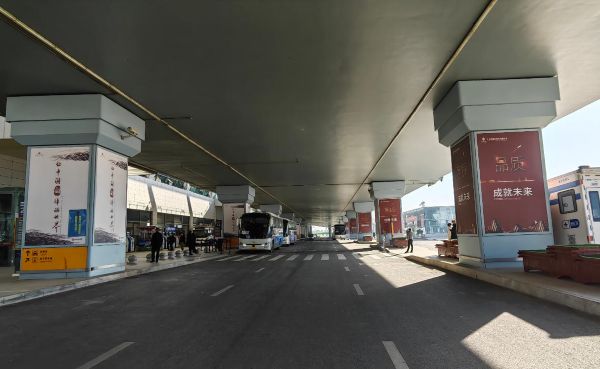
Not every airport delivers the same return. Tier-1 hubs like Beijing Daxing or Dubai International have massive footfall, but ad space costs a fortune. Mid-sized airports like Kuala Lumpur or Manila offer lower rates and less competition, yet still attract millions of international travelers. The trick is to match your budget with your target region. For brands focusing on advertising campaigns at Asian airports, consider secondary terminals or arrival halls – these areas often have longer dwell times. Arrival corridors, baggage claim belts, and even restroom mirrors are underrated spots where passengers are more relaxed and open to messaging. Also, don’t overlook the power of repetitive exposure: placing your ad near gates where flights board gives you multiple touches as people wait. Strategic airport advertising isn’t about being everywhere; it’s about being where it counts.
Leverage Digital and Interactive Formats
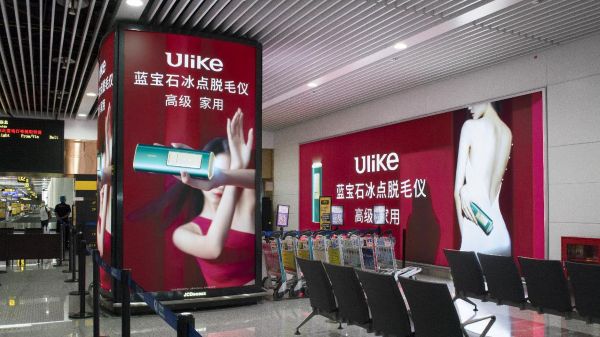
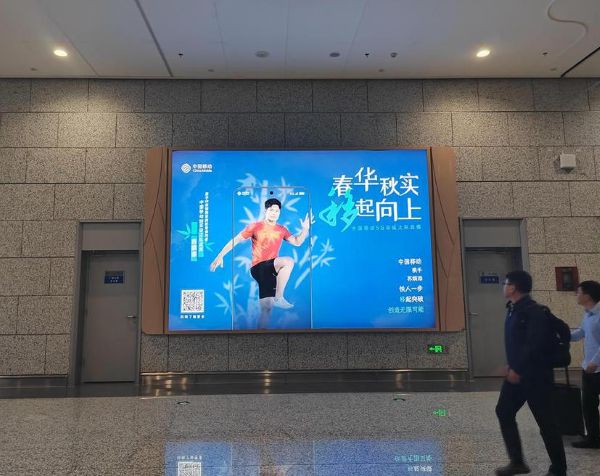
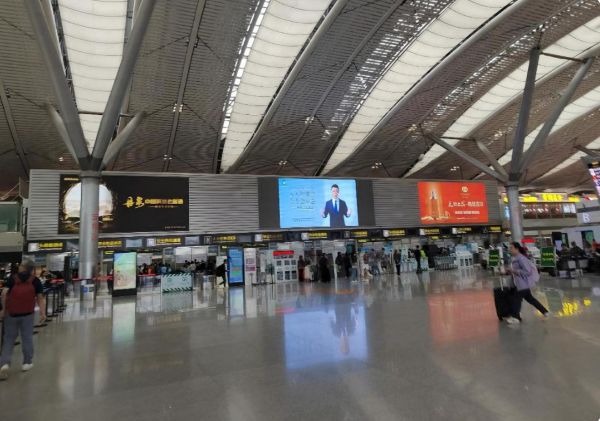
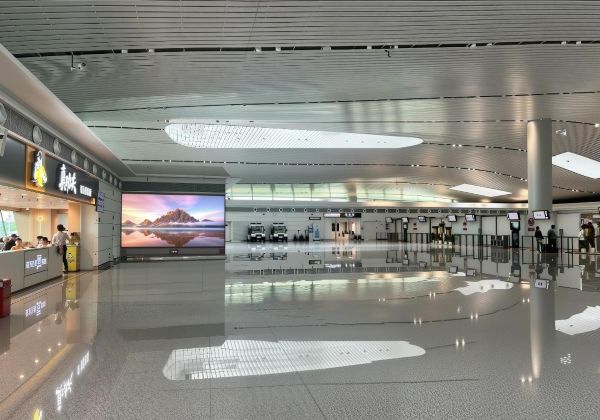
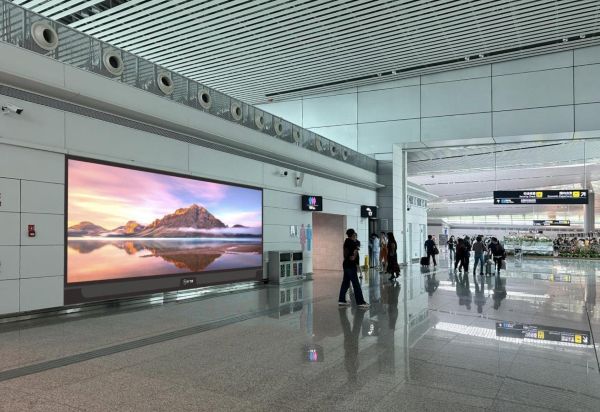
Static posters are dying. Today’s travelers are digital natives who expect screens, motion, and interactivity. Digital escalator panels, LED video walls, and augmented reality mirrors are transforming how brands connect with flyers. For example, a cosmetics company can let passengers try on lipstick shades via a virtual mirror, while a car brand can show a 360-degree interior tour on a massive curved display. These formats not only capture attention but also generate social media buzz – passengers love sharing cool experiences. When planning your airport advertising in Asia, budget for at least one interactive element. Data shows that interactive ads have 4x higher recall than static ones. Plus, they allow real-time content updates, so you can change messages based on flight delays or local events. This flexibility is gold for Asian airport ad placement because cultural nuances and holidays vary wildly across the region.
Measure and Optimize Your Campaign
Here’s where most advertisers drop the ball – they launch and forget. But modern airport advertising offers plenty of tracking tools. Use Bluetooth beacons to count passersby, QR codes to track scans, and even facial recognition (with privacy consent) to gauge attention time. Many digital screens now integrate with programmatic platforms, allowing you to adjust bids and creatives on the fly. For instance, if a flight to Tokyo gets delayed, you can switch your ad to a Japanese-language version instantly. Also, partner with airport apps to offer exclusive promo codes – this links offline exposure to online conversions. Regularly review your dwell-time data and click-through rates. If a particular location isn’t performing, rotate your creative or shift to a different gate. The goal is to treat advertising campaigns at Asian airports as living systems, not one-off posters. Continuous tweaking will double your ROI over the life of the campaign.
The Future of Airport Advertising in Asia
Looking ahead, Asian airports are becoming smart cities – biometric check-ins, automated luggage, and AI-driven retail. For advertisers, this means even more data points to personalize messaging. Imagine showing a sports drink ad to a passenger who just walked 2 kilometers through a terminal, or offering a spa discount to someone with a long layover. The integration of 5G and IoT will make airport advertising hyper-relevant and almost invisible – it’ll feel like a helpful service rather than an interruption. Brands that start experimenting with these technologies now will own the next decade of travel media. Meanwhile, sustainability is also rising: eco-friendly displays and carbon-offset campaigns are winning favor with younger travelers. So, whether you’re a luxury label or a budget airline, the core principle remains the same – respect the passenger’s journey, add value, and watch your brand take off. If you’re ready to dive deeper, explore our complete guide on out-of-home media planning for more actionable tips on measuring campaign effectiveness across different Asian markets.