China Airport Advertising 2026: Why Brands Are Flocking to Airport Media
2026-07-16Tianci MediaViews:9
Highlights
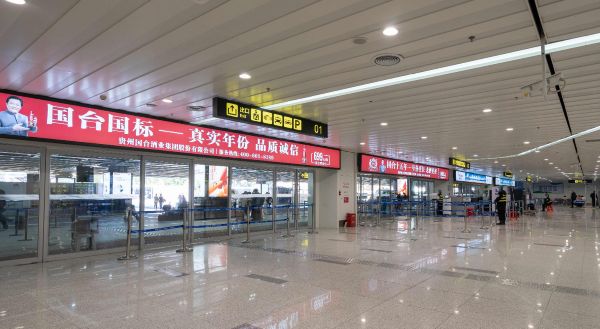
Let’s be honest—grabbing attention in today’s noisy digital world is getting tougher by the day. Your online ads get scrolled past, your social media posts vanish in seconds, and your target audience has learned to tune out banners like second nature. So where do you turn when you need to reach decision‑makers, high‑income professionals, and frequent travelers who actually have spending power? That’s exactly why China airport advertising has become the go‑to channel for brands that want to cut through the clutter. Airports aren’t just transit hubs anymore—they’re premium branding stages where your message lands in front of people with time, money, and influence to spare.
The Real Value Behind Airport Advertising in China
The numbers don’t lie. China’s civil aviation airports handled 1.46 billion passenger trips in 2024, up 15.9% year over year. That’s a massive audience flowing through terminals every single day. And these aren’t just any travelers—over 65% of airport passengers earn more than 300,000 RMB annually. The average 1.5‑hour waiting time gives your brand a captive audience that can’t swipe away. That’s the kind of engagement that makes China airport advertising stand head and shoulders above digital alternatives. Plus, the high dwell time means your message gets multiple exposures, reinforcing brand recall far better than a fleeting social media ad.
Shanghai Airport Advertising Placement: The Crown Jewel of Airport Media
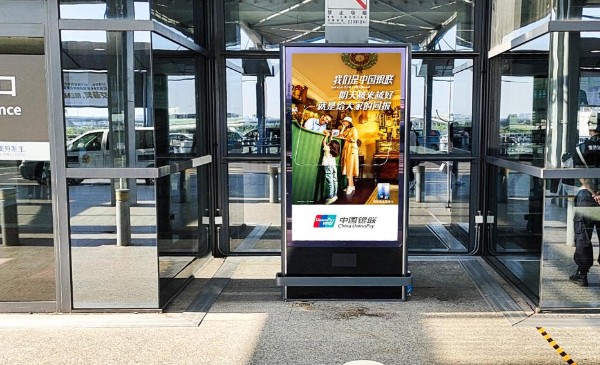
If you're looking at Shanghai airport advertising placement, you're targeting the country's busiest and most influential aviation hub. Shanghai's Pudong and Hongqiao airports serve as the gateway to China's financial capital, attracting business travelers, international executives, and high‑net‑worth individuals from around the globe. Major brands like PICC, China Post Savings Bank, and China UnionPay have all run high‑impact Shanghai airport advertising campaigns in recent years. The two airports offer everything from departure and arrival LED packages to premium lounge digital screens, giving advertisers flexible options to match their campaign goals. The sheer foot traffic—over 120 million passengers combined in 2025—makes this location a non‑negotiable choice for serious advertisers.
How to Plan Your Shanghai Advertising Campaign at Airports
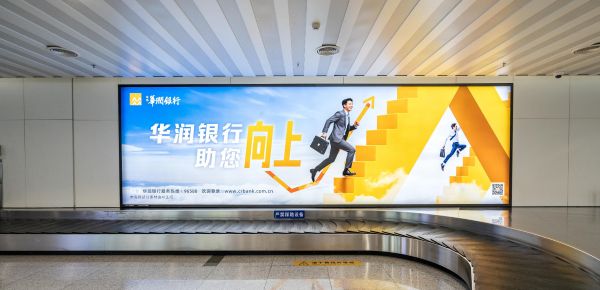
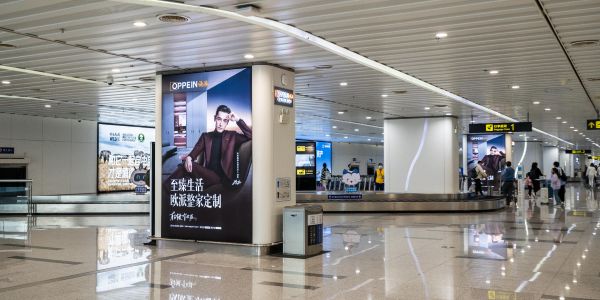
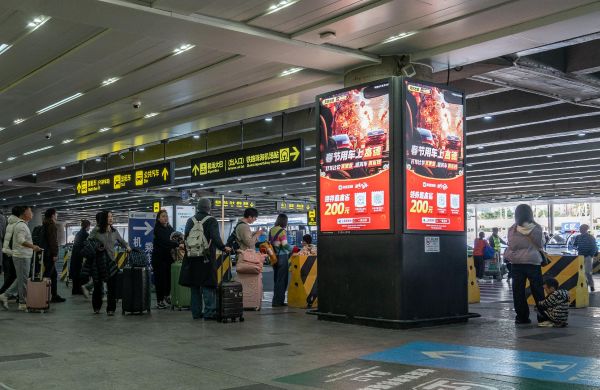
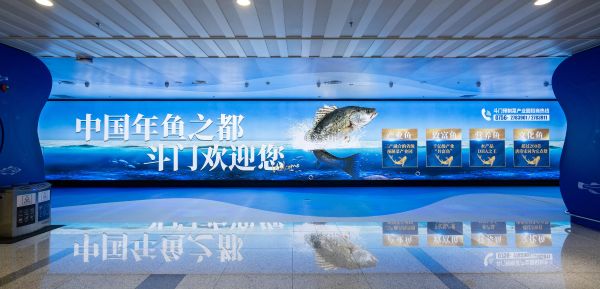
Shanghai advertising at airports isn’t just about picking a screen and hoping for the best. You need to think about passenger flow patterns, dwell time, and visual impact. Departure halls catch travelers before they check in—they're relaxed and receptive. Arrival areas hit people right as they step off the plane, often in a positive, open mindset. LED video walls now account for 52% of airport media spending, while static displays still hold their ground with 48%. A smart Shanghai advertising strategy combines both formats to maximize reach and frequency. Also, consider time‑of‑day programming—morning flights attract business commuters, while evening departures draw leisure travelers—so you can tailor your creative accordingly.
Technology Is Reshaping Airport Advertising
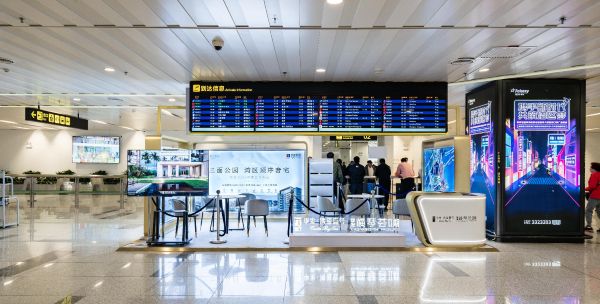
The days of static billboards are fading fast. The airport advertising industry is pushing hard toward digitalization, networking, and tech integration. AI, AR, and NFC technologies are turning passive viewing into interactive experiences. Some airports now feature glasses‑free 3D displays that stop travelers in their tracks. For brands running Shanghai airport advertising placement, these innovations mean higher engagement rates and better ROI. The closed environment of an airport terminal actually works in your favor—passengers are literally trapped with your message, giving it time to sink in. Real‑time data analytics also allow you to adjust creative content based on flight schedules, weather, or even passenger demographics, making each impression more relevant and effective.
What’s Next for China Airport Advertising?
Looking ahead, the trajectory is clear. After a challenging period from 2020 to 2024, the China airport advertising market is bouncing back strong. Revenue is projected to hit 10.45 billion RMB in 2025. Total airport media spending reached 21.06 billion RMB in 2025, with video media leading the charge. Domestic brands now dominate 83% of airport ad spend, crowding out international competitors. For anyone serious about Shanghai advertising and premium brand positioning, airports aren’t just an option—they’re becoming a necessity. The question isn’t whether to invest in airport media anymore. It’s whether you can afford to miss out on the most captive, high‑value audience in the country. As 5G and smart terminals spread, expect even more personalized and programmatic buying options in the near future.
Want to dive deeper into specific airport advertising strategies? Check out our detailed guides on Shanghai airport advertising placement costs and China airport media buying tips to plan your next campaign with confidence.