Airport Advertising in China 2026: What Brands Need to Know
2026-07-13Tianci MediaViews:55
Highlights
Let’s be honest—most brands chasing high-end consumers in China are still stuck running the same old digital campaigns. You throw money at Douyin, Xiaohongshu, and WeChat, hoping to catch the attention of business travelers and affluent shoppers. But here’s the thing: those platforms are crowded, expensive, and your message gets lost in the noise within seconds. That’s exactly why more and more marketers are turning to airport advertising. It’s not about replacing your digital strategy—it’s about adding a channel that actually puts your brand in front of the right people at the right moment. In 2025 alone, total airport media Launch reached 210.65 billion yuan, with video media accounting for 52% of that spend. The numbers don’t lie—this channel is bouncing back strong. So what’s driving this resurgence? China’s aviation sector is booming. In 2024, domestic airports handled 1.46 billion passenger trips, up 15.9% year-over-year. That’s a massive audience of frequent flyers, business decision-makers, and high-net-worth individuals—exactly the crowd most brands are dying to reach. And unlike your typicalOutdoor advertising, airport advertising offers something unique: a captive audience with time on their hands and money to spend. Let’s break down what’s actually working in 2026 and how you can make your China airport Advertising placement work harder for your brand.
Why Airport Advertising Beats Other Channels
Here’s the reality check most brand managers don’t want to hear: your average outdoor billboard gets glanced at for maybe two seconds. Airport advertisement is different. Travelers are stuck in terminals for hours—checking in, going through security, waiting at gates, picking up luggage. That’s a lot of idle time, and 83% of frequent flyers actively notice airport advertisements. Even better, 75% of those travelers associate airport ads with premium, high-quality brands.
The math is pretty straightforward. When you do China airport Advertising placement, you’re not buying eyeballs—you’re buying attention from people who actually have disposable income. Business travelers, luxury shoppers, overseas tourists—these aren’t random pedestrians on a city street. They’re decision-makers with purchasing power. That’s why you see brands like Mengniu, Huawei, Alibaba, and Tencent locking down prime airport real estate year after year. Good spots get snapped up fast, and once they’re gone, good luck finding anything comparable.
Digital Transformation Is Changing the Game
The old-school airport Advertisement model was pretty basic—buy a fixed lightbox, run the same creative for months, hope for the best. Not anymore. 2026 is all about digitalization and data-driven Launch. Programmatic digital out-of-home (pDOOH) is now live in major Chinese airports, allowing brands to bid on ad slots in real-time based on audience demographics and flight schedules. Imagine this: your luxury car ad only runs during weekday morning rush hours when business travelers are passing through. Your family vacation package shows up on weekend afternoons. That’s the level of precision we’re talking about.
The results speak for themselves. Brands using digital airport advertising combination in 2026 saw average ROI jump 187% compared to traditional static lightboxes, with some fast-moving consumer goods brands hitting 3x returns. On top of that, programmatic buying drops cost-per-thousand impressions by 22% while boosting lead quality by 41%. That’s not just incremental improvement—that’s a whole new ballgame. AI-powered interactive screens are also popping up across top-tier airports, letting travelers engage with ads through voice commands, gestures, or QR codes.
Smart Media Mix: What Actually Works
Not all airport advertising formats are created equal. Here’s the cheat sheet on what delivers results in 2026:
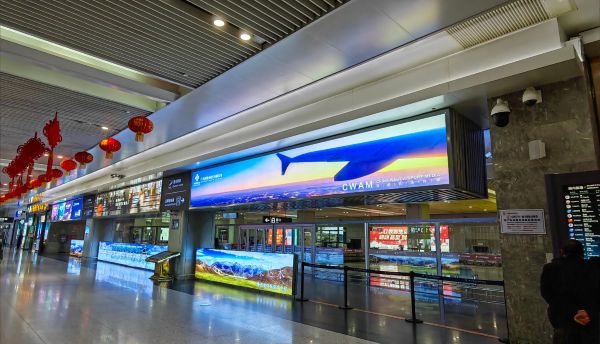
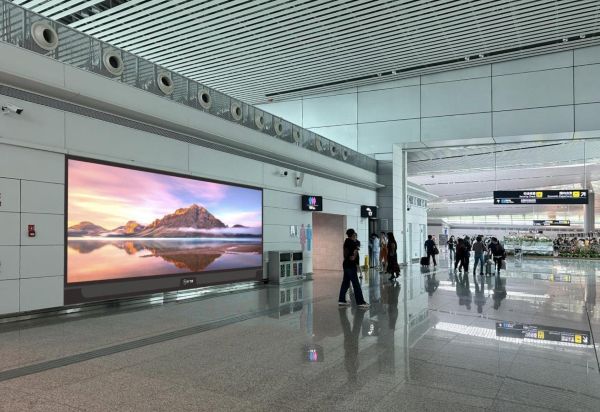
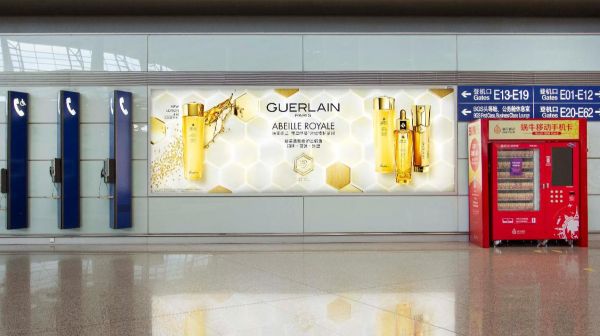
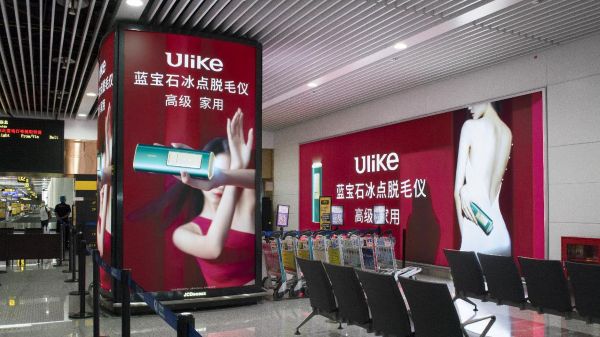
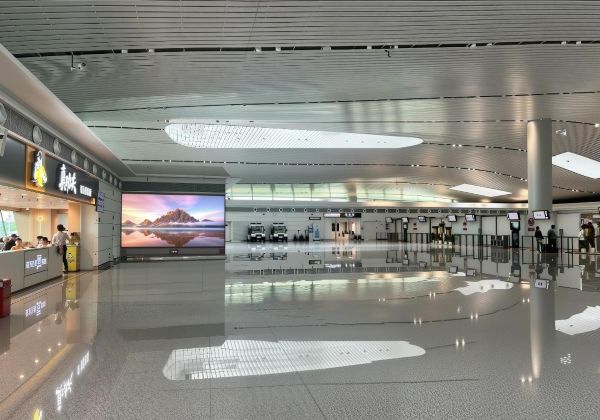
LED digital screens at check-in halls and security checkpoints pack the biggest visual punch—perfect for brand launches and high-impact campaigns. Lightboxes run 24/7 with stable visuals, ideal for long-term brand-building. Jet bridge ads are your last touchpoint before boarding—enclosed space, forced viewing, crazy high recall. Trolley ads travel with passengers through the entire journey, making them the most cost-effective mobile format. And VIP lounge ads give you direct access to first-class and business travelers—that’s where the big spenders hang out.
Take the “Black Land Premium” campaign as a real-world example. This agricultural brand went all-in on Shanghai Hongqiao, Guangzhou, and Shenzhen airports with a multi-point, high-frequency LED and LCD screen strategy. The result? Massive visibility across three of China’s busiest international gateways. That’s the power of a well-planned airport Advertisement media mix.
Measuring What Matters: The Data Behind the Spend
Here’s the old complaint about airport advertisement: “How do I know it actually works?” Fair question. But the industry has come a long way. In October 2025, the first-ever Airport Advertising Resource Value Evaluation Guide was released, finally giving brands a standardized framework to measure real impact. No more guessing games.
Today’s airport Advertising placement comes with full data attribution. Brands can track everything from QR code scans and shortlink clicks to search volume spikes and in-store visits. Some airports are even using Wi-Fi and Bluetooth beacons to link ad exposure to subsequent online behavior—visiting your website, checking your mini-program, even making a purchase within 72 hours. One luxury skincare brand ran a “scan for sample” campaign at Beijing Capital Airport’s arrival hall and found that exposed users had a 67% higher average order value than regular new customers. That’s the kind of concrete ROI that makes CFOs happy.
Looking Ahead: Where Airport Advertising Is Headed
The next few years are going to be interesting. Industry experts are calling for deeper integration of AIGC, interactive technologies, and naked eyes3D displays in airport advertising. Programmatic buying will become the norm rather than the exception. And with domestic brands now accounting for 83% of all airport media media placement—up from 74% the previous year—Chinese companies are clearly betting big on this channel.
If you’re still on the fence about airport Advertisement, here’s my take: the window of opportunity is wide open. The market is projected to hit 104.54 billion yuan in revenue by end of 2025, and competition for premium slots is only going to get fiercer. Whether you’re a luxury brand, a tech company, or a consumer goods player looking to go premium, airport advertising placement in China isn’t just an option anymore—it’s becoming table stakes.
Want to dig deeper into specific airport advertising strategies and media buying tips? Check out our other guides on China out-of-home advertising and programmatic DOOH Launch to level up your campaign game.