- Photos
- Specs
- Advantages
- Value
- Media Map
| Area:Beijing | Type:airport | Frequency:0 |
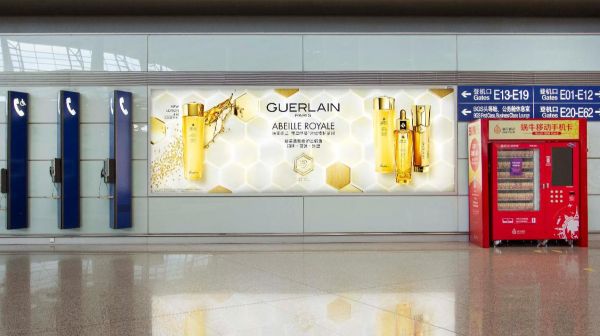
| Address:Beijing Capital Airport | Format:Light box | Duration:0 |
| Location:T3C Level 2 International Arrival Area | Min Qty:4 | Operating Time:0-24o'clock |
| Size:6.92×2.13 | Min Period:year |
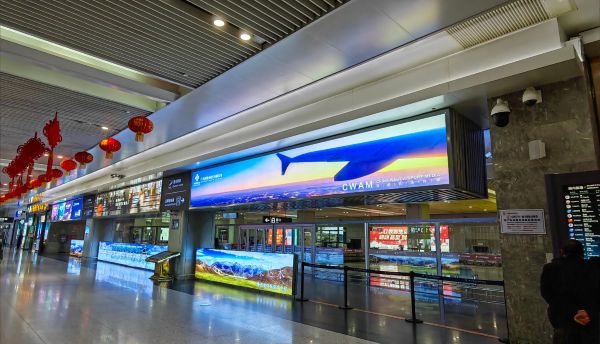
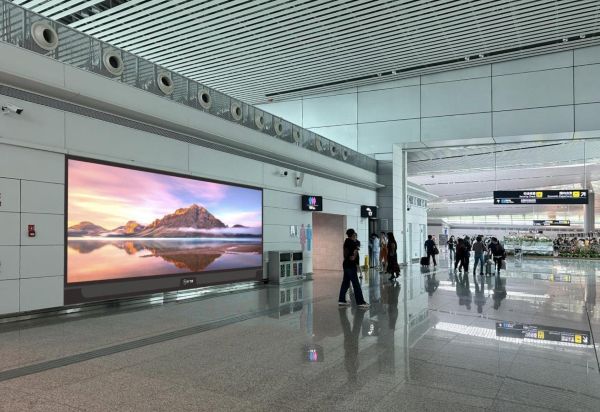
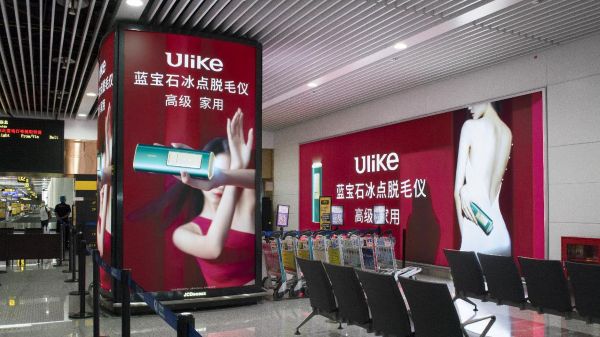
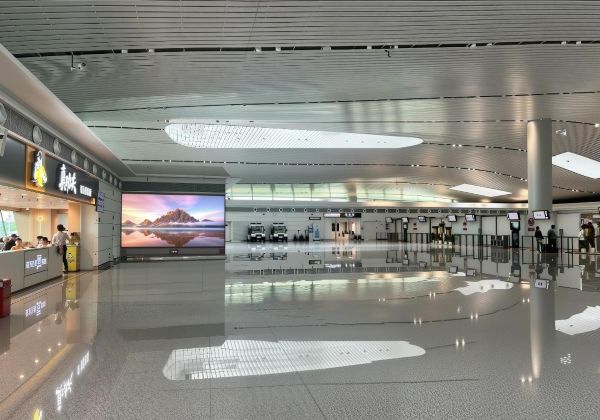
The large fixed high-end lightbox media located on the walls of the international baggage claim hall and exit corridor on the second floor of the T3C terminal is the core visual point along the route for arriving passengers. It is situated in a closed high-end arrival hall with no outdoor interference, clean and spacious environment, and serves as a key visual landmark media in the T3 international area. 100% of arriving passengers pass by it, providing strong visibility throughout luggage collection, customs clearance, and travel to the transportation center.
Relying on prime wall display positions, it naturally captures the main visual attention in the hall. Brand exposure is prominent and impressive, with low regional media density and no cluttered advertisements. This ensures strong brand exclusivity and high purity of communication. The extra-large screens provide stable luminous visual impact, excellent brand display effects, and passengers naturally focus their attention and experience long immersive viewing, leading to far higher ad recall than transient media.
Embedded/wall-mounted fixed displays are flat and grand, clearly visible from a distance and high-quality in texture up close. The average daily international passenger flow is about 44,000, with annual throughput exceeding 17 million, and peak season significantly increases. Passengers spend 20–30 minutes on average waiting for luggage, with focused attention and high ad recall. It covers 100% of the mandatory paths for all international arrivals, with no visual obstructions creating a forced gaze scenario.
The high-end enclosed indoor environment of international arrivals is clean and pure, with minimal interference from other media. Passengers have sufficient time to collect luggage and move at a leisurely pace, actively paying attention to the wall screens in their idle state, resulting in immersive long-term ad memory retention and improved brand favorability.
The largest cluster of wall advertisements in the international arrivals area, the lightboxes occupy the essential path of passengers’ movement. Whether heading to the baggage claim hall or transferring to the airport express train or taxis, travelers must pass through this corridor. During the daily throughput of tens of thousands of international passengers, the exclusive display surface takes advantage of this 'forced stop' time in passengers' walking route, embedding brand information in a high-frequency, repetitive manner, creating a deep visual imprint in their memory.
As the largest single static media asset at a global airport arrivals terminal in terms of area, with the highest conversion efficiency and strongest brand retention, it serves as the first high-value brand touchpoint for international travelers after arrival, forming a complete loop of 'visual impact → emotional arousal → consumption decision.' Arriving passengers enter a long-duration gazing, undistracted environment, with their vision 100% forcibly locked, with no detours or avoidance possible. The ad memory retention rate is 2.5 times higher than media in the departure area.
Wall-mounted lightboxes occupy prime positions on walls that international arrivals cannot bypass. The limited and non-replicable inventory results in very low competitor interference. Advertisers can gain exclusive situational dominance, firmly capturing passengers’ visual focus. The advertisement information can achieve immersive penetration and precise coverage of the entire inbound passenger population. The exposure and reach efficiency far surpass ordinary ad locations, further enhancing the cost-effectiveness of brand advertisement.
Relying on the advantage of Capital Airport's international routes, these wall lightboxes cover all international and Hong Kong, Macao, and Taiwan inbound passengers. The placements are rooted in the essential pathways of arrivals, with no diversion or missed passengers, achieving one-stop coverage of the entire passenger group, enabling investments to have both communication value and brand enhancement value.