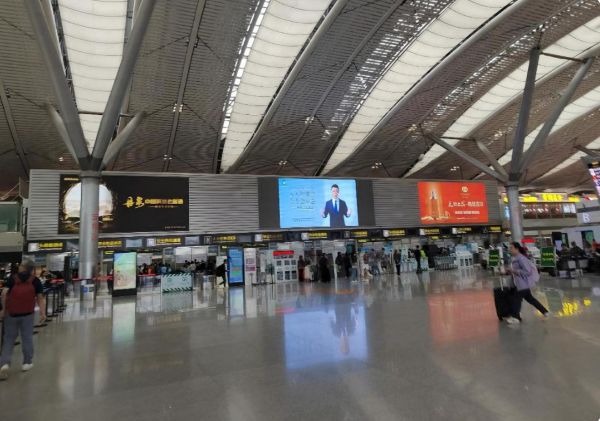
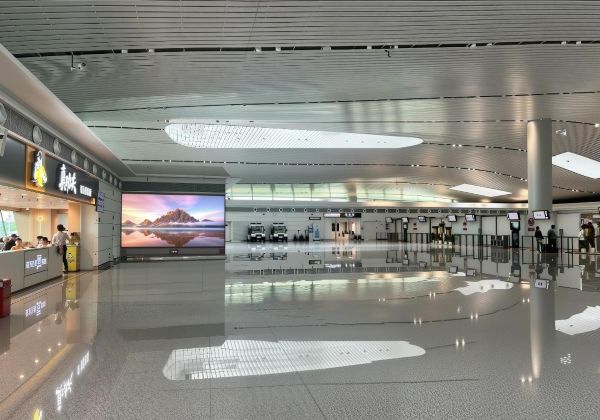
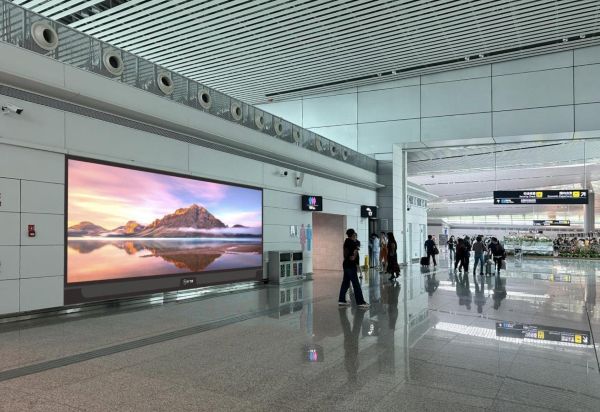
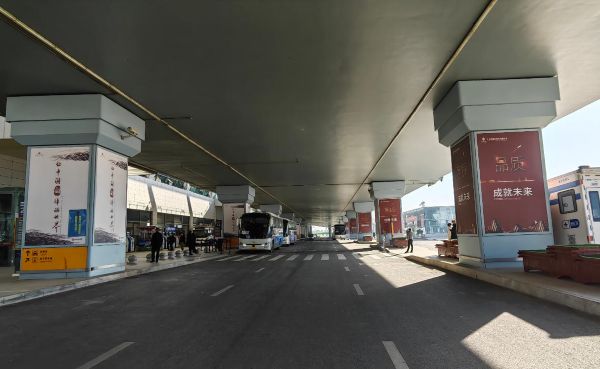
Airport Advertising: Tell a City's Story at Its Gateway
2026-08-28Tianci MediaViews:5
Highlights
Airport advertising is long labeled "expensive, premium, only for big brands." But look closer: the terminal is the city's first business card to the world. The moment travelers arrive or depart, what they first perceive is not an ad—it is the city's temperament. This article reframes airport advertising from a "premium exposure slot" into a "city-gateway cultural interface." By resonating with local narrative, brands sync with the city's identity and borrow the gateway's premium certification.
1. Why Airport Advertising Should Move From "Premium Exposure" to "Gateway Narrative"
Airport audiences are high-net-worth, high-decision-power business and leisure travelers, but their psychology is special: in the departure hall they carry anticipation for a destination; in the arrival hall they form a first impression of a city. A brand shouting "we are number one" feels hollow here; a brand saying "welcome to a city that writes its fireworks into the sky" instantly binds with culture. The real premium of airport advertising is using the gateway's "city certification" function to stamp brand quality.
2. The Unique "Local-Culture Interface" of Terminal Media
The cultural interface of airport advertising is the city gateway: first, the right of first impression—the arrival hall is the traveler's first visual contact with the city; second, the ritual node, where post-security and pre-boarding are "blank moments" of emotional transition with high concentration; third, the destination card, where departures can invite and arrivals can welcome. Understand gateway attribute, and terminal media becomes a shared stage for city and brand, not an isolated ad.
3. Matching City Character With Gateway Tone
Gateway narrative must echo city character. Beijing and Shanghai suit grand, international tones; Chengdu and Changsha suit warm, hospitable local expression; Xi'an and Hangzhou suit cultural depth where history meets future. Even within one terminal, international departure and domestic arrival rhythms differ. The tone of airport advertising is essentially speaking *for* the city—brands should be good voice-over actors for the place.
4. Localized Storytelling: Festivals, Dialects, Landmarks
First, city events: align with airshows, expos, and local tourism festivals to show "the city right now." Second, local welcome lines: use dialect or city slogans as welcome hooks. Third, landmark dialogue: weave the imagery of the terminal's view or local icons into the creative. The localization of airport advertising lets travelers "know the city before entering it," embedding the brand into the first impression.
5. Industry-Specific Local Tactics
Automotive & luxury: borrow gateway premium certification for an "elite choice of the city" identity narrative.
Wealth management & banking: align with frequent business travelers using "the city's wealth pulse" trust backing.
OTA & tourism: use the airport as a destination trailer to drive reverse tourism.
Gifting & premium retail: appear as "a gift for the journey," capturing ritual consumption at departure and arrival.
Each industry's airport advertising uses gateway momentum for premium positioning.
6. Local Creators and Community Co-Creation
Airports can partner with city tourism on a "most beautiful hometown" image campaign, putting locals' footage of the city on terminal screens. The brand as sponsor gains a "city co-builder" halo. Airport advertising thus upgrades from "I show, you watch" to a joint exhibition of city and brand.
7. Measuring Cultural Reach and Brand Favorability
Beyond CPM, airport advertising should track:
(1) premium association—lift in "premium/trustworthy" linkage;
(2) city association—unprompted brand-city binding;
(3) visits & leads—post-launch local high-value store visits or inquiries;
(4) social volume—traveler check-ins and shares. The return of gateway narrative lives in "certification value."
8. Five Creative Principles for Gateway Resonance
Effective airport advertising follows five principles. First, certify, do not boast—let the gateway's premium aura lift the brand rather than claiming superiority outright. Second, welcome like a local, using dialect and city symbols as hospitality rather than generic slogans. Third, respect the ritual, matching creative to departure anticipation and arrival relief. Fourth, stage the destination, making the terminal a prelude to the place ahead. Fifth, co-author with the city, partnering tourism boards and locals for authentic resonance. These turn the terminal into a cultural stage rather than a logo wall.
9. Common Mistakes
Mistake one: treating the airport as an "expensive logo wall" stacking only logos.
Mistake two: ignoring the difference between arrival and departure scenes.
Mistake three: not borrowing city culture, going solo.
Mistake four: missing the high-value post-security zones. Airport advertising waste usually sits in "gateway without narrative."
10. FAQ
Q: Is airport advertising worthwhile for mid-size brands?
Yes—focus on regional routes, specific terminals, or digital rotators to control cost with "precise gateway" reach.
Q: How should airport pair with in-flight advertising?
The terminal does "city premium certification"; the cabin does "exclusive companionship"—two-stage relay across the whole journey.
Q: How to secure the best positions?
Lock post-security, boarding-gate pathways, and arrival-hall exits early—these are emotional-node media.
Summary
The next stage of airport advertising is moving from "expensive equals premium" to "gateway equals narrative." When you let a brand become the city's first business card to the world, it earns not one impression, but a quality seal recognized by premium audiences.