- Photos
- Specs
- Advantages
- Value
- Media Map
| Area:Beijing | Type:airport | Frequency:120 |
| Address:Chengdu Shuangliu International Airport | Format:spam bot | Duration:10s |
| Location:T2 Domestic Departures and Arrivals | Min Qty:66 | Operating Time:0-24o'clock |
| Size:65英寸 | Min Period:4weeks |
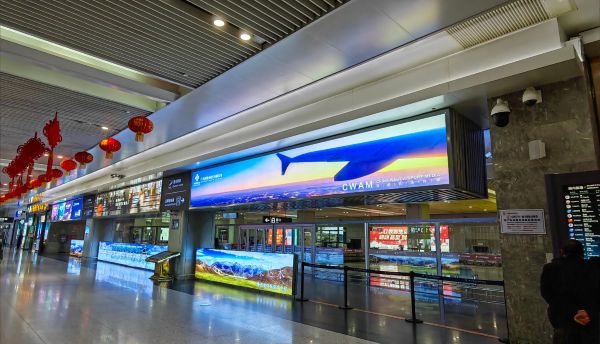
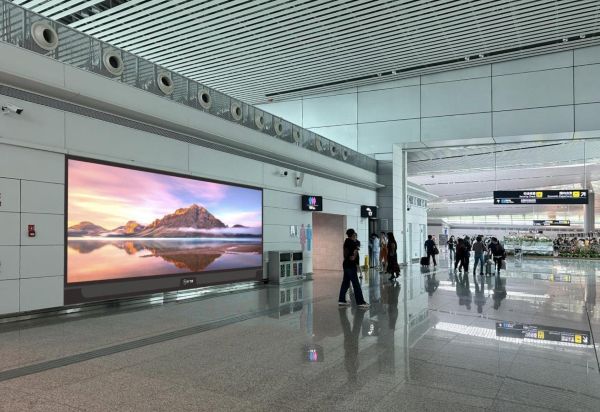
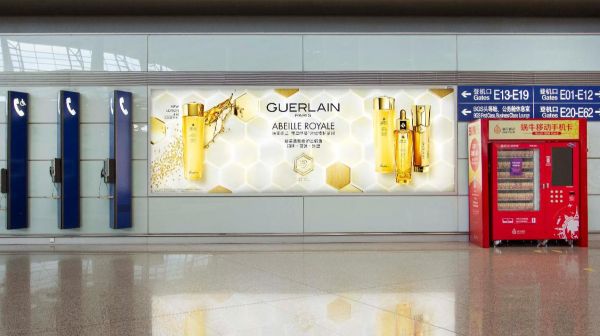
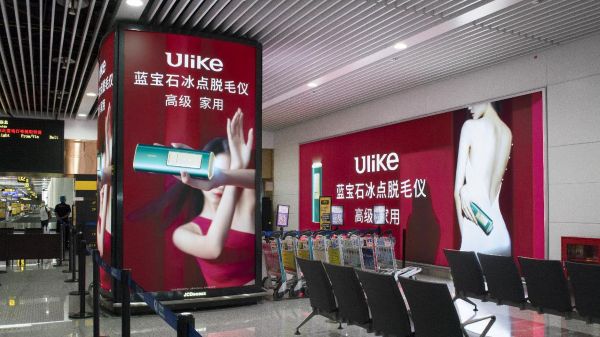
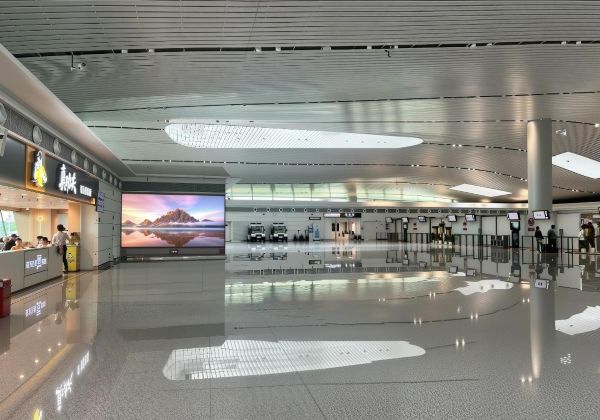
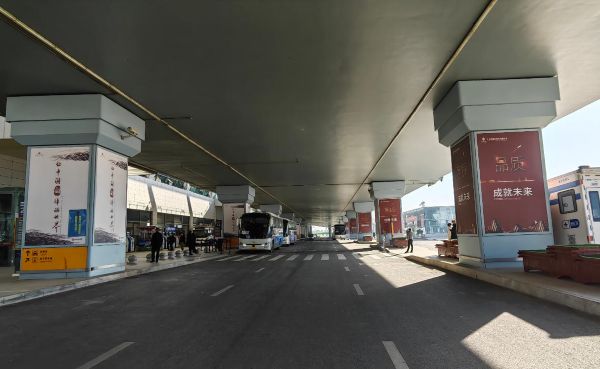
Located at core passenger nodes that must be passed through on the T2 domestic departure level, domestic arrival level, and arrival welcome area, the points are arranged along the full journey route of check-in → security check → waiting for flight → boarding → arrival → baggage claim → leaving the terminal, providing 360° coverage of all passenger travel scenarios. The passenger waiting time of 20–30 minutes ensures 100% coverage of arriving passengers and passengers picking up arrivals. The airport environment is enclosed with minimal interference, leading to high passenger attention and higher advertising recall than conventional media.
In the departure area, isolated zones inside security have no detours or distracting ads, ensuring passive, forced viewing. In the arrival area, passengers waiting for baggage or exiting slowly are focused, with vertical eye-level installations providing comfortable viewing, close-up clarity, and direct information delivery to the eyes. During waiting periods for flights and baggage collection, passengers pass through the same points multiple times, repeatedly encountering the screen, which enhances brand impression and results in advertising recall far higher than ordinary media.
Using 65-inch or larger high-definition LCD screens supporting 4K dynamic video, high-definition images, and mixed text playback, these displays offer high color fidelity and smooth video without lag. The advantages of high-frequency exposure and scenario-based coverage effectively alleviate visual fatigue from static ads.
Utilizing the 10–15 minutes that passengers spend in queues, content is delivered up close and frequently, achieving over 95% attention. With daily inbound and outbound passenger flows consistently exceeding 80,000, the media network leverages its advantages in scenarios, technology, audience, and effectiveness to build a communication barrier that is difficult to replace.
The screen system at Shuangliu Airport T2 implements full-process closed-loop coverage for domestic passengers. Through a high-density point distribution and high-frequency rotation mechanism, the media can repeatedly expose information along the passenger's movement line. This is the area where passengers stay the longest after arrival, with an average waiting time of 8 to 12 minutes, providing a valuable time window for in-depth brand information penetration.
In T2 terminal, around the domestic departure security checkpoint, boarding channels, gates, arrival corridors, and baggage claim areas, a two-way communication closed loop is formed, from strong stimulation during departure to deep memory upon arrival. Focusing on high-stay movement lines from post-security check to pre-boarding, it achieves mandatory visual coverage, forming dual touchpoints of information reception and emotional release, covering 100% of T2 domestic passengers, with no blind spots or interference, providing a full-path immersive communication environment for brands.
Core digital screen media covering the entire process for domestic passengers covers all necessary movement lines such as post-security checkpoints and arrival corridors. Its core features include high-definition vertical screens, networked dense coverage, and enclosed strong reach. Its core values are full coverage of key movement lines, precise reach of high-net-worth passengers, strong exposure in enclosed environments, and high-definition visual impact, achieving multiple objectives: enhancing brand image, precise penetration in the Southwest market, and efficient conversion.
LCD high-definition electronic screen advertising media in key arrival areas, arranged in a matrix layout, covers passenger movement lines throughout the entire process. It provides brands with high-frequency, precise, and immersive digital display. As the mainstream form of digital media at traffic entry points, it achieves zero dead zones, no interference, and mandatory exposure.