- Photos
- Specs
- Advantages
- Value
- Media Map
| Area:Beijing | Type:Metro | Frequency:0 |
| Address:Huixin Xijie Nankou | Format:Film | Duration:0 |
| Location:platform | Min Qty:1 | Operating Time:0-24o'clock |
| Size:/ | Min Period:4week |
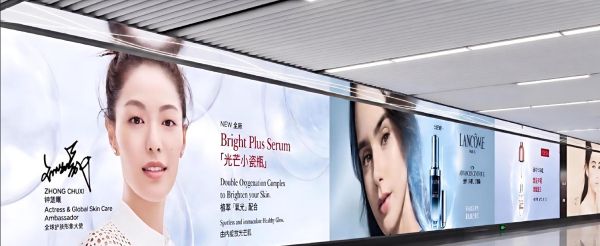
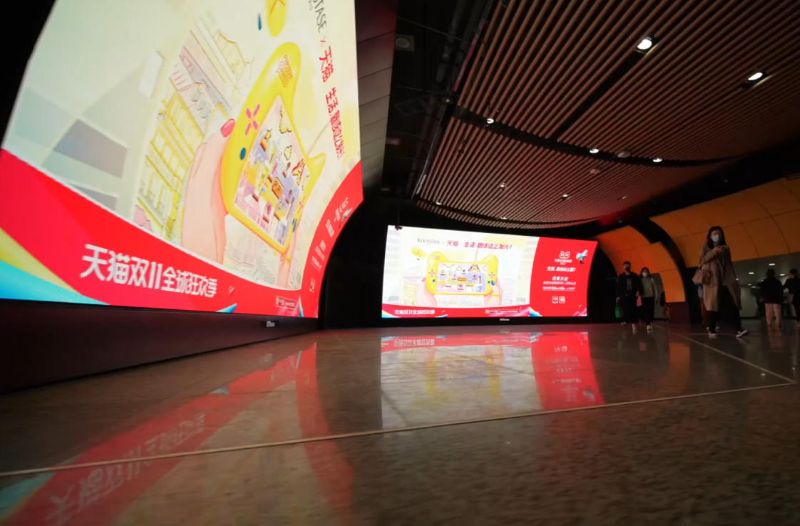
The average daily transfer passenger flow exceeds 100,000 person-times, with one-way transfer volume hitting 70,000 person-times during morning rush hours. Platform screen door stickers are positioned directly within passengers’ natural line of sight while waiting for trains, achieving nearly 100% unobstructed and interference-free reach. Designed at eye level, core information can be conveyed within 3 seconds, resulting in low visual fatigue. The completeness of instant information absorption from advertisements increases by over 60%, with a markedly higher memory retention rate compared to overhead or side advertisements.
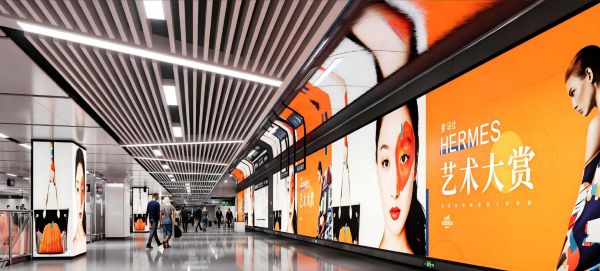
Platform screen door stickers perfectly match the human eye’s horizontal viewing range. Passengers spend an average of 2 to 5 minutes waiting, engaging in sustained close-range viewing. Unlike distant light box advertisements, they enable full absorption of graphic and text information. All boarding and alighting passengers must pass through this area, delivering nearly 100% effective reach among waiting passengers with no blind spots. Continuous full-length visuals on one side can form an ultra-long brand visual corridor featuring coherent and striking imagery that supports extended creative design, boasting far stronger visual impact than scattered single-point advertisements.
Metro platforms are relatively enclosed waiting spaces where passengers can hardly avoid advertisements while waiting for trains, generating a forced exposure effect. The platform features a neat and tidy environment with few competing advertisements. Brand visuals occupy the core waiting viewing zone to strengthen brand recall. In addition, they can be flexibly deployed together with platform light boxes to build a three-dimensional communication matrix: light boxes in the distance build brand momentum, while screen door stickers up close achieve in-depth audience engagement.
Platform screen door advertisements are placed at passengers' eye level, serving as an unavoidable core visual spot while waiting for trains. Passengers spend around 3 minutes waiting, during which their attention is relatively unoccupied, leading to highly efficient information absorption. The continuous extra-long visuals along the entire platform form an exclusive brand visual corridor without fragmented imagery, delivering powerful visual impact. They can fully accommodate various marketing content including brand image building, new product launches, and promotional campaigns, achieving far higher attention and recall rates than scattered advertisements.
The platform waiting area features an enclosed, independent environment with a clean layout and minimal interference from irrelevant advertisements. Brand visuals can dominate the core visual space with strong appeal, covering passenger flows throughout the day: morning rush-hour commutes, daytime leisure trips, and evening return journeys. This enables consistent, long-term brand exposure. When deployed together with platform light boxes, they create a three-dimensional communication matrix integrating near and far visual layers to further boost communication effectiveness.
As a rare core interchange station for two metro lines in northern Beijing, single-side platform screen door advertisements represent premium metro media balancing traffic volume, cost-effectiveness and targeting precision. Leveraging massive and stable passenger flows, they enable large-scale brand exposure, while single-side targeted placement keeps marketing costs under control. Suitable for long-term brand image development and short-term campaign momentum building, these advertisements constitute a high-quality core spot for brands to cultivate the northern Beijing market and capture passenger traffic in the Asian Olympic Sports Zone.