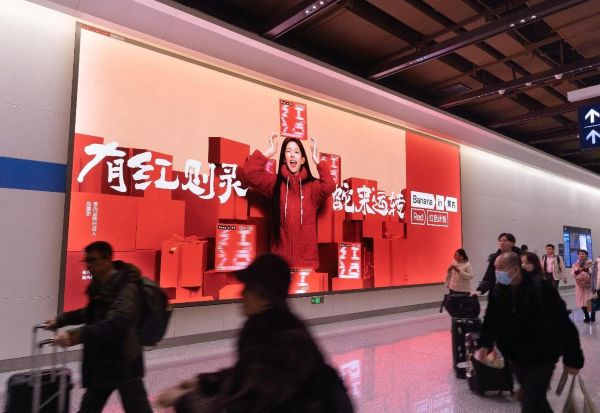
Article: Subway Advertising – The Ultimate Guide to Metro Ad Success in 2026
2026-06-01Tianci MediaViews:91
Highlights
Subway advertising (also known as metro or underground transit advertising) has evolved into one of the most powerful out‑of‑home (OOH) media channels for brands targeting urban commuters. With millions of daily riders in major cities like New York, London, Tokyo, and Shanghai, subway systems offer unmatched reach and frequency. This article explores why subway advertising works, the main ad formats available, and how to optimise your metro ad campaign for maximum impact.
Why Subway Advertising Matters in 2026
Urbanisation continues to drive public transit ridership. According to recent transit reports, global metro ridership has rebounded to pre‑2020 levels, with many systems exceeding 90% of their previous daily passenger counts. Subway riders are often a captive audience – waiting on platforms, riding in train cars, or walking through corridors. This dwell time creates repeated exposure to ads, leading to higher brand recall compared to many digital channels.
Moreover, subway advertising complements digital marketing. Commuters are frequently on their smartphones; well‑placed metro ads can trigger immediate online searches or social media engagements. When integrated with QR codes or NFC tags, offline subway ads become gateways to digital experiences.
Popular Subway Ad Formats
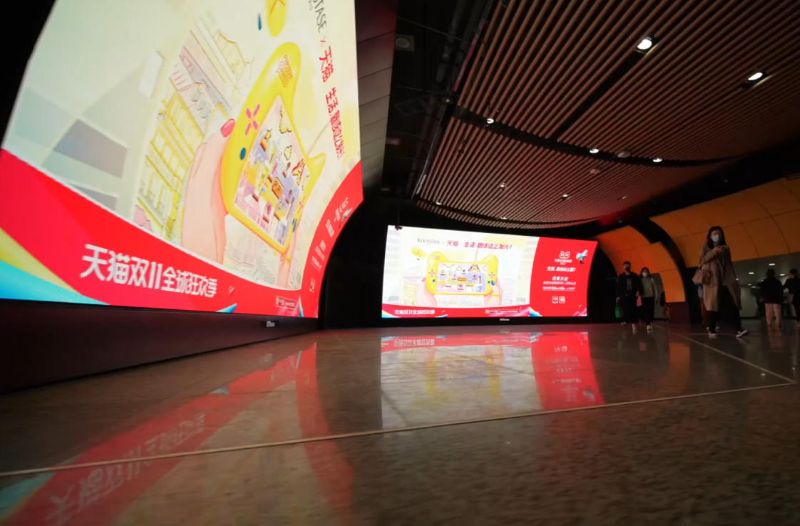
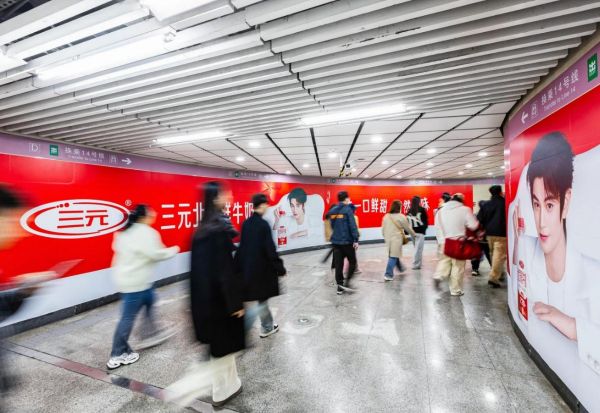
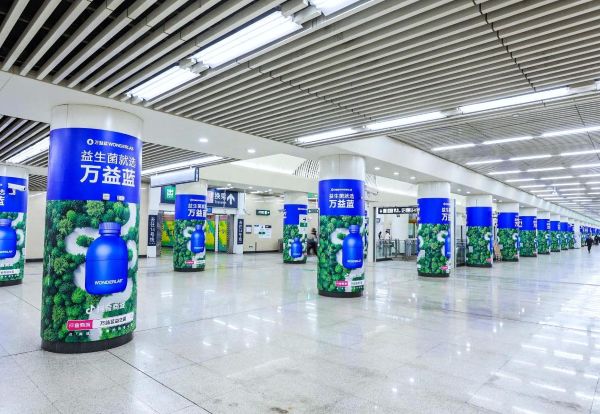
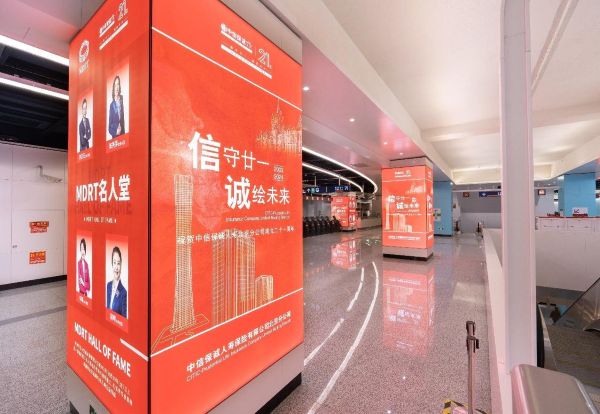
Platform Billboards – Large static or digital posters along walls and pillars. Ideal for building brand awareness with high‑visibility visuals.
Train Wraps (Interior & Exterior) – Full train wraps turn an entire subway car into a moving billboard. Interior wraps cover ceilings, floors, and windows, immersing passengers in your brand story.
Digital Screens – Programmatic digital panels inside stations and tunnels (e.g., tunnel vision panels that show video as trains move). These allow real‑time ad rotation and location‑based targeting.
Station Domination – A premium package where one brand takes over all ad spaces in a busy station (escalators, hallways, platforms, ticket halls). Guarantees 100% share of voice for that station.
Floor & Handrail Ads – Novelty placements that catch the eye of tired commuters looking down at their feet or reaching for a handle.
How to Build a High‑ROI Subway Ad Campaign
1. Define your audience by line and station.
Different subway lines serve different demographics. A line connecting financial districts will have more office workers and higher income levels; a line through university areas reaches students and young innovators. Choose stations based on your ideal customer profile.
2. Use creative that works in low‑attention environments.
Commuters are often rushed or distracted. Keep messaging short, bold, and visual. Your brand logo, a clear value proposition, and a single call‑to‑action (e.g., “Scan to save 20%”) perform best. Avoid small text or complex messages.
3. Leverage timing and frequency.
Run campaigns during peak commuting hours (7–10 AM and 4–7 PM) to maximise impressions. However, off‑peak times can be cheaper and still reach shift workers, tourists, and shoppers. A continuous presence over 4–6 weeks typically delivers optimal frequency.
4. Measure outcomes with unique codes.
Use dedicated landing page URLs, QR codes, or promo codes that are specific to your subway campaign. Track redemption and web traffic to calculate real ROI. Many digital out‑of‑home (DOOH) providers now offer impression counts based on train schedules and passenger counters.
Pitfalls to Avoid
Ignoring local regulations – Some cities restrict ad content (e.g., no flashing animations near tracks). Always check transit authority guidelines.
Overlooking cleanliness and safety – Ads placed near exits or emergency signs can be rejected. Respect passenger safety.
Using low‑resolution artwork – Subway lighting can be dim, and passengers move fast. Use high‑contrast, high‑resolution designs that are legible from at least 15 feet.
The Future of Metro Advertising
By 2026, we’ll see wider adoption of AI‑enabled digital screens that change content based on real‑time crowd density, weather, or even the train’s arrival delay. Augmented reality (AR) subway ads – where passengers point their phones at a poster to play a game or see a 3D product – are already being tested in Seoul and London. Also, expect more privacy‑conscious beacon technology that sends offers to commuters’ opt‑in transit apps when they enter a station.
Final Thoughts
Subway advertising offers a unique blend of mass reach, geographic targeting, and creative flexibility. When combined with digital analytics, it’s a measurable and scalable channel for both local businesses and global brands. Start by defining your key stations, craft simple but striking visuals, and always test different formats. The next time millions of riders descend into the metro, make sure they see your brand – and remember it.