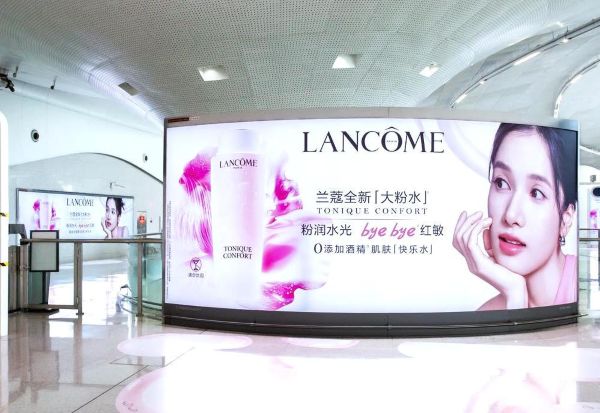
Subway Advertising: A Smart Way to Reach Urban Commuters
2026-06-14Tianci MediaViews:79
Highlights
Subway advertising (also known as metro or underground advertising) offers brands a unique opportunity to connect with a captive audience. Millions of city commuters pass through transit systems daily, making it one of the most effective forms of out-of-home (OOH) media.
Why Choose Subway Advertising?
High dwell time. Passengers often wait 3–10 minutes on platforms and spend 15–40 minutes inside trains. This gives your message repeated exposure.
Captive environment. Unlike digital ads that can be skipped, subway ads are unavoidable. Riders naturally scan their surroundings, increasing recall rates.
Mass reach. Major metro systems serve diverse demographics – from office workers and students to tourists and shoppers.
Cost-effective CPM. Compared to online display ads or billboards, subway advertising often delivers a lower cost per thousand impressions in dense urban areas.
Popular Subway Ad Formats
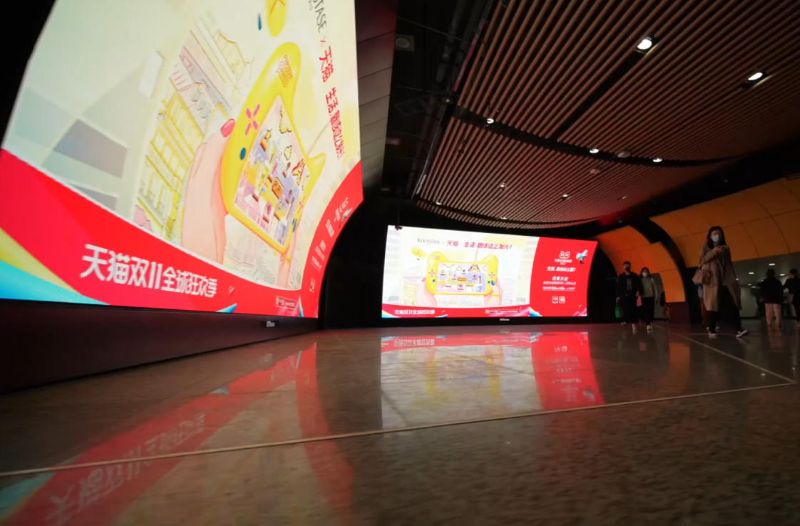
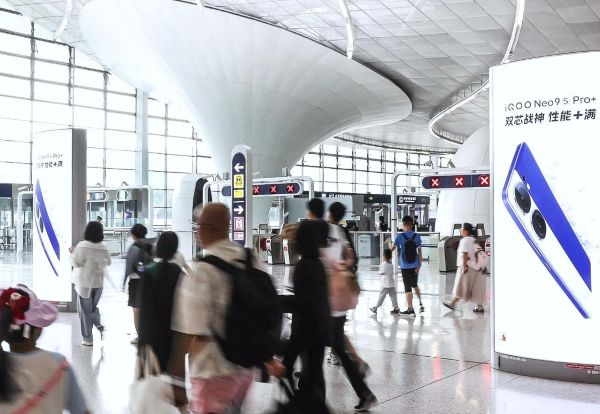
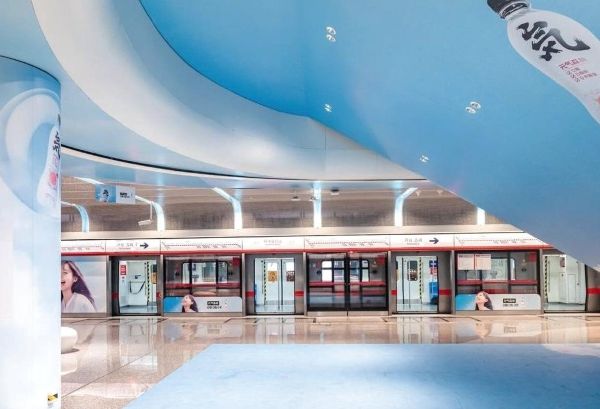
Platform posters and digital screens – placed at eye level along waiting areas.
Train wraps (interior & exterior) – full-car graphics that turn the train into a moving billboard.
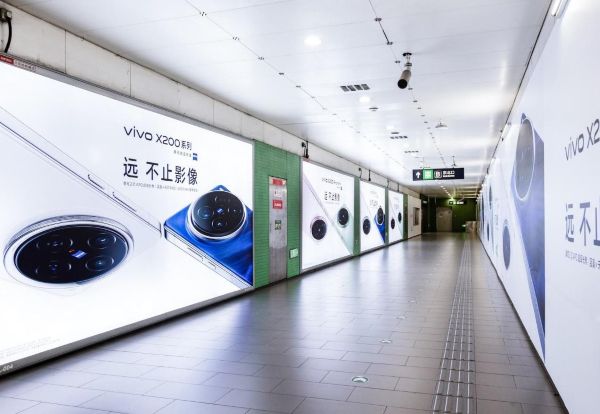
Station dominations – covering an entire station with one brand’s visuals.
Queue barriers – ads on stairs, escalators, and tunnel walls.
Digital interactive kiosks – touchscreens that engage riders with games or rewards.
Best Practices for Effective Metro Ads
Keep text minimal. Commuters glance quickly. Focus on a bold visual, your logo, and a short call-to-action (e.g., “Scan & Save 20%”).
Use high contrast colors. Dim station lighting means bright, simple designs work best.
Leverage repetition. Running the same creative across multiple stations or trains boosts memorability.
Include a QR code (with tracking) to bridge offline and online conversions.
Align with peak hours. If targeting office workers, focus on central business district stations during morning/evening rush.
Measuring Success
Track subway campaigns via:
Unique promo codes or short URLs
QR code scan data
Geofencing (digital OOH screens with beacon technology)
Post-campaign brand lift surveys
Final Thoughts
Subway advertising is not just for giant brands – small and local businesses can also benefit from route-specific buys (e.g., advertising on trains running through a targeted neighborhood). When executed well, metro ads build frequency, trust, and top-of-mind awareness.
Start small with a pilot on one busy line, measure results, then scale your underground campaign.