- Photos
- Specs
- Advantages
- Value
- Media Map
| Area:Nanjing | Type:airport | Frequency:120 |
| Address:Nanjing Lukou International Airport | Format:spam bot | Duration:10s |
| Location:T2 Domestic and International Departure Gates | Min Qty:38 | Operating Time:0-24o'clock |
| Size:86英寸 | Min Period:4weeks |
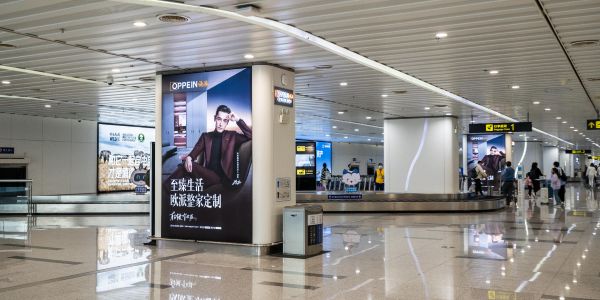
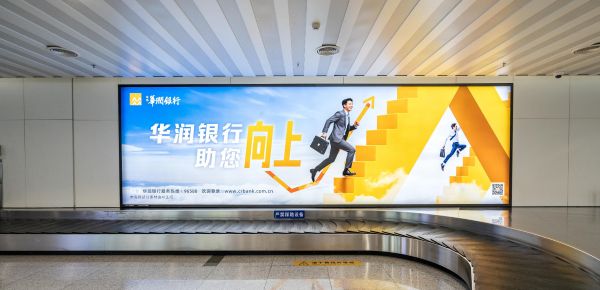
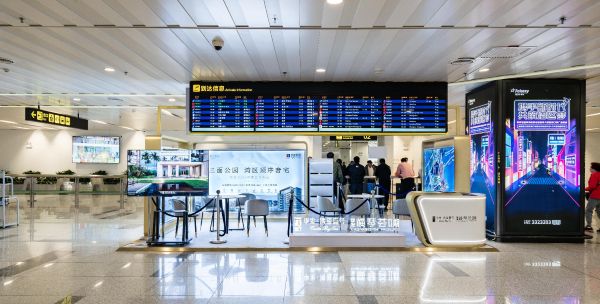
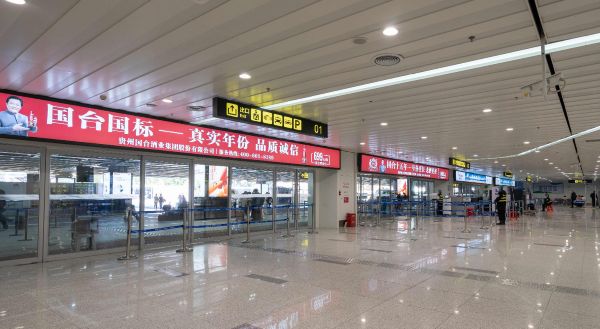
Located next to the boarding gates in the T2 domestic and international waiting areas, it is the last core area where passengers linger before boarding. Passengers naturally focus on the screens during long waiting times, with no visual obstructions and no environmental interference, forming close-range, high-dwell, passive forced-exposure audience interactions with high contact frequency. One set of media covers 100% of departing passengers without any traffic omission, making the placement more efficient and suitable for nationwide or regional concentrated brand exposure.
The boarding gate is the last stop for passengers before boarding. With an average waiting/queue time of 15-40 minutes, it creates a 'closed, compulsory viewing scenario.' Vertical screens face passengers directly, with an exposure rate exceeding 90%, effectively avoiding information interference and visual blind spots. 38 screens are arranged across domestic and international areas, playing synchronously to form an 'immersive visual matrix,' significantly enhancing ad impact and brand recognition, achieving full-area coverage.
The boarding gate is the last and only mandatory stop for passengers before boarding, with an average dwell time of about 30 minutes. With no competition from other information sources, it creates a 'closed attention field.' Screens cycle through 10-second visuals, with each device playing approximately 120 cycles per day. Multi-screen synchronous playback is supported, forming a 'visual matrix effect.' Long dwell times and high-frequency exposure allow the audience to fully receive ad messages, increasing recall by over 30%.
The screen network is a high-quality media asset combining stable traffic, high-net-worth audience segments, scalable reach, and long-term operation. The investment return cycle is short, cash flow is stable, and it suits both long-term brand campaigns and media resource integration investment needs.
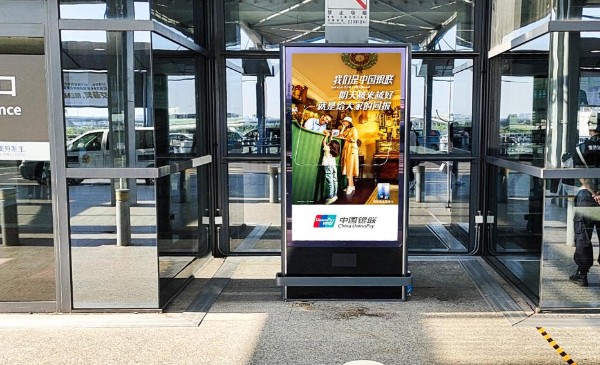
Next to the boarding gates of the domestic and international departure areas on the second floor of T2, adjacent to passenger seating and boarding queues, this area is a must-pass and must-see zone for departing passengers. It is the digital advertising media in the core area of the airport departure hall, characterized by contiguous placement, high-definition display, and mandatory exposure, covering 100% of departing passengers. It is the key channel for brands to reach high-end business and leisure travelers in East China.
The boarding gate area covers passengers of domestic and international flights, where tens of thousands of high-net-worth individuals converge daily. Their attention naturally shifts between the surrounding environment and flight information. The airport screen next to the boarding gate is precisely in this 'mandatory viewing' visual path, providing more immersive exposure and significantly enhancing memory retention through repeated brand reinforcement as passengers move through.
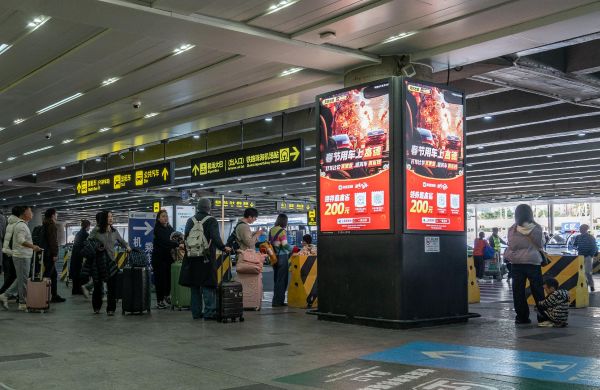
Near the escalators of domestic and international departure halls and arrival mezzanines are areas that passengers must pass through and where they spend extended periods. These spaces are wide, bright, and unobstructed, ensuring maximum visual impact of advertisements and covering 100% of passengers departing from T2 terminal. This enables precise reach to target audiences such as business travelers and tourists with high spending power, achieving efficient brand communication.
This media location is a high-quality asset with advantages in traffic, audience, efficiency, and cost. It can deliver rapid short-term results and stable long-term appreciation. For brands pursuing high returns and strong cash flow, strategic long-term placement during peak seasons can combine exposure with conversion.