- Photos
- Specs
- Advantages
- Value
- Media Map
| Area:Changsha | Type:airport | Frequency:0 |
| Address:Changsha Huanghua Airport | Format:Light box | Duration:0 |
| Location:T2 Domestic and International Departure Hall | Min Qty:3 | Operating Time:0-24o'clock |
| Size:3m×7m×2面=42㎡ | Min Period:year |
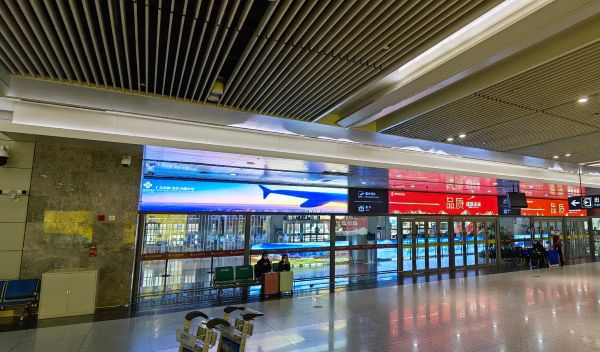
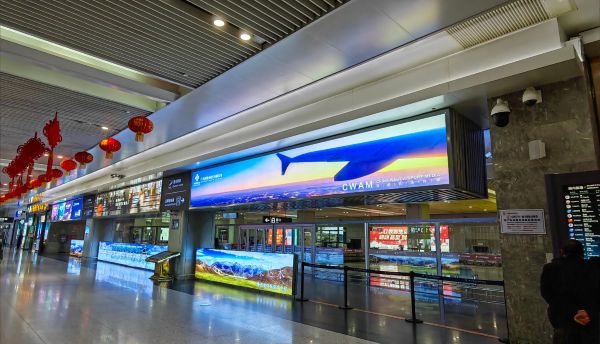
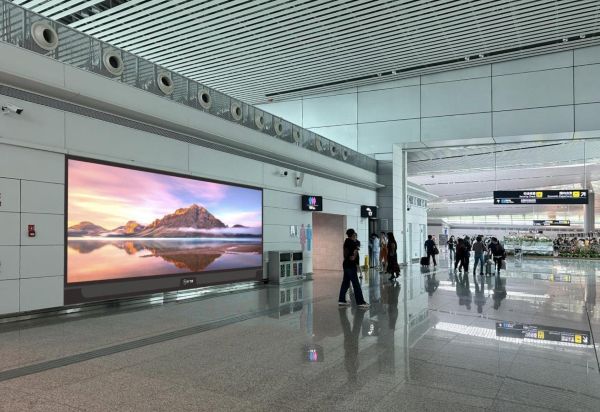
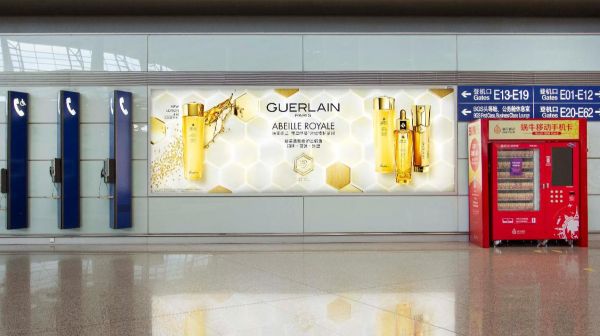
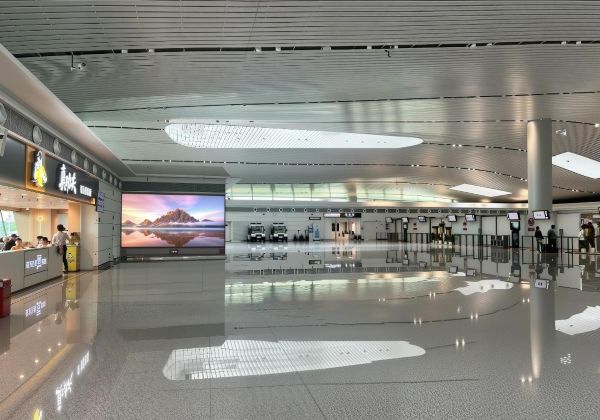
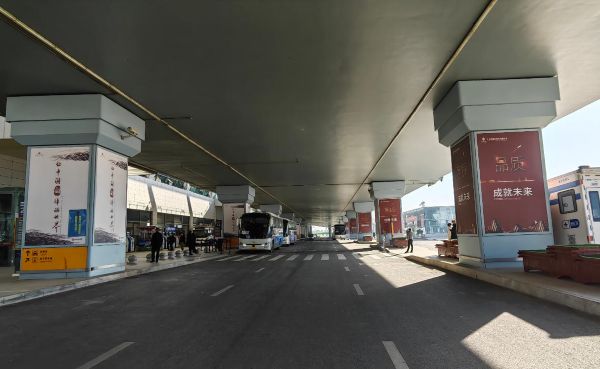
Located along the entire mandatory path of check-in, security, waiting, and boarding, passengers have no detours, no obstructions, ensuring mandatory exposure. Ads reach the entire area from check-in to the boarding gate, providing stable and efficient exposure, covering the full itinerary of departing passengers. This is the mainstream lightbox media matrix on the departure level of the airport, with high exposure, strong visual impact, and long dwell time. Attention is highly concentrated, significantly improving ad recall and acceptance.
Covering all passengers on domestic and international flights, it achieves 100% mandatory exposure, forming high-density visual focus areas. Passengers wait for an average of 30–60 minutes in a state of anticipation, with highly concentrated attention. Ad recall and conversion rates are significantly higher than corridor ads. Large format, high brightness, multi-form combinations of vertical, hanging, and wall-mounted displays are visible from a distance, with prominent visuals and strong brand information penetration. The brand image is presented completely and impressively, ensuring outstanding communication effects.
T2 domestic traffic exceeds 28 million passengers, with a daily average of over 76,000 passengers, covering all categories of travelers nationwide, including business trips. The audience base is large with wide regional coverage. Passengers must pass through the lightbox points from check-in to security, waiting, and boarding, ensuring mandatory exposure without any communication blind spots. The waiting hall is highly enclosed, with an average passenger stay of 25–40 minutes, no other media dividing attention, allowing full ad exposure and high recall.
T2's core high-altitude media covers both domestic and international departing passengers. It is the visual high point of the waiting area, providing unobstructed mandatory exposure. Hanging from the ceiling, it is unobstructed, has a wide field of view, and is 360° visible. Large-sized, high-altitude, double-sided displays provide strong visual impact, with both sides simultaneously publishing for double the exposure and high utilization.
The departure lounge is a semi-enclosed space with high efficiency in delivering information to passengers. Advertisements here are highly informative, released in long rows, with strong visual impact and clear recognition from a long distance. Hanging light boxes are the core high-altitude static media of the Central China Aviation hub, combining five core investment values: high reach, long memory, high conversion, strong endorsement, and broad coverage throughout the departure process. Long-term possession can form a media barrier.
International departure light boxes are an important window for brands to reach a global audience and expand cross-border markets. They can simultaneously cover domestic outbound and foreign inbound passengers, helping brands achieve both 'going out' and 'bringing in' in communication. Relying on the core passenger flow environment of the airport and the enclosed communication setting, they create core media value with high reach, strong exposure, premium audience, and high conversion.
With six core dimensions—traffic certainty, high-value audience, strong scene endorsement, high communication conversion, high cost performance, and resource scarcity—hanging layouts at eye level of passengers, along with high-definition backlit materials, make the visuals uniformly bright and color-accurate. In the spacious departure lounge, they form a three-dimensional visual focus, achieving hundreds of thousands of accurate exposures, greatly improving conversion efficiency, and leaving a deep impression of the brand in passengers' minds.
Thanks to its unique scene advantages, it has become a core carrier for brand communication. Its advantages are concentrated in four dimensions: passenger flow, visual impact, scene, and audience, combining both exposure efficiency and conversion potential. Accurately reaching the target audience ensures that advertising information directly reaches groups with consumption potential, maximizing the value of every exposure.