
- Photos
- Specs
- Advantages
- Value
- Media Map
| Area:Guangzhou | Type:airport | Frequency:480 |
| Address:Guangzhou Baiyun International Airport | Format:spam bot | Duration:7.5s |
| Location:T1 Arrival Area Exit | Min Qty:16 | Operating Time:0-24o'clock |
| Size:80寸 | Min Period:week |
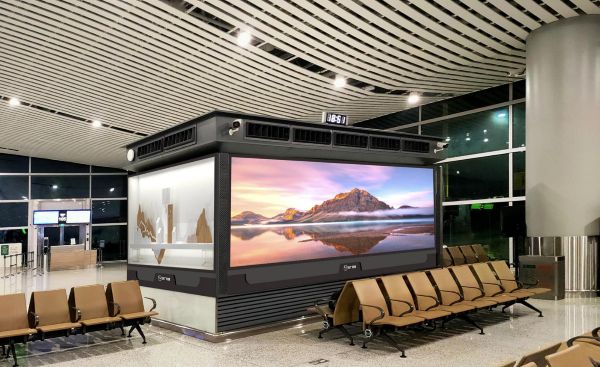
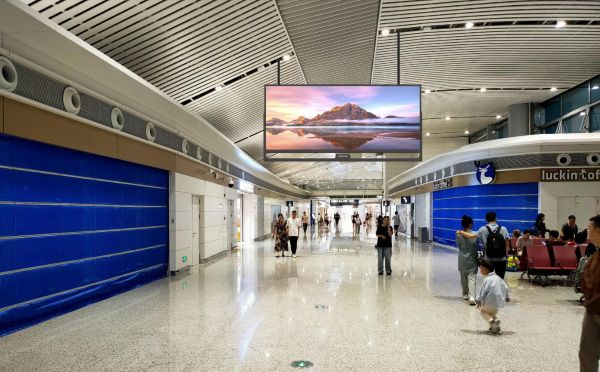
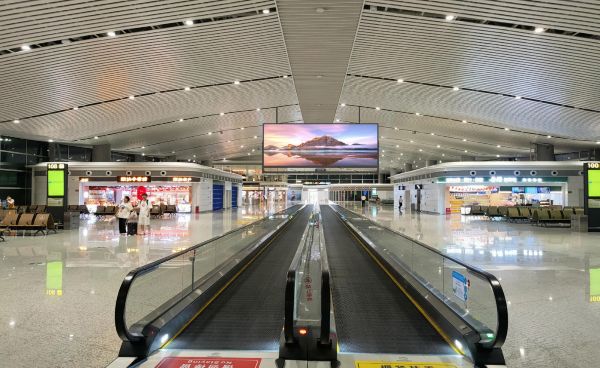
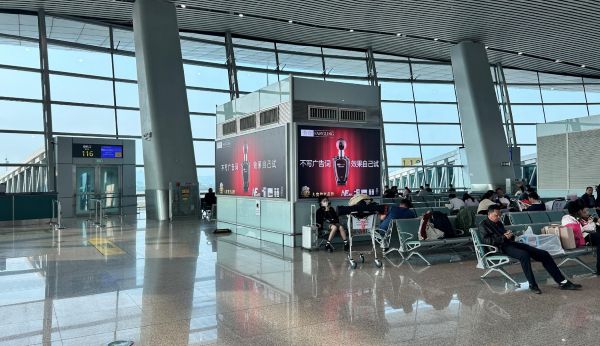
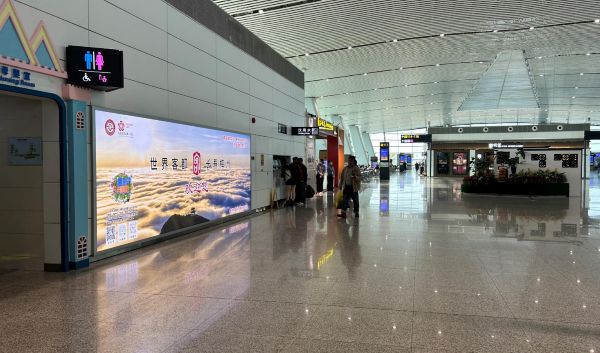
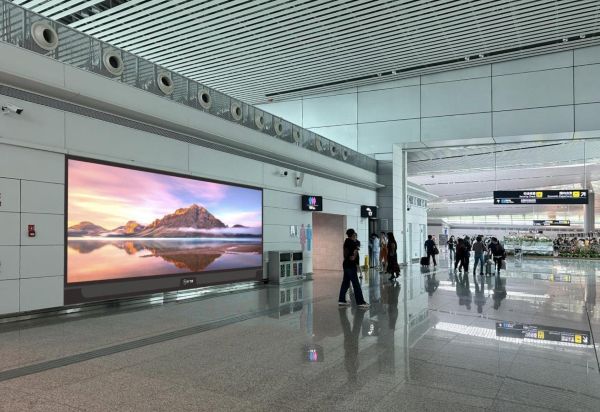
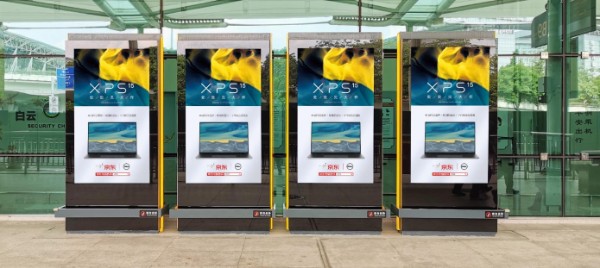
Located at the core traffic line of the T1 terminal arrivals exit, this area is a must-see visual spot for passengers before departing. With its four-screen setup in a row, high-density coverage, and high-frequency exposure as its core advantages, it accurately reaches the full passenger flow arriving in Guangzhou. It faces the main passage outside the area, ensuring that passengers must pass through this area after collecting their luggage, forming a mandatory visual focus. Advertising is repeatedly exposed 10–15 times, and brand recall is 2.1 times that of ordinary media.
Being located at the only domestic arrival exit with a daily passenger flow of about 80,000 and peak holiday flow exceeding 120,000, it offers no detours, no obstructions, and 100% mandatory exposure. Four screens combine to display integrated content repeatedly, creating a visual impact more than three times that of a single screen, significantly enhancing brand recall. The walking distance for passengers is 1–3 meters, with a stay or passage time of approximately 3–5 minutes, ensuring low interference, high focus, and complete reception of advertising information.
The four-screen integrated combination allows for full-screen linked animations and synchronized loop playback. Compared with single, scattered screens, the visual focus is stronger, memory points are deeper, and the recognition of brand visuals and their communication presence is greatly enhanced. Passengers slow down, pause, or wait while exiting; they are face-to-face with the screens within 3 meters, have sufficient time to watch, and the clean environment without cluttered ads ensures complete penetration of brand information, enhancing both favorability and recall.
As a premium media rooted in the airport's core scenario, its media advantages deeply align with passenger travel trajectories and brand communication needs. It can achieve synchronized linkage or combined display of the four screens, offering a full-screen presence with strong impact, while split-screen combinations can convey multi-dimensional information, with visual focus far exceeding single-screen media.
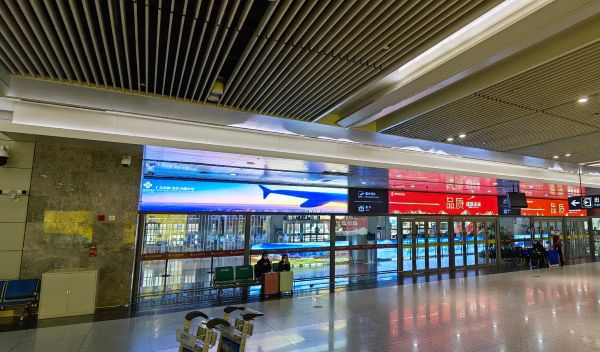
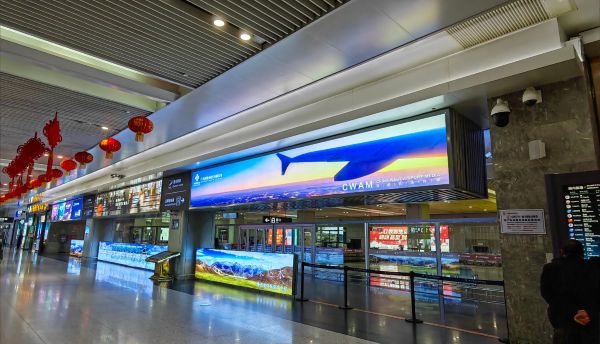
The media is not an isolated single screen but a quad-screen set composed of 16 80-inch high-definition displays. Arranged in a matrix, it stands on both sides of the exit passage that passengers must pass through, breaking the visual limitations of traditional single screens. Through multi-screen linkage and carousel-style screen rotation, it creates a visually overwhelming and impressive corridor. For passengers in a relaxed state, the high-brightness, high-definition dynamic images unintentionally capture their visual focus.
The 'quad-screen' carousel setup at the core throat position of the arrival exit is not only the last visual impression along the T1 arrival line but also serves as a gatekeeper for brand visual interception within the enclosed airport space. With exclusive display space amidst daily passenger traffic of tens of thousands, every passing passenger cannot avoid it, creating a compulsory viewing communication effect and forming an exclusive visual magnetism.
Multiple quad-screen layouts surround all exit areas to form an encircling media matrix, allowing passengers to see the same advertisement regardless of which exit they take. This repeated exposure deepens brand impression, achieving 'one-stop implementation, full-process brainwashing-style exposure.' The daily coverage of passenger flow is approximately 80,000, with holiday peaks surpassing 120,000. Passengers spend about 3-5 minutes in transit and stay, and the low-interference environment allows the advertisement information to fully penetrate, greatly enhancing brand memorability.
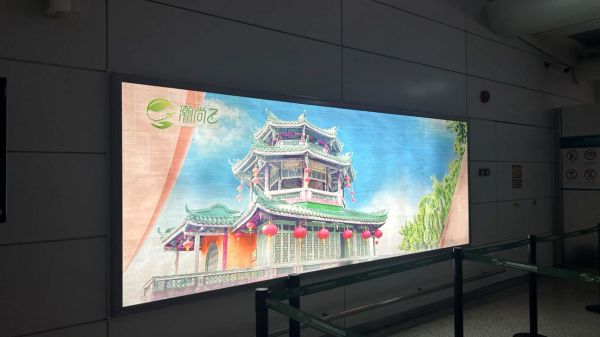
The carousel screens are positioned close to passenger movement paths, providing clear, eye-level viewing. With both visual and audio reinforcement, the completeness of information reception is high, directly elevating the brand's tone and credibility in advertising, achieving dual value enhancement of 'traffic and brand image.'