Korea Airport Advertising 2026: Why Incheon Is a Must-Buy for Global Brands
2026-07-09Tianci MediaViews:80
Highlights
If you are a brand manager or marketer looking to expand into the Asian market, you have probably faced the same headache—how do you actually reach high-value international travelers in a meaningful way? Digital ads get ignored, social media algorithms keep changing, and traditional out-of-home feels too scattered. That is exactly why Korea airport advertising has become one of the most talked-about channels in 2026. And at the center of it all is Incheon International Airport, one of the busiest and most prestigious aviation hubs in the world.
Incheon Airport Is Bigger Than You Think
Before we dive into the media options, let us talk about scale. Incheon International Airport handled 74.07 million passengers in 2025, making it the third-busiest airport globally. That is not just a number—it means millions of business executives, tourists, and high-spending shoppers passing through every single year. Transit passengers alone reached 8.04 million, which confirms Incheon’s role as a true Northeast Asian hub.
What makes this even more interesting is the recent policy shift. The South Korean government introduced a temporary visa-free policy for Chinese group tourists in late 2025, which is expected to bring in at least one million additional visitors. For brands targeting the Chinese outbound travel market, Korean airport advertising just became a lot more urgent.
The Media Formats That Actually Work
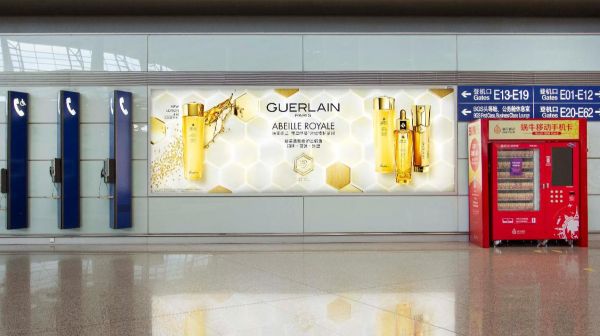
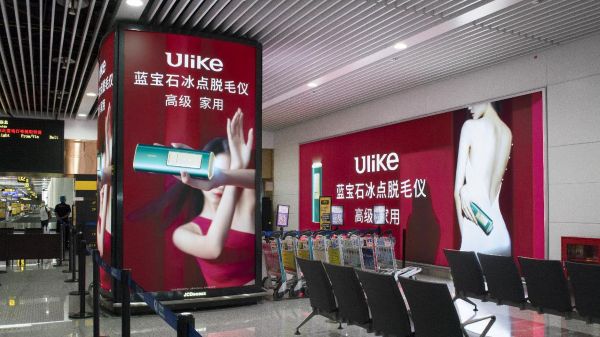
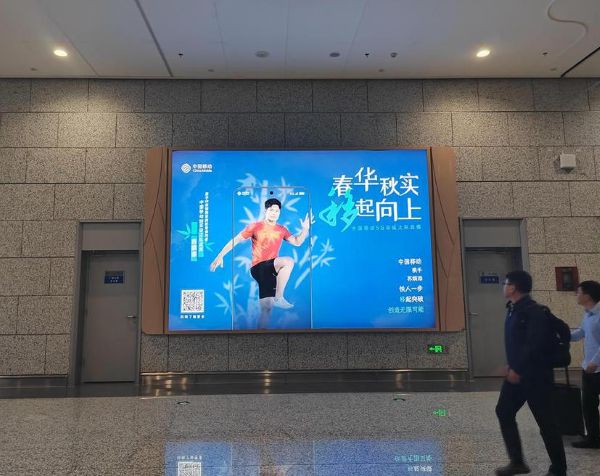
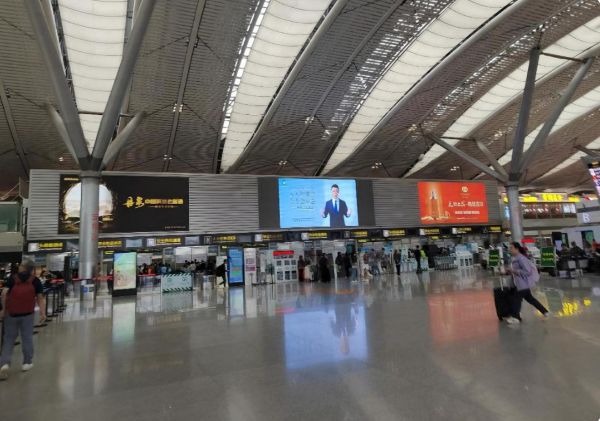
So what can you actually buy? Korean airport advertising offers a pretty impressive range of formats, and the digital options are where things get exciting.
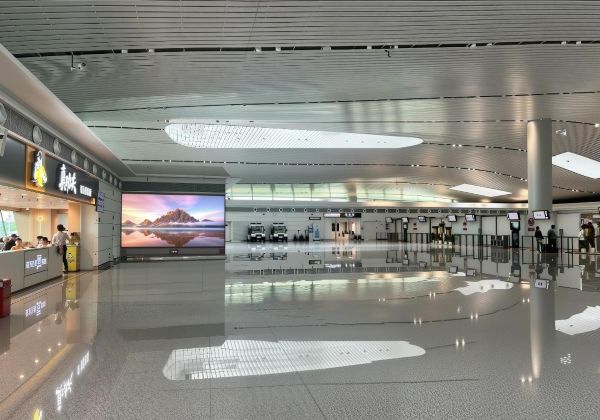
Twin Towers Digital Media – This is the crown jewel of Incheon’s ad inventory. Located in Terminal 1’s departure hall, two massive screens measuring 37 meters by 5 meters each create a 360-degree visual experience that covers most of the departure floor. Global professional services firm EY ran a brand campaign here, and Inspire Entertainment Resort also used this placement to reinforce its positioning as Korea’s leading leisure destination near the airport.
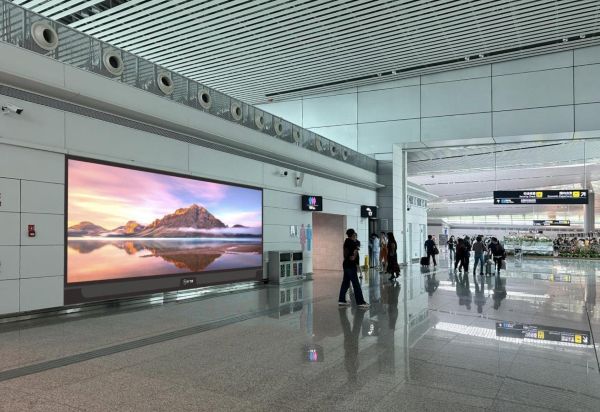
Panorama Media Art – If you want sheer size, this is it. Located in Terminal 2’s departure area, this giant LED screen measures 77.25 meters by 10.5 meters—one of the largest digital media installations inside any airport. Chanel used this screen for its BLEU DE CHANEL L’EXCLUSIF fragrance campaign, spanning multiple digital platforms across both terminals.
Duty-Free Zone and Arrival Area Screens – The Antler entrance in the duty-free area features synchronized LED panels measuring 15.4 meters by 4.5 meters. Lancôme launched a premium DOOH campaign here, leveraging the strategic placement above a major duty-free retail area to reach affluent travelers actively looking to shop. The arrival baggage claim area also has ten LED screens with 20 advertising faces, making it one of the most compelling viewing environments in the airport.
AREX Airport Railroad Advertising – This one is often overlooked but highly effective. The AREX train connects Incheon Airport to Seoul Station, and every arriving or departing passenger passes through this area. With 900 LCD screens running ads across trains and stations, the reach is essentially 100% for travelers moving between the airport and the city.
Who Is Already Advertising at Incheon?
The list of brands using Korean airport advertising reads like a who-is-who of global luxury and consumer goods. Chanel, Cartier, Bvlgari, Lancôme, Ballantine’s, Samsung, and Maison Margiela have all run major campaigns at Incheon in the past year.
Ballantine’s ran a dual-screen campaign in Terminal 1, using the 17-meter by 23-meter Giant LED in Millennium Hall (182 daily plays) plus two synchronized panels in the duty-free area (380 daily plays each). Solaire Resort deployed one of the most extensive campaigns, covering the Antler Center in T1, Premium Square displays in T2, and the Big Square digital screen in the duty-free zone.
What these brands all understand is simple: airport advertising is not just about reach—it is about context. Passengers at Incheon have dwell times ranging from 8 to 15 minutes in key zones, and their attention is far less分散 than in typical commercial environments. Ad reception rates exceed 85%, and brand recognition can increase by up to 50%.
How to Plan Your Korea Airport Advertising Campaign
If you are serious about Incheon Airport advertising, here is a practical framework to get started.
First, clarify your objective. Brand awareness and prestige? Go for the Twin Towers or Panorama Media Art. Direct conversion and product promotion? The arrival area LED screens or duty-free zone placements deliver better ROI. High-frequency exposure? The LED matrix at Gimpo or Jeju airports offers a more cost-effective option.
Second, think about DOOH as part of a bigger ecosystem. Digital out-of-home screens at Incheon can serve as a natural extension of your TikTok, WeChat, or Instagram campaigns. The visual impact of a 77-meter screen is hard to ignore, and travelers often share these experiences on social media, creating organic secondary exposure.
Third, timing matters. The visa-free policy window is creating a surge of Chinese travelers, and being one of the first brands they see upon arrival creates what marketers call the "primacy effect"—first impressions that stick. If your target audience includes Chinese tourists, now is the time to act.
Fourth, work with local experts. Airport advertising is complex. Media rates, placement availability, and creative specifications vary significantly across formats. CPM rates at Incheon range from $4.50 to $12.00 depending on format and location, with premium digital displays commanding the higher end. A specialized media partner can help you navigate these variables and avoid costly mistakes.
The Bottom Line
Korea airport advertising at Incheon International Airport is not just another media buy—it is a strategic investment in brand positioning. The combination of massive passenger volume, premium audience demographics, and world-class digital media infrastructure makes it one of the most effective channels for brands looking to establish or strengthen their presence in Asia.
As airports continue to evolve into lifestyle and retail destinations, premium OOH media is becoming an increasingly important platform for global brands. The brands that act now—whether through the iconic Twin Towers, the massive Panorama Media Art screen, or the high-engagement arrival area displays—will be the ones that travelers remember.
If you are ready to explore your options, check out our complete guide to airport media buying for more detailed rate comparisons and case studies. And if you want to talk strategy, reach out to our team—we have helped dozens of brands launch successful campaigns at Incheon and across Korea.