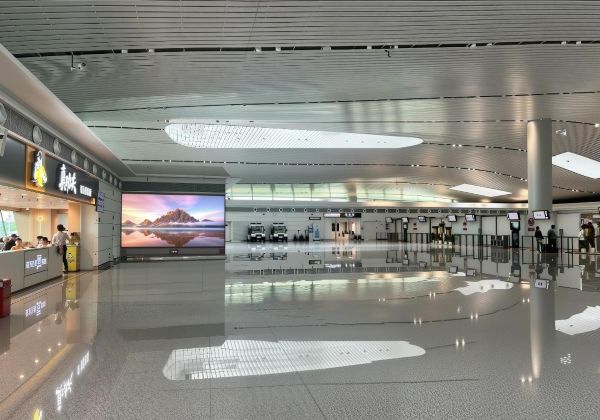
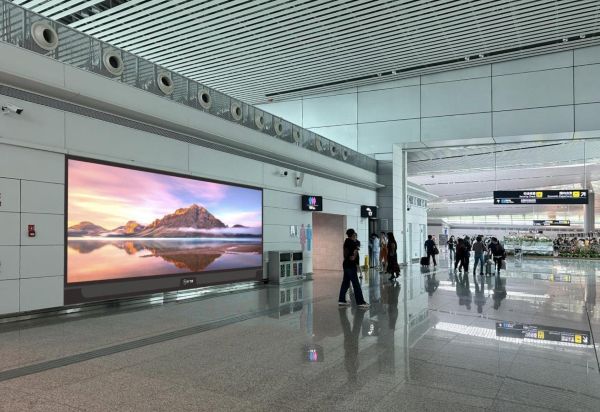
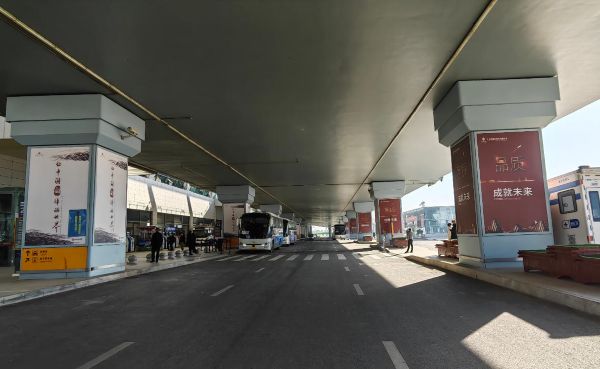
Light Box in the Sterile Area, 4th Floor, Departure, Terminal 3, Guiyang Longdongbao International Airport
Light up brilliant creativity, shine with boundless business opportunities

- Photos
- Specs
- Advantages
- Value
- Media Map
| Area:Guiyang | Type:airport | Frequency:0 |
| Address:Guiyang Longdongbao International Airport | Format:Light box | Duration:0 |
| Location:Departure Level 4 Isolation Zone of T3 | Min Qty:2 | Operating Time:0-24o'clock |
| Size:7.91(W)×6.88(H) | Min Period:year |
Its core advantage lies in the enclosed pre‑security‑check waiting‑lounge scenario within the security‑controlled area, featuring an unavoidable and high‑mandatory‑reach attribute. After passing security checks and entering the sterile area, passengers can only move within this restricted zone. All domestic‑departure passengers heading for respective boarding gates must pass through the 4th‑floor sterile‑area corridor. The media is embedded in passengers’ mandatory travel routes with no way to bypass it, meaning every outbound passenger becomes an advertising audience, delivering extremely high population coverage.
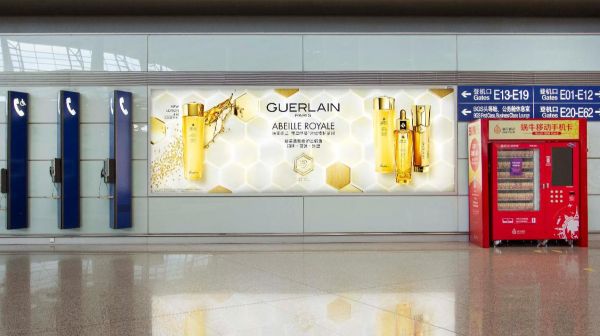
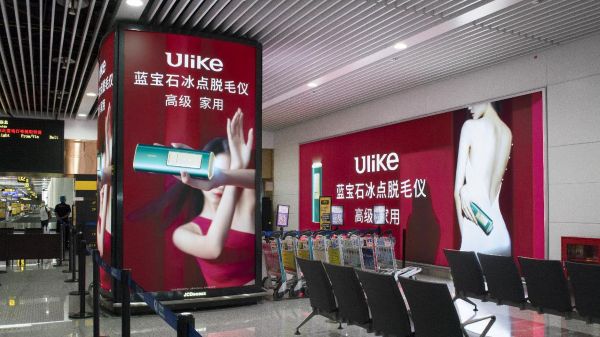
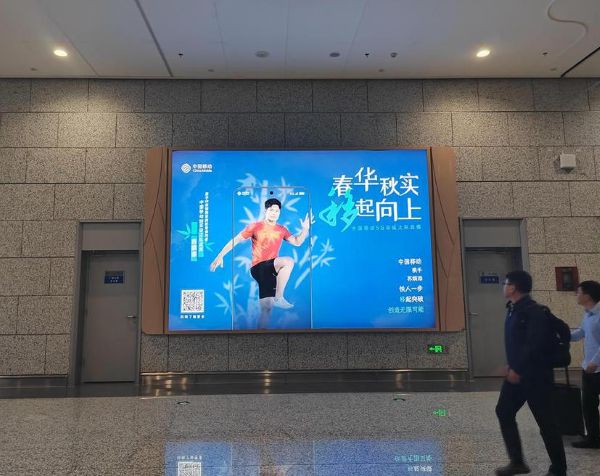
Light boxes are installed at the entrance of International Departures and the west end of Concourse 4, both of which constitute the sole mandatory routes for passengers heading to boarding gates. Passengers stay in the sterile area for an average of 15‑30 minutes for waiting for flights, rearranging luggage, visiting duty‑free shops or taking rests. They are in a low‑stress and high‑attention state. As an indoor enclosed space, the sterile area is free of external noise and interference from other outdoor advertisements. The light boxes become visual focal points, creating a "competition‑free advertising environment".
The airport achieves a peak daily passenger throughput of 90,888 person‑trips and an annual total volume exceeding 22.73 million person‑trips. Terminal 3 handles the major passenger flow, with over 30,000 passengers covered by the sterile area on a daily basis, forming a huge media‑reach base. Featuring large display areas, light boxes deliver clear visibility from long distances and effectively break through passengers’ "information fatigue". Multiple light boxes form a visual matrix at entrances to realize "repeated exposure plus scenario reinforcement", deepen brand recognition and boost brand communication efficiency by more than 30%.
Located within the airside departure area after security check, this medium covers the movement routes of domestic‑departure passengers who have cleared security, serving as indoor light‑box media that passengers must pass before boarding. It features various light‑box formats including wall‑mounted light boxes and partition light boxes, installed at key nodes such as the entrance to the airside area and concourse corridors. Adopting back‑lit light‑box technology, it delivers bright and transparent visuals. The terminal boasts an open overall space with few obstructions around the media, enabling passengers to clearly view the advertisement while in transit.
It supports flexible and diverse advertising placement options: precise placement on a single spot or combined multi‑spot campaigns, catering to varied communication needs such as short‑term brand marketing momentum building and long‑term brand image cultivation. Leveraging the enclosed, non‑bypassable exclusive waiting‑lounge scenario, high‑quality captive passenger flow, and premium exquisite display effect, these light boxes act as a core offline communication medium for building upscale brand image and tapping into the Southwest China market at Guiyang Airport Terminal 3.
The light boxes in the fourth‑floor airside area represent premium core media resources inside the security‑cleared domestic departure zone. Passengers spend an average of over 4.7 minutes here, delivering unavoidable forced exposure during the critical travel‑decision‑making window. The advertisement recall rate is 2.3 times higher than that of conventional waiting‑area media. Light‑box advertisements placed here generate strong visual compulsion, ensuring brand messages are fully absorbed by passengers prior to boarding.