Airport Sensory Branding: Multisensory Passenger Experience & Ambient Marketing
2026-08-23Tianci MediaViews:8
Highlights
Airports are among the few commercial environments where travelers willingly spend hours in a single location with nowhere to look except the architecture and the media in it. That extended exposure, combined with heightened emotional states (anticipation, fatigue, excitement, boredom), makes airports uniquely suited to sensory branding — the practice of orchestrating sight, sound, scent, and touch into a coherent brand experience.
1. Why Airports Are a Sensory Marketer's Paradise
Extended dwell time: 60~180 minutes is common; in some hubs, multi-hour layovers are the norm;
Captive but noncommittal attention: travelers are not actively shopping, but also not actively resisting ambient cues;
High emotional variance: pre-flight anxiety, layover boredom, family-reunion joy, business-trip focus — emotional volatility amplifies sensory memory encoding.
2. Sight: Beyond the LED Screen
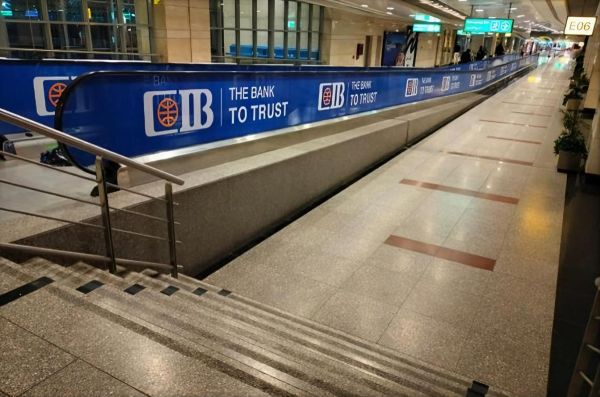
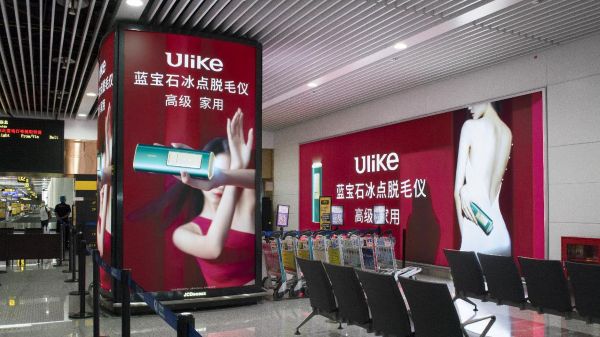
Pillar wraps that turn structural columns into 360° narrative surfaces;
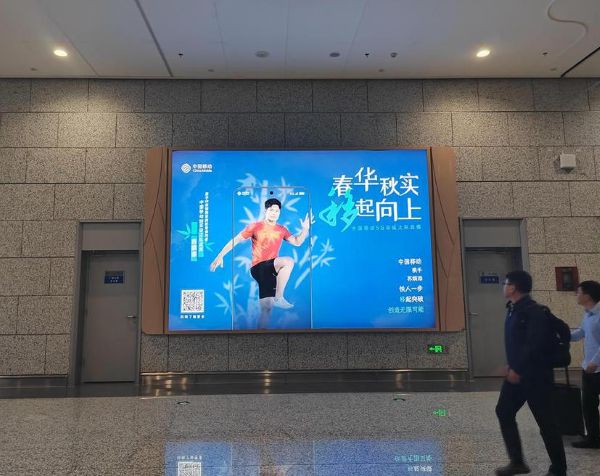
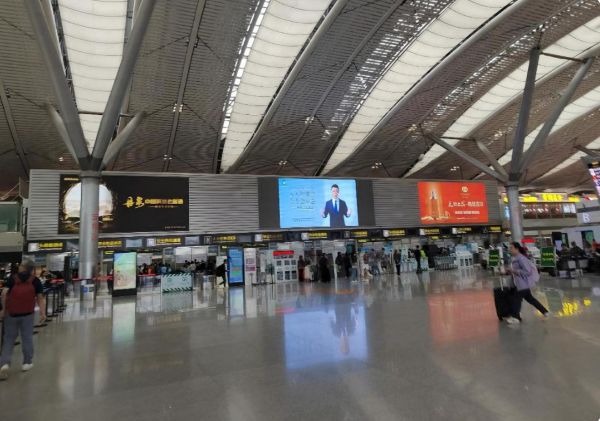
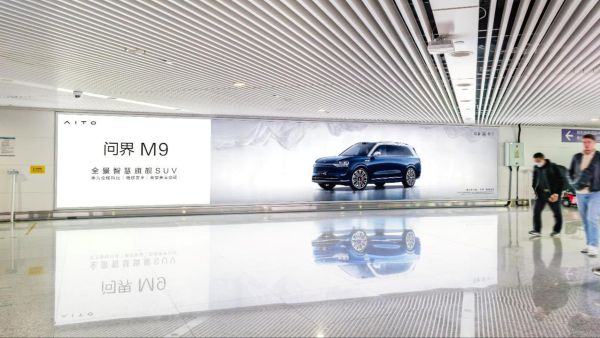
Floor-to-ceiling digital canvases integrated with terminal architecture;
Projection mapping on departure boards between flight announcements;
AR wayfinding where travelers point their phone cameras to unlock brand content.
3. Sound: Soundscapes That Travel With You
Branded sonic IDs: 3~5 second audio cues at gate areas;
Custom terminal mixes co-developed with airport authorities (slower tempo = perceived faster boarding);
Spot audio advertising at high-traffic moments;
Headphone-free directional speakers focused into a single seat pair.
4. Scent: The Most Underused Channel
Lounge signature scents for repeated brand familiarity;
Retail zone cues: warm vanilla or citrus notes in confectionery zones;
Scented print inserts in lounge publications;
Scent-diffused LED displays (coordinated scent pulse at scent-relevant moment).
Scent is the channel with the strongest memory encoding — paired-associative recall >65% after 30 days.
5. Touch: Tactile Wayfinding and Interaction
Interactive kiosks with haptics simulating product texture;
Tactile wayfinding strips integrated into flooring (also serving accessibility);
Heated seating zones branded to a product category;
Haptic-feedback advertising totems in retail zones.
6. Ambient Marketing Campaign Design
Auditory entry (sonic ID at curb or check-in)
Visual reinforcement (LED screen or pillar wrap at security)
Scent cue (in retail or lounge zones)
Tactile confirmation (kiosk interaction or retail display)
Post-trip follow-up (mobile retargeting using loyalty or location data)
Brands that orchestrate all five touchpoints often see 2~3x higher recall than single-channel campaigns.
7. Measurement and KPIs
Recall lift (7 and 30 days), dwell time in branded zones (anonymized sensor data), sentiment shift (post-trip surveys), sales lift in adjacent retail, earned media (travel influencer mentions and UGC).
Conclusion
The next generation of airport advertising leadership will come from marketers who can orchestrate all four senses in concert — and who can measure the long-tail impact on brand memory well after the flight has taken off.