
- Photos
- Specs
- Advantages
- Value
- Media Map
| Area:Guiyang | Type:airport | Frequency:2077 |
| Address:Guiyang Longdongbao International Airport | Format:led | Duration:10s |
| Location:Baggage Carousel 1+13, Terminal T3 | Min Qty:2 | Operating Time:8-23o'clock |
| Size:7m*2.8m =19.6㎡ | Min Period:week |
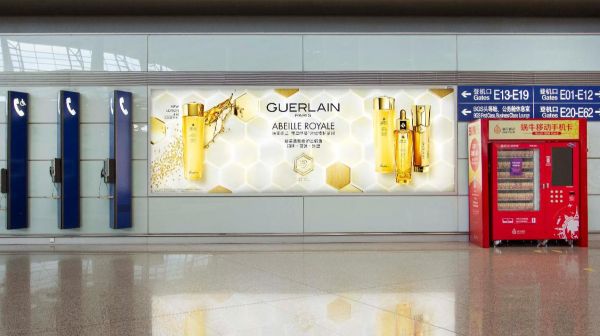
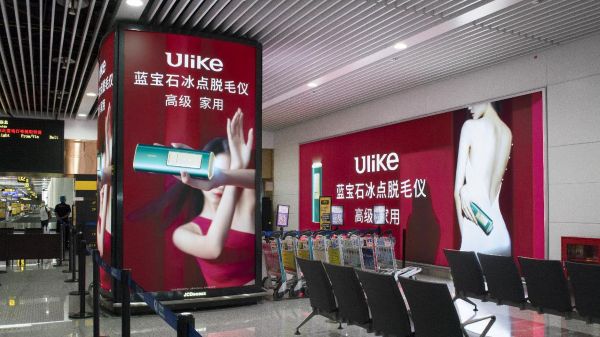
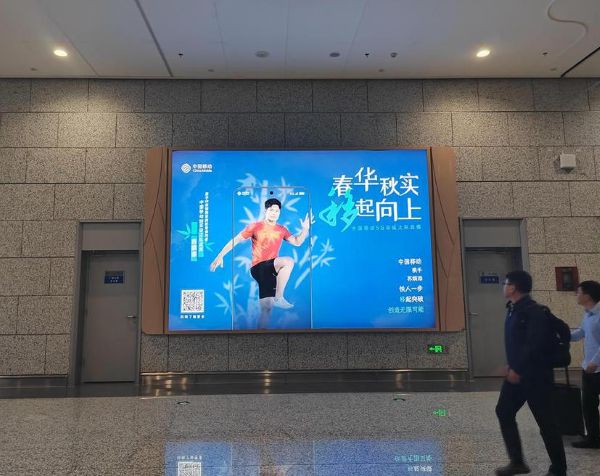
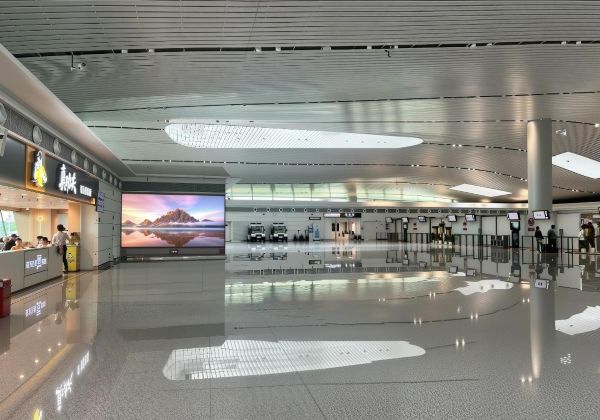
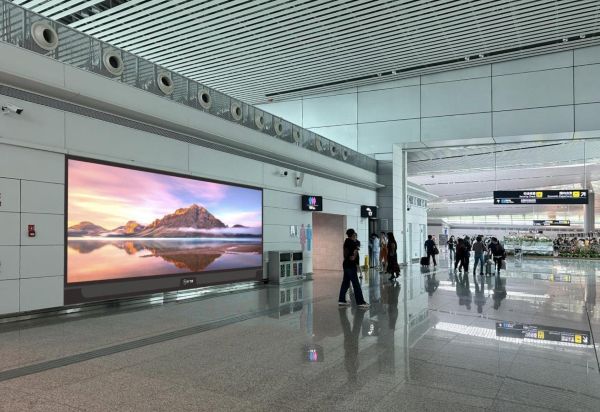
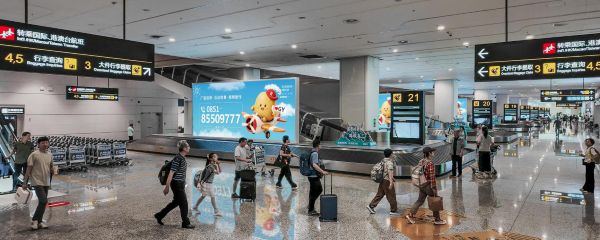
Positioned at prime visual spots above Baggage Carousels 1 and 13, directly facing passenger waiting areas with no obstructions from columns or walls. Equipped with indoor high‑definition LED modules, they deliver high brightness and wide viewing angles, adapting to the bright indoor lighting of the arrival hall. Content remains clearly visible to passengers whether standing or in motion. Capable of playing dynamic videos and high‑definition posters, these displays support both flight information notifications and commercial advertising, boasting better dynamic presentation effects than conventional static light boxes.
Reaching over 85,000 passengers on a daily basis, they achieve 100% coverage of domestic arrival passenger flow at Terminal 3. The average waiting time is 18 minutes, far exceeding the 3‑5‑minute dwell time for subway and bus advertisements. This builds a conversion loop of "passive viewing to active recall", lifting ad recall rate by 40% compared with static light‑box ads. Combined with dynamic content and high‑saturation colors, the displays strengthen brand memory retention and create an uninterrupted visual corridor, enabling immersive exposure for passengers throughout their journey from the baggage claim carousels to the exits.
Baggage claim is a mandatory passage for all arriving passengers, with an average stay of 5‑10 minutes. Passengers pay notably high attention to dynamic visuals here, yielding an effective ad exposure rate above 90%. It creates a 360‑degree wrap‑around display environment with zero visual blind spots. Passengers can clearly receive advertising content no matter which side of the carousel they stand on, bringing about a highly immersive experience where audiences are surrounded by screens and advertising information is readily perceived.
Leveraging the unique scenario where passengers are forced to stop at baggage claim with no detours available, network signals are unstable upon arrival, fragmented spare time is concentrated, and audiences pay close attention to large‑screen displays. This delivers far‑deeper ad exposure and stronger brand recall compared with corridor‑passage‑based media. Carousel 1 mostly serves passengers from daytime priority‑diverted flights, while Carousel 13 mainly handles passenger flows from high‑volume evening flights. Deploying both locations covers peak and off‑peak passenger traffic throughout the day.
LED screens not only serve commercial communication purposes but also act as a vital window for showcasing city images and delivering passenger‑service information. Boasting a three‑in‑one combination of scenario necessity, visual dominance and targeted audiences, they rank among the highest‑conversion‑potential premium advertising resources in the airport arrival zone. Supported by the triple communication logic of mandatory stop, mandatory viewing and mandatory memorization, they serve as an ideal carrier for brands to achieve high‑efficiency exposure, precise reach and emotional connection.
Located at the very front and far end of the T3 Baggage Claim Hall, these two sites occupy the two core passenger‑flow endpoints of the entire hall and represent scarce exclusive advertising positions. After flights land, carousels are assigned randomly by the system. The front‑most and rearmost carousels receive dedicated independent passenger flows without diversion competition from mid‑hall positions. They can accurately target passengers assigned to the first and last batches of flights, effectively filling exposure gaps caused by solely investing in mid‑hall carousels. Front‑and‑rear linkage creates closed‑loop communication across the hall, endowing these positions with extremely high commercial value.