
- Photos
- Specs
- Advantages
- Value
- Media Map
| Area:Hangzhou | Type:Metro | Frequency:0 |
| Address:Line 1/5 | Format:Light box | Duration:0 |
| Location:Line 1/5 | Min Qty:10 | Operating Time:0-24o'clock |
| Size:3m×1.5m | Min Period:4week |
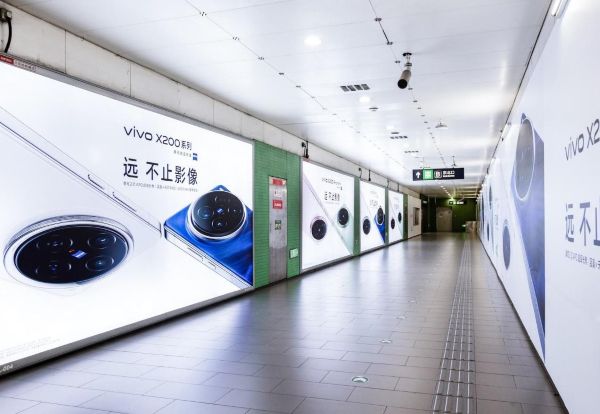
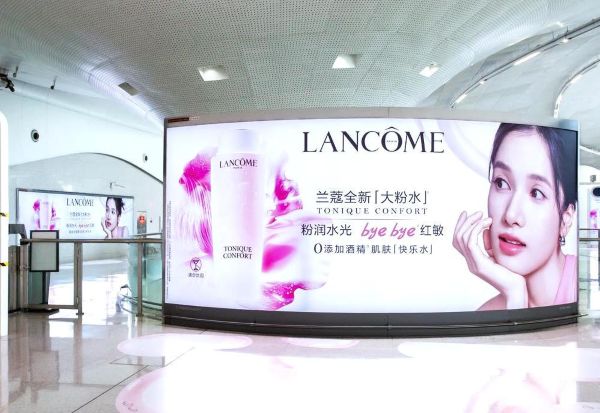
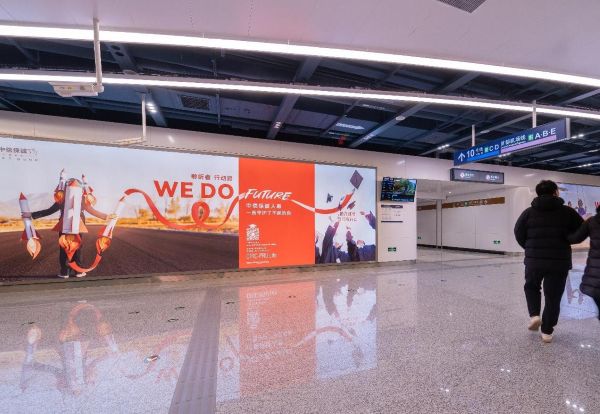
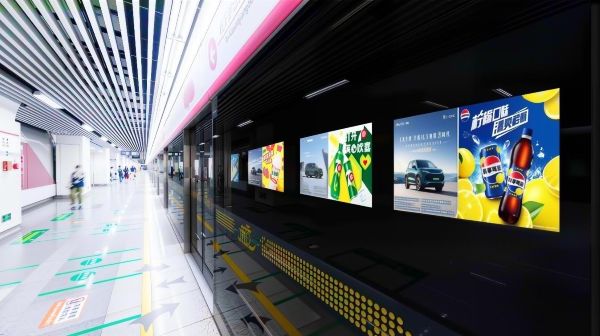
Grade A+ stations are generally located in key urban business districts, large residential areas or transport hubs, featuring heavy foot traffic and a stable audience base. Metro passengers usually follow fixed commuting routes. The 12-sheet light boxes enable repeated exposure to audiences during their rides, effectively deepening brand recognition. Within the enclosed metro environment, bright visuals on light boxes easily capture passengers’ attention, delivering a high advertising reach rate.
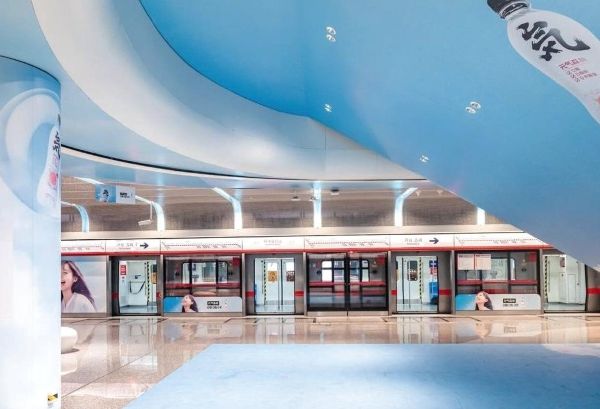
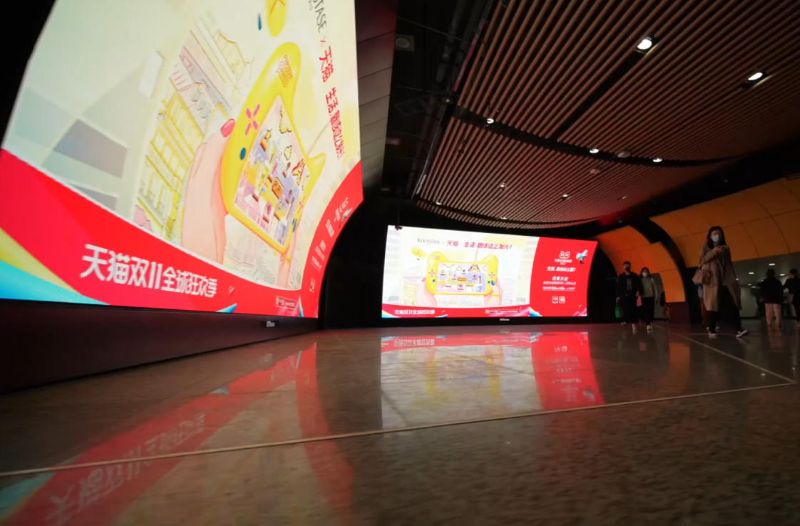
Passengers have fragmented time during their commutes. The 12-sheet light boxes are placed at core locations including platforms, station concourses and transfer corridors, hard to miss visually. The uniqueness of this physical setting means passengers cannot "click to close" or "swipe past quickly" as they do with online advertisements. The light boxes provide round-the-clock exposure, covering passenger flows from morning rush hours through the evening, creating compulsory audience engagement and effectively improving brand memory retention.
Passengers spend an average of 8 to 12 seconds waiting on platforms. Their eyes naturally drift toward light boxes along the track area, creating a "dynamic focusing" effect. Free of competition from other media, the light box advertisements achieve high repeated exposure frequency, with a brand memory retention rate far exceeding that of traditional out-of-home media. Simultaneous advertising deployment on Line 1 and Line 5 is available to realize communication via "dual-line coverage and station cluster layout". A single campaign can reach high-value crowds of over 2 million people on an average daily basis.
When passengers walk through passageways or wait for trains on platforms, they naturally receive advertising information displayed on light boxes. Their continuous arrangement creates an "information corridor", enabling passengers to encounter advertising content repeatedly as they move. Such high-frequency exposure helps deepen audience impressions of advertising messages and forms a complete communication chain of "visual perception - cognition - memory". It delivers both commercial value and public attributes, boosting public recognition of brands.
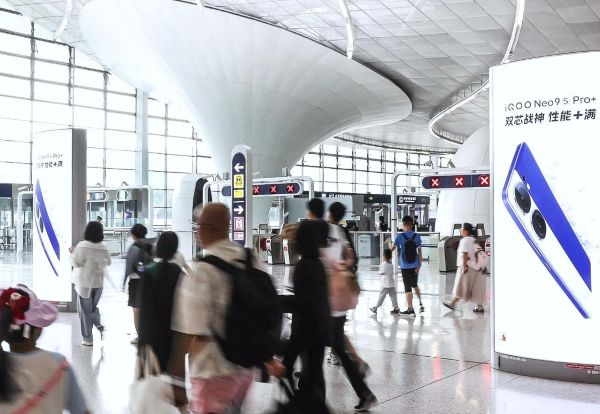
The advertising locations are precisely deployed in prime communication scenarios at all Class A+ stations, covering platform track sides, main concourse passageways, gate entrances and exits, areas beside escalators and interchange connecting corridors. All these spots lie on the mandatory travel routes for passengers entering/exiting stations, waiting for trains and making transfers. Passengers spend ample time here and commute frequently. Leveraging the enclosed, distraction-free communication environment of the metro, the advertisements achieve high-frequency, in-depth and compulsory brand memory penetration with stable and long-lasting communication effects.
The media panels are installed at a height matching the normal horizontal line of human sight, offering passengers an optimal viewing distance and comfortable visual experience. Options include single-panel independent placement and multi-panel combined sequential placement. Furthermore, deployed along two core urban arterial traffic networks, these advertisements integrate high-quality passenger flow, high-definition display effects and cost-effectiveness. They serve as a core communication medium for local Hangzhou brands to promote corporate image, penetrate regional markets and drive offline customer acquisition and conversion, and are widely applicable for long-term brand exposure and phased marketing campaigns across various industries.