- Photos
- Specs
- Advantages
- Value
- Media Map
| Area:Changsha | Type:airport | Frequency:0 |
| Address:Changsha Huanghua Airport | Format:Light box | Duration:0 |
| Location:T1 arrives at the reception hall | Min Qty:1 | Operating Time:0-24o'clock |
| Size:9.88米(W) ×0.93米(H) | Min Period:year |
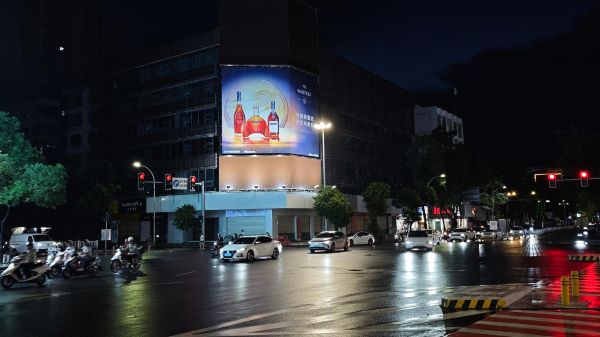
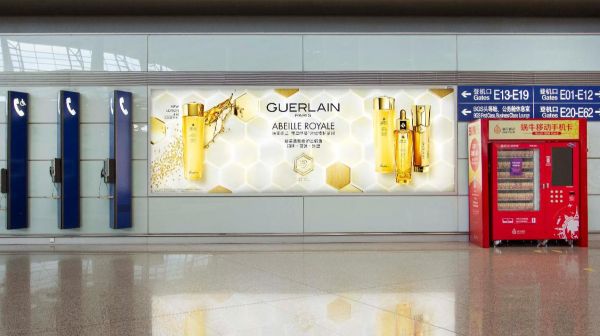
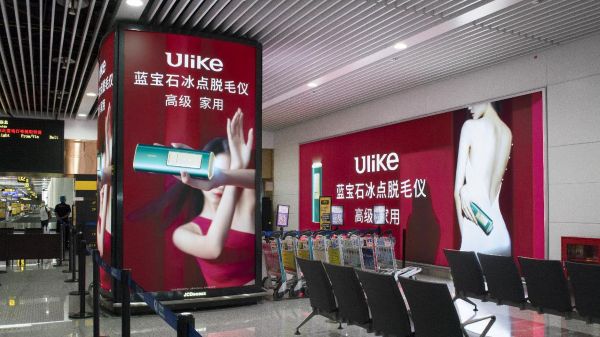
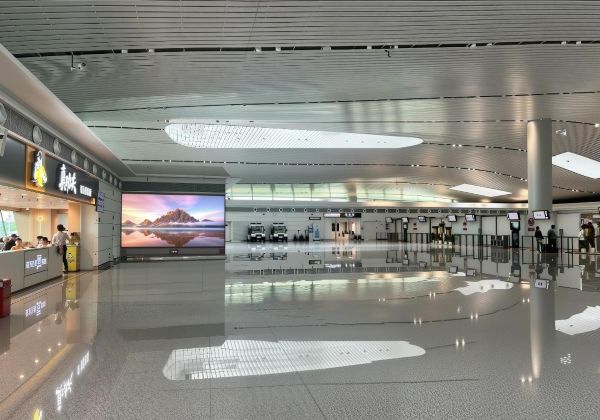
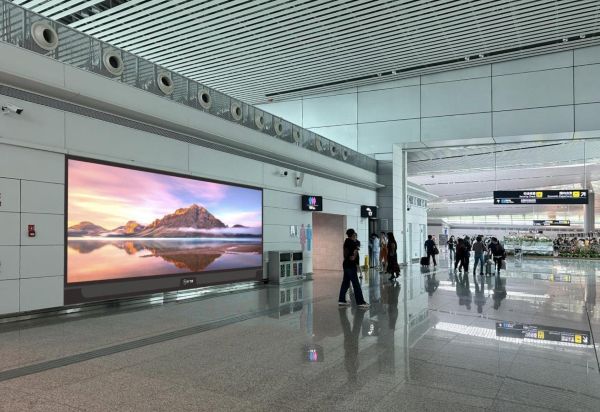
Located in the core area of the T1 domestic arrivals welcome hall, it is the mandatory route for all arriving passengers and people picking them up. There is an unobstructed view with no interfering advertisements. It is the only mandatory exit route for all incoming passengers and the people picking them up, ensuring 100% exposure without detours or blind spots. The arrivals hall is an enclosed indoor space with no outdoor clutter or competing media, allowing high purity of advertising information and concentrated attention, resulting in communication efficiency far exceeding that of open media.
The T1 arrivals have an average daily passenger flow of about 50,000, with an annual stable reach of over 18 million. As a central aviation hub, it offers a large and sustained exposure base. Passengers spend an average of 8–15 minutes retrieving luggage, waiting for companions, or picking up passengers. The repeated exposure of images significantly improves ad recall and conversion rates compared to fast-moving media. It enables brand exposure and mental occupancy at the core hub, forming a full-range communication closed loop when combined with online/offline channels.
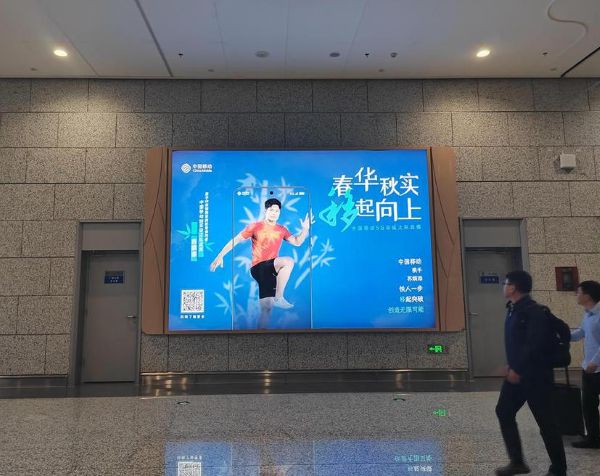
The media uses large internal backlit lightboxes, providing high-definition, bright images with stable display effects that are clearly visible from a distance. The overall visual impact is strong, the location is enclosed with concentrated movement lines, and there is no information interference. It can achieve 100% coverage of all T1 personnel, with sufficient dwell time for high-frequency exposure, high reach rates, strong recall, and conversion potential, as well as precise audience targeting, making it suitable for the promotion of all types of brands with outstanding promotional value.
In the open and unobstructed arrivals hall, the size and location make it a natural focal point for passengers’ sights. The retention rate of memory is over 55% higher than ordinary advertisements, allowing brand information to be naturally exposed to people while they wait.
This lightbox precisely reaches high-value audience units with lower contact costs and higher conversion efficiency, showing a significant advantage in return on investment. Relying on four core advantages—stable traffic, scarce scenarios, precise audience, and controllable costs—it combines short-term high conversion benefits with long-term asset appreciation potential. It is an excellent choice for brands planning to enter the Central China market and investing in aviation media.
The arrival lounge of T1 is the first stop for passengers arriving in Changsha. With its unique scenario advantages and precise audience reach, it has become the preferred medium for brands to establish a presence in aviation media and seize market opportunities. Its core advantages are concentrated in four dimensions: scenario, visuals, audience, and value. Every advantage aligns with the actual advertising needs of brands, highlighting the unique competitiveness of the lightbox.
The lightbox is highly aligned with the human line of sight. Passengers can get close and spend a long time in front of it. The advertising information is clear and easy to read, effectively enhancing brand attention and recall. The lightbox uses a double-sided independent display structure, covering traffic in both directions simultaneously, allowing a single location to achieve double exposure. Its resource utilization and communication effectiveness are significantly better than single-sided media.
This point is a core golden position on the arrival path, covering 100% of domestic arriving passengers. It combines strong exposure, high reach, and premium audience—three core communication values—creating mandatory exposure that passengers must see. Passengers naturally focus their vision on the visual impact during descent.