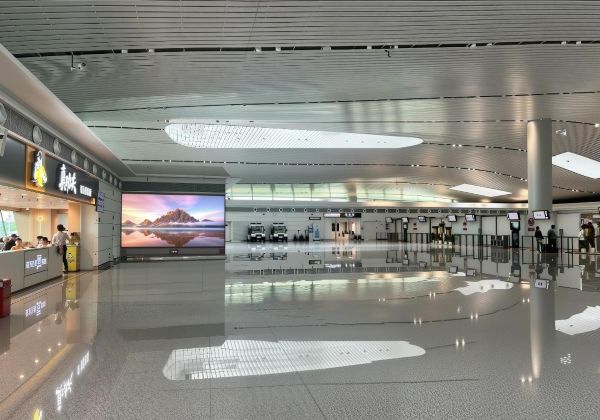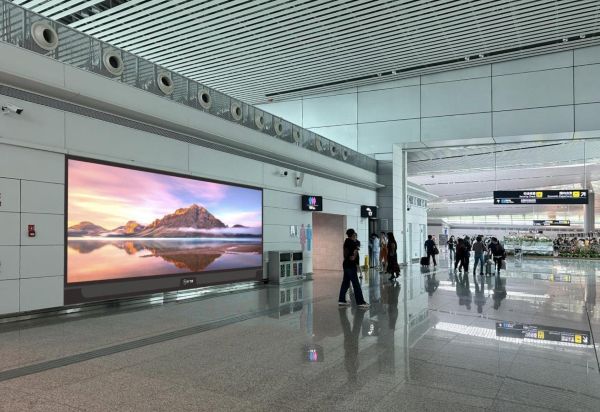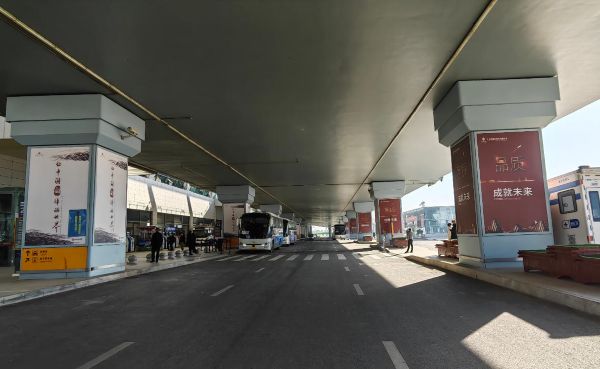
- Photos
- Specs
- Advantages
- Value
- Media Map
| Area:International | Type:airport | Frequency:273 |
| Address:Incheon International Airport, South Korea | Format:led | Duration:15s |
| Location:Train station platform waiting area | Min Qty:6 | Operating Time:0-24o'clock |
| Size:2.4 x 0.9 m | Min Period:month |
Located on B1 underground level at the train station platform waiting area, adjacent to the ticket gate and platform screen doors, it is an essential stop for all passengers taking the AREX Airport Express and the shuttle train between terminals. It also covers the shuttle train connection between terminals T1/T2. With a daily passenger flow of over 100,000 and connecting the airport with downtown Seoul via the AREX Airport Express, it serves over 15 million passengers annually, forming two core transportation flows.
As the only waiting space for passengers, the line of sight is at the same height as the platform seats and standing areas, ensuring mandatory visibility without obstruction or interference. During a single passenger journey, there are at least 2–3 touchpoints: ticket purchase → waiting → boarding, enhancing memory and increasing brand awareness. Passengers are in a relaxed waiting state, making them highly receptive to advertisements, creating a full-chain communication loop and strengthening overall brand impression.
Passengers typically stay for an average of 5–8 minutes, far exceeding ordinary outdoor media, which increases effective ad reading rates by 40% and enables in-depth information reach. The primary audience is business travelers and high-end tourists, aged 25–55, with high education, high spending power, and strong brand decision-making influence. Together with other media within the terminal, it forms a full-chain communication loop, reinforcing overall brand impression.
As a key transfer point in the full process of a passenger's journey (“departure → transit → arrival”), combined with the T2 departure area’s landside center LED and the arrival baggage claim screens, it creates a full-chain communication loop, strengthening overall brand impression, forming deep memory, and boosting effective reading rate by 40%.
As a crucial window for travelers to access airport railway services, the waiting area LED is not just a simple display medium, but a concrete embodiment of Incheon Airport's service philosophy of 'efficient, convenient, and considerate.' The LED provides a unique immersive experience. During the 3-5 minute average waiting interval between train arrivals, travelers' gaze has nowhere to stray, leveraging their highly focused attention while waiting, resulting in extremely high retention of the information conveyed by the advertisement.
This LED media serves as an efficient digital touchpoint in the core area of Incheon Airport's transportation hub, covering both the shuttle train between terminals and the airport express line passenger networks. With its advantages of core hub location, dual-track passenger coverage, and mandatory viewing during pauses, it becomes a key brand communication node connecting air travel and urban transportation, particularly suitable for brand marketing activities that need to reach both airline passengers and urban high-end consumers simultaneously.
The waiting area forms a relatively enclosed communication environment, making airport LEDs one of the main channels for travelers to access information. The ad reach is 300% higher compared to ordinary media, and travelers' attention is relatively concentrated while waiting for the train, making LED dynamic content more likely to attract active viewing, with interaction rates 40% higher than other scenes, reinforcing brand memory depth.
The media offers four core values: dual-track passenger coverage, mandatory viewing during pauses, high-frequency touchpoints, accurate audience targeting, full-time high-frequency exposure, and stable long-term returns, making it an efficient communication touchpoint for international brands in the South Korean market and an effective investment platform connecting global travelers with the local Korean market.