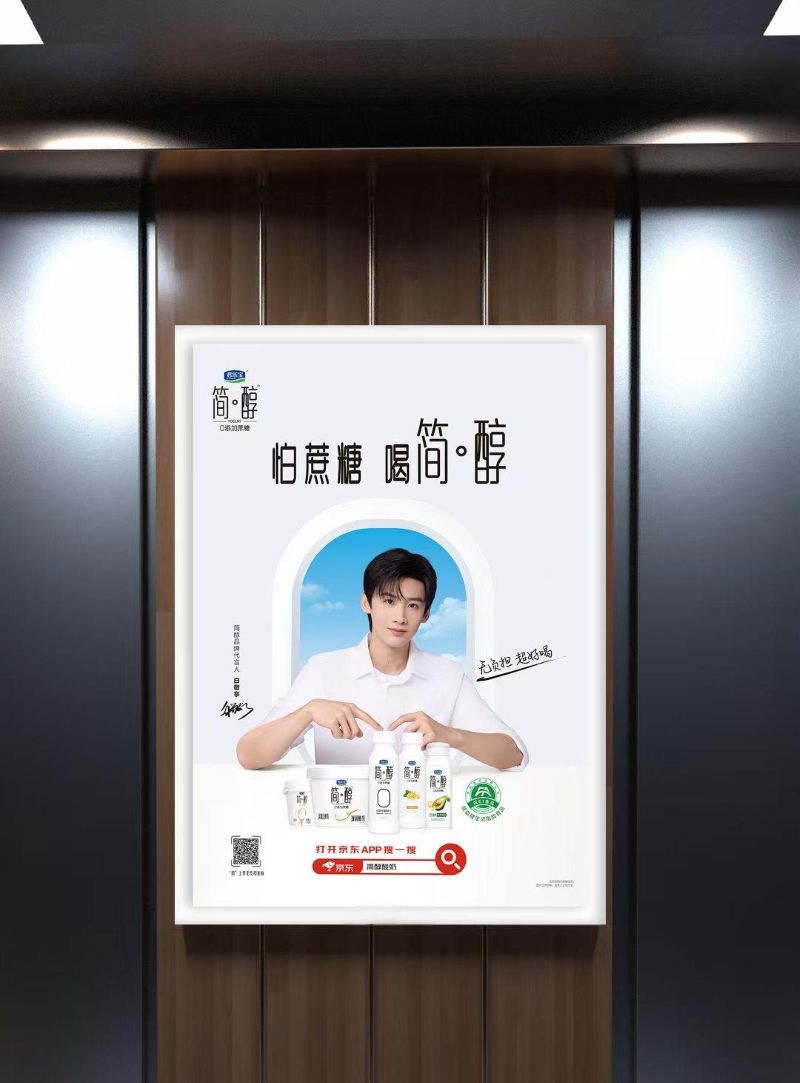

- Photos
- Specs
- Advantages
- Value
- Media Map
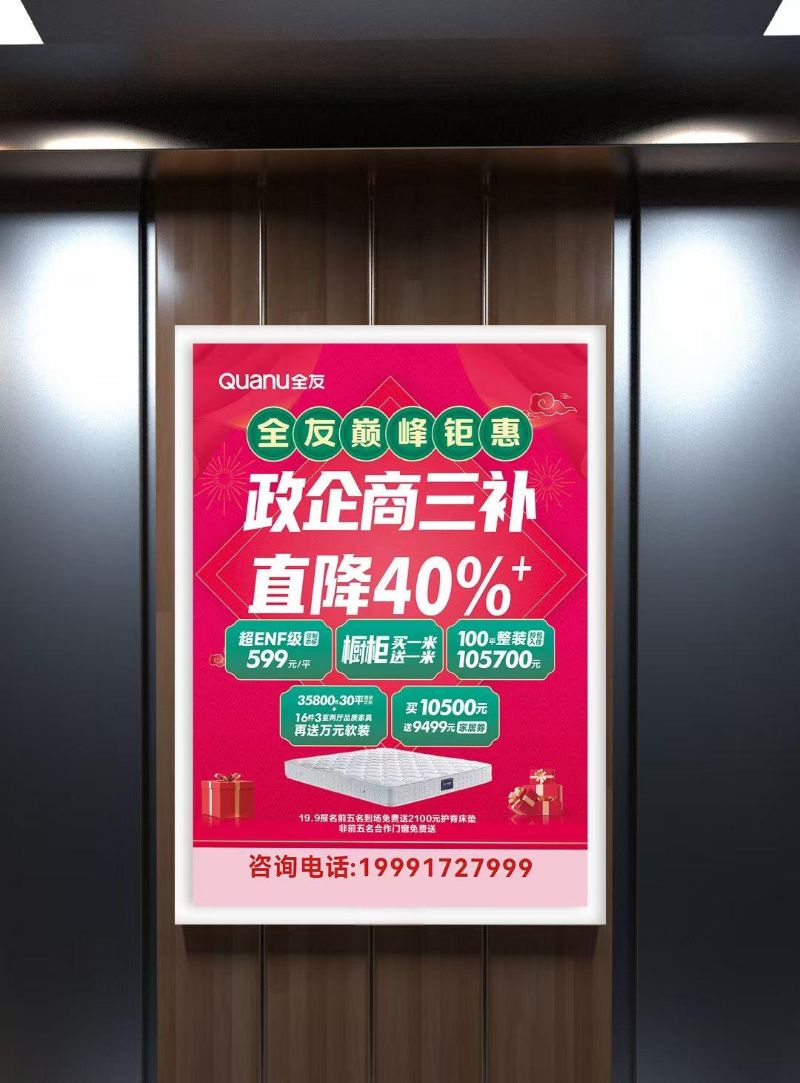
| Area:Chengdu | Type:Elevator | Frequency:0 |
| Address:No. 52, Donghong Road, Chenghua District | Format:framework | Duration:0 |
| Location:The Upper East Side Family | Min Qty:1 | Operating Time:0-24o'clock |
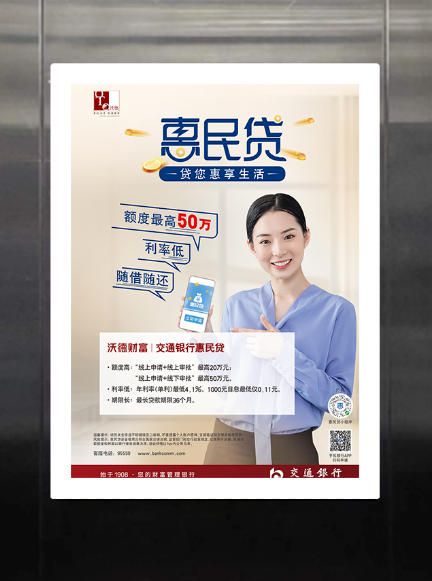
| Size:450mm*600mm | Min Period:week |
Shangdong Shijia is a mature high-end residential community in Chenghua District, primarily inhabited by middle- to high-income families who have strong purchasing intent and decision-making power. As an essential daily space, elevator frames can reach this stable and affluent target audience frequently and without interference, making them especially suitable for categories related to family life, such as education, home furnishing, health, fresh food, and parenting.
The frames become visual focal points, creating a dual effect of passive viewing and active attention, effectively enhancing brand recognition and information retention, achieving deep penetration. Unlike the noisy environment of big outdoor or digital screens, elevators have only 1–2 frame ad positions, with no competitor clutter or dynamic distractions. The visuals are simple and clear, ensuring complete communication of ad content, greatly improving communication efficiency and professionalism.
The core media advantages of elevator frame advertising in Shangdong Shijia Community = precise family audience × high-frequency mandatory exposure × low-cost flexible placement × geographic synergy potential. Elevator frames precisely embed brand messages into residents’ daily routines, subtly building trust and preference. By occupying elevators—a space all urban residents must pass through—these ads possess four key attributes: mainstream audience, must-pass location, high frequency, and low interference. The 2-square-meter enclosed space naturally forms an advertising focal area.
The community is located in the mature residential circle of Wanniangchang, Chenghua District, adjacent to Metro Line 4, CapitaMall, and several schools. Although its own scale is limited, it can serve as a key node for regional grid-based marketing. Brands can quickly replicate the model in neighboring communities, creating a synergy effect and amplifying overall communication impact.
The community residents are predominantly middle- to high-income groups with a higher cultural level and strong purchasing power. The area around the community has numerous schools and shopping centers, with high foot traffic, providing a broad audience base for advertisements. This advertising method features strong relevance, high visual impact, and frequent repeated exposure. When residents use the elevator, the small space makes the advertisement the only thing that catches their eye, leading to mandatory reading and an effective reach rate of over 95%.
With four core advantages—mandatory exposure, precise audience targeting, 24/7 display, and high cost-effectiveness—it has become an excellent choice for mid- to high-end brands to penetrate the community market. Its 95% effective reach rate and continuous 24-hour exposure help brands efficiently reach their target audience, enhance brand awareness, and drive sales conversion. Every frame serves as an exclusive channel for brands to reach a high-quality audience. Its value lies not in the breadth of coverage but in the precision and depth of reach, which is exactly the marketing focus most needed by household consumer brands.
The true value of these frames lies in building a bridge of communication between brands and residents in a closed and high-frequency living environment. In communities like Shangdong Shijia, frames are no longer just simple advertising carriers; they become a link connecting family needs with brand services, and their marketing effectiveness far surpasses that of conventional media in ordinary communities.
With scene adaptability and a pure audience base, it becomes an investment choice that balances cost-effectiveness and conversion power. As the core information carrier in elevator spaces, it aligns with the quality tone of low-density apartments in the community while accurately reaching middle- to high-income families. Its investment value lies not only in exposure volume but also in the full-chain effectiveness of 'precise reach—memory retention—consumer conversion.'