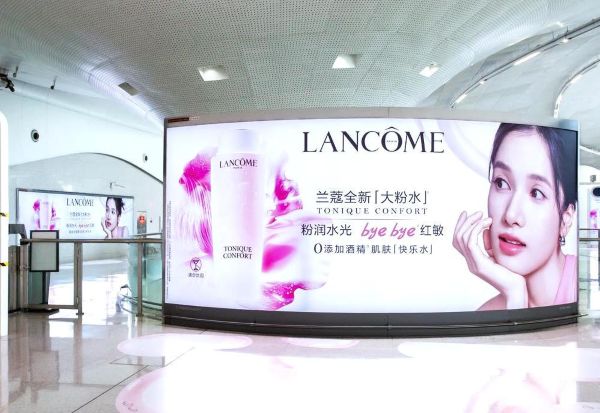
How do you view subway advertising quotes? From lightboxes to screen doors, understand the cost structure in one article
2026-02-24Tianci MediaViews:144
Highlights
The subway advertising quotation varies greatly depending on the city, form, and location. This article elaborates on the cost ranges of mainstream forms such as twelve lightboxes, brand channels, and screen door stickers, deeply analyzes the five core factors that affect prices, and provides a scientific method for evaluating quotations. Tianci Media, a professional subway advertising placement company, helps you make efficient decisions and avoid pitfalls!
Every day, millions of urban commuters shuttle between subway stations, forming a large and high-quality audience. For brands, subway advertising is the golden medium to reach urban white-collar workers, business people, and young consumers.
However, when advertisers first come into contact with subway advertisements, the most common question they ask is: What is the actual price for subway advertising? Why do some lightboxes only cost a few thousand a month, while others cost hundreds of thousands? What secrets are hidden behind the numbers on the quotation?
This article will thoroughly break down the cost structure of subway advertising for you, transforming you from a novice to a knowledgeable decision-maker.
1、 Why is subway advertising worth investing in?
Before discussing prices, it is necessary to first understand the unique value of subway advertising.
Massive passenger flow base: The daily average passenger flow of subways in first tier cities can easily reach millions or even tens of millions, which means that your advertisement can be seen by tens of thousands of people every day.
Forced exposure in enclosed spaces: Passengers stay in station halls, passages, and carriages for a longer period of time and are in a relatively boring state, making advertising information easier to notice and remember.
High value audience coverage: Subway passengers are mainly urban white-collar workers, young people, and business people, with high purchasing power and brand acceptance, making them an ideal audience for many brands.
Flexible advertising formats: from static lightboxes to dynamic videos, from brand channels to creative package stations, subway advertising provides rich creative space.

2、 The main forms and price ranges of subway advertising
The subway advertising quotation first depends on the advertising form you choose. The following is the price reference range for mainstream forms in 2026 (taking core stations in first tier cities as an example).
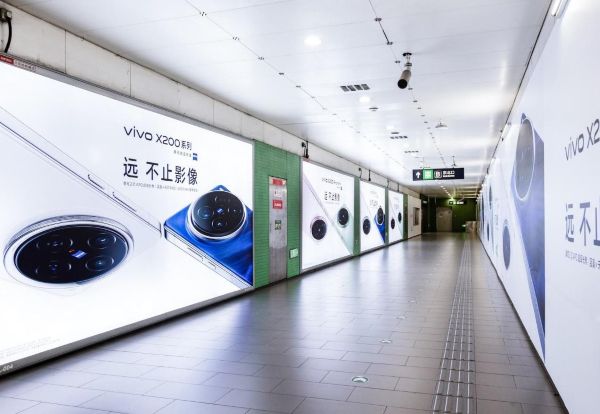
1. Twelve lightbox advertisements
This is the most common form of subway advertising, located on the walls of platforms and concourses, with a standard size of approximately 3 meters by 1.5 meters. The screen is static, illuminated by lights, and visible 24 hours a day.
Price range: The monthly fee for a single lightbox is between 10000 and 50000 yuan. Core stations and transfer stations can cost up to 50000 to 100000 yuan; For non core stations or suburban routes, the cost can be as low as several thousand yuan.
2. Brand channel/wall sticker advertisement
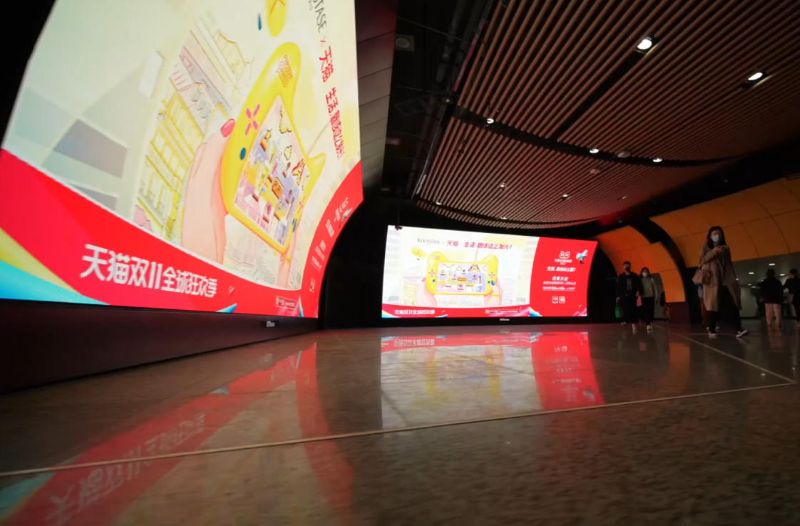
Cover the walls or pillars on both sides of the transfer passage to create a continuous visual impact. Usually charged based on channel length or area.
Price range: The full monthly fee for a core transfer channel ranges from 200000 to 800000 yuan, and some super stations can reach millions of yuan. Half pack or partial wall stickers will be quoted based on specific area.
3. Screen door stickers/window stickers
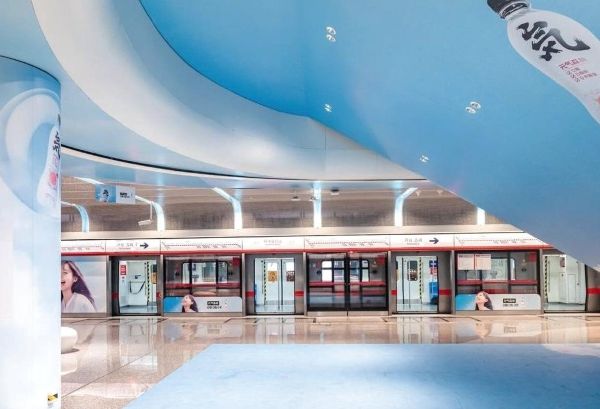
Advertisements posted on platform screen doors or train windows, parallel to the line of sight of waiting passengers. Charged by "group" (all platform screen doors) or "column" (windows of a train).
Price range: The monthly fee for pasting a single set of platform screen doors is between 50000 and 200000 yuan; The train window stickers are charged based on the coverage of the line, and the price is higher.
4. LED large screen/digital media
Electronic screens located in station halls, passages, and transfer halls display dynamic video advertisements. Charged by playback frequency, time period, or cycle.
Price range: The monthly fee for a single LED large screen ranges from 100000 to 500000 yuan, and the core position can reach millions of yuan. Partial pricing is based on CPM (thousand exposures), approximately 80-200 yuan/CPM.
5. Other forms
Column advertising: Surrounding images of station hall columns, with a monthly fee of 20000 to 80000 yuan.
Ladder sign advertisement: Light box on the side of the entrance and exit stairs, monthly fee of 10000-30000 yuan.
Creative Package Station: Integrating the overall packaging of multiple media within the station, with costs typically exceeding one million based on scale and creative complexity.
It should be emphasized that the above prices are only for media release fees and do not include advertising image production costs. The production cost varies from thousands to tens of thousands of yuan depending on the form.
3、 Core factors affecting subway advertising pricing
Why are some lightboxes priced at 10000 and others at 100000? The key lies in the following five factors.
1. City and Line Value
The subway advertising prices in first tier cities (Beijing, Shanghai, Guangzhou, and Shenzhen) are much higher than those in other cities. The value of different routes varies greatly within the same city. Passing through the core business district CBD、 The advertising value of the golden routes of transportation hubs is several times or even ten times that of suburban routes.
2. Specific point location
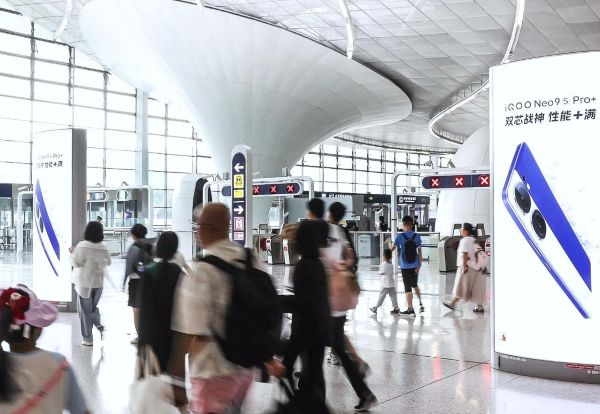
Even for the same route and station, prices may vary at different locations. The light box facing the staircase on the platform is priced higher than at the end of the passage; The wall stickers at the entrance of the transfer passage have a higher value than those in the middle section; The LED screen above the security check machine is priced higher due to its exclusivity.
3. Placement cycle and season
Long term advertising (six months, one year) can earn more favorable unit prices than short-term advertising. In addition, advertising prices during holidays and major events (such as Spring Festival, National Day, and city competitions) usually increase.
4. Advertising Forms and Specifications
The prices for twelve boxes (3mx1.5m) and twenty-four boxes (6mx1.5m) are different for the same lightbox. The resolution, size, and support for interactivity of LED screens will also affect the quotation.
5. Media companies and resource channels
Different media companies have different resources and pricing strategies. First tier agents often receive higher quality resources, but may also increase their prices. Media companies that directly sign contracts with subway operators have relatively transparent prices. Tianci Media is a professional subway advertising placement company that maintains deep cooperation with major city subway media operators, providing customers with authentic and transparent quotes and high-quality location resources.
4、 How to scientifically evaluate subway advertising pricing? Five step decision-making method
Beginners often feel at a loss when faced with complex quotations. The following five steps will help you clarify your thoughts.
Step 1: Clarify the advertising target
Is your goal for brand exposure, new product launch, or event traffic? The goal determines which advertising format you should choose. Pursuing large-scale exposure, you can choose brand channels or LED screens; Pursuing precise access to optional screen door stickers or light boxes for specific sites.
Step 2: Lock in the target site and audience
Filter out the most suitable subway stations based on your target audience. For example, high-end consumer goods should choose sites around the CBD; Educational products should choose stations near the school district; Fast moving consumer goods can choose to transfer to major stations.
Step 3: Obtain quotation and comparison
Request quotations from 2-3 media companies and compare prices for the same or similar locations. Pay attention to whether the quotation includes production costs, installation costs, taxes, etc., to avoid additional items in the future.
Step 4: Calculate Thousand Person Cost (CPM)
CPM=(Advertising Cost ÷ Estimated Exposure) × 1000. This is a key indicator for measuring cost-effectiveness. Request the media to provide estimated passenger flow data for different locations, calculate CPM for different locations, and select the optimal solution.
Step 5: Negotiation and Signing
After clarifying the intended location, you can try negotiating the price, especially when it comes to long-term placement or packaging multiple locations. Carefully read the contract terms before signing, confirm the publication time, maintenance responsibility, breach of contract handling, and other contents.
5、 Common Misconceptions and Avoiding Pits Guide
Misconception 1: Only focusing on price, ignoring the quality of the location
The lowest price point may not necessarily be the most cost-effective. A light box hidden in a corner with low foot traffic, even if it's free, has no value. Prioritize the quality of the location and the matching of the population.
Misconception 2: Neglecting the cost of creative production
The fees on the quotation are often just media release fees. Creating a high-quality lightbox image or LED video may cost thousands to tens of thousands of yuan. Be sure to reserve this expense in the budget.
Misconception 3: Blindly believing in "guaranteed effectiveness"
No media can guarantee advertising effectiveness. The value of subway advertising lies in exposure and reach, and the final conversion also depends on multiple factors such as product, creativity, and delivery channels. Be wary of media outlets that promise to 'guarantee sales'.
Misconception 4: Unclear contract details
It is necessary to specify in the contract the specific items included in the cost, the start and end time of the placement, the specific location of the points, the response time for screen replacement, and the compensation plan for advertising that cannot be displayed properly due to malfunctions or activities.
Misconception 5: Ignoring Data Validation
Request the media to provide official passenger flow data or third-party monitoring reports for the location. After the publication, promptly request photos or videos of the publication, and if possible, personally verify on-site.
6、 Conclusion: Let professionals do professional things
Subway advertising quotation is a complex system that involves multiple variables such as city, route, location, form, and cycle. For beginners, self exploration is not only inefficient, but also prone to pitfalls.
Tianci Media is a professional subway advertising placement company that has been deeply involved in subway media for many years, with media resources covering major cities across the country and rich experience in placement. From demand analysis, location recommendation, price negotiation to creative design, publication execution, and effect tracking, we provide one-stop full process services to help customers maximize the value of subway advertising at a better cost and higher efficiency.
Whether you are a national brand or a local merchant, regardless of budget size, choosing professional partners can help you avoid detours in subway advertising and ensure better results.