
- Photos
- Specs
- Advantages
- Value
- Media Map
| Area:Guangzhou | Type:airport | Frequency:0 |
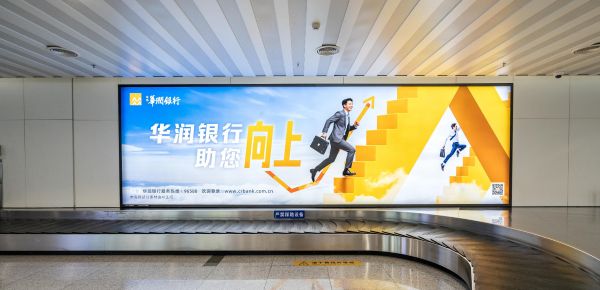
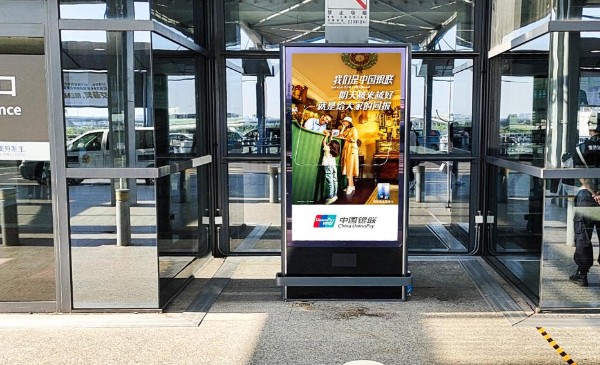
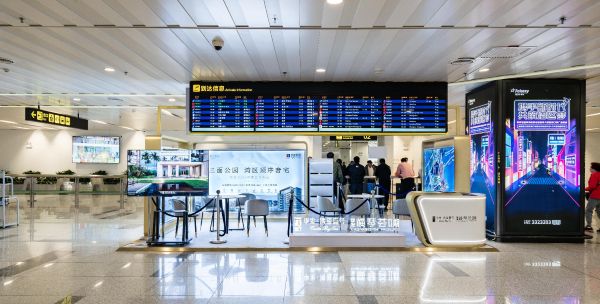
| Address:Guangzhou Baiyun International Airport | Format:Light box | Duration:0 |
| Location:T1 Departure Main Building | Min Qty:3 | Operating Time:0-24o'clock |
| Size:9.1×3 | Min Period:month |
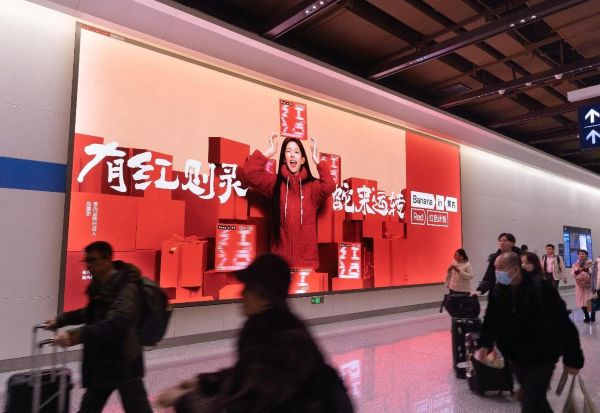
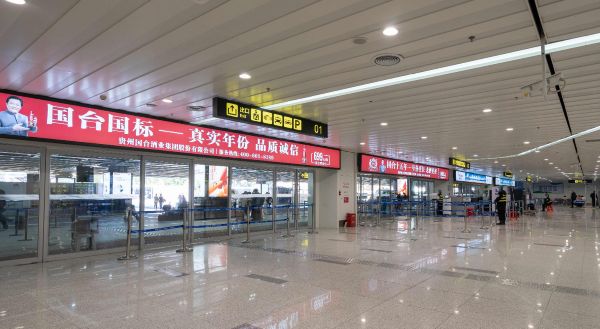
Located on the only essential route passengers must take after domestic departure security checks to the boarding gates, with no diversion dead ends or detour space, it fully reaches high-end departing passengers, ensuring precise exposure without loss, 100% coverage with no diversion and no interference. Featuring ultra-wide large screens and uniform high brightness, it achieves a gaze rate exceeding 70% and memory retention significantly higher than conventional media. After security, passengers stay on average 20 minutes, allowing long advertising exposure time and high acceptance.
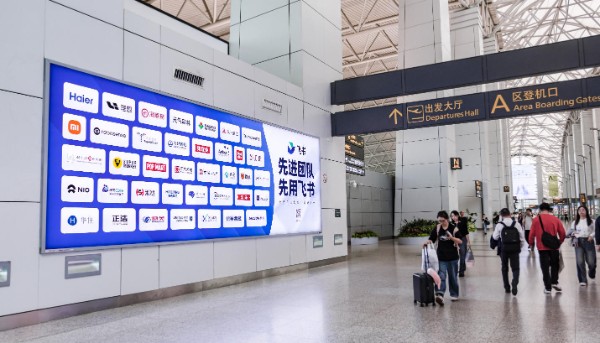
The T1 departure main hall corridor is the only mandatory route after security checks, with an annual passenger throughput of over 80 million and daily coverage of 120,000 passengers, precisely reaching business and high-end travelers, who typically have high income, high spending power, and strong decision-making influence, making it a prime site for high-end brands to reach core audiences. Compared to traditional static lightboxes, dynamic flashing lightboxes increase attention capture by 60%. Ultra-large sizes combined with the airport's high-brightness environment, with a double-panel coherent layout, form a visual brand wall far surpassing other mobile media.
This set is a wall-embedded flashing lightbox exclusive site, with only 2 sets installed throughout the entire terminal, occupying the core visual strip of the main building with no competing media of the same kind and no traffic diversion, making it an irreplaceable scarce resource. It faces no outdoor obstruction or light interference, supports 24-hour HD stable playback, and has no time-slot restrictions, making it more stable than subway or commercial district advertising and more efficient in cost amortization.
The set occupies a prime core route with 100% undiverted coverage of departing passenger flow, free from outdoor noise interference, monopolizing the visual focus. Memory retention is far higher than conventional static media, achieving long-term deep exposure, reducing ad resistance, and reinforcing brand recall.
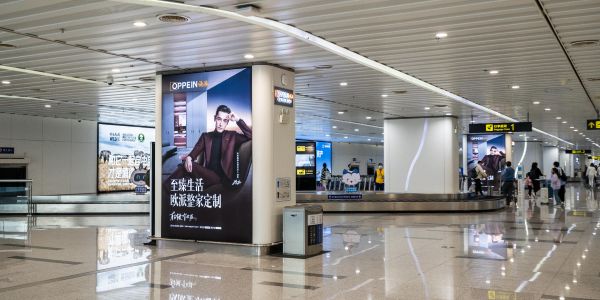
This media set is typically located in the security corridor or on the main hallway walls of the departure main terminal. It is an essential passage for passengers before entering the restricted area. Whether departing domestically or transferring internationally, passengers must pass through this area. The large wall-mounted light boxes occupy both sides of the corridor’s view, naturally blocking vision. When passengers queue for security or walk through, their eyes are naturally drawn to the flickering images on the walls, allowing brand information to be efficiently conveyed as they move.
The flickering light box sets often feature extra-large designs, with individual panels covering tens of square meters, and are usually combined as sets. The grand visuals create a strong sense of visual immersion in the narrow corridor, almost constructing an immersive brand space for passengers. Whether showcasing the dazzling colors of fashion products, the oversized light boxes present them with extremely high clarity and color accuracy, greatly enhancing the brand’s visual impact.
The core walls in the departure area emphasize the advantages of 'dynamic flicker and linked sets' and serve as the main carrier for brands to efficiently reach high-quality passenger traffic. Positioned in the golden window period for information reception, the ads achieve over 70% gaze rate and memory retention far above ordinary media. As a limited and scarce airport resource, it easily stimulates social secondary sharing. It balances brand image building with efficient exposure, making it a strategic choice for high-end brands to implement airport marketing and achieve asset appreciation.
The light box set is a rare and commercially valuable premium media asset in the aviation media resources of South China. Its investment value is primarily reflected in four dimensions: the asset property of traffic, advertising return rate, long-term resilience to economic cycles, and brand premium capability.