- Photos
- Specs
- Advantages
- Value
- Media Map
| Area:Hainan | Type:airport | Frequency:0 |
| Address:Haikou Meilan Airport | Format:Light box | Duration:0 |
| Location:T1 First Floor Arrival Hall Baggage Claim | Min Qty:4 | Operating Time:0-24o'clock |
| Size:7.85m×2.55m | Min Period:year |
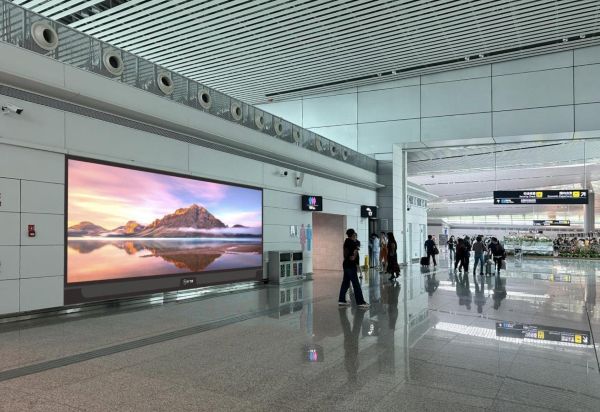
Located in the baggage claim area that all domestic arriving passengers must pass through, it covers 100% of arriving passenger traffic, with an average daily footfall of over 150,000. Passengers are required to watch and stay, with an average wait time for baggage of 5–15 minutes. The baggage hall is a closed environment, with no other commercial distractions or information-interfering advertisements. The reach rate of information exceeds 95%, with passive strong exposure and repeated contact, achieving 3–5 times the efficiency of ordinary advertising.
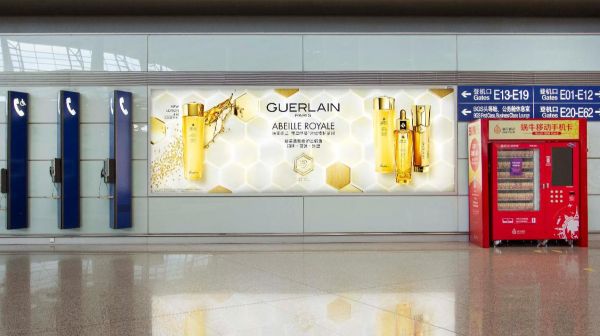
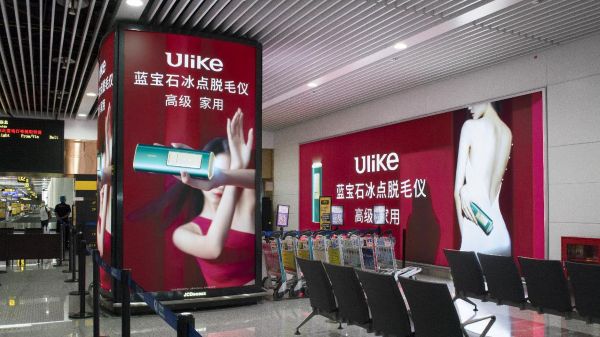
The core area of the first-floor baggage claim hall is usually located on the walls, columns, or visual focal points of passenger waiting areas around the baggage carousel. The average waiting time for passengers is 8–15 minutes. Wall light boxes often occupy an entire wall, creating an exclusive display effect. While waiting, passengers' visual focus mainly falls on these light box advertisements, with a reach rate close to 100%.
After collecting their baggage, passengers enter the first visual stay area before the corridor. This area is in the psychological transition phase from baggage confirmation → emotional release → route planning, with high attention concentration. During the wait, passengers either move around the carousel or stay in place for long periods. The frequency of viewing the same light box advertisement is much higher than corridor-type advertisements, making it easy to form a deep brand memory, achieving the transition from glimpsing to reading and finally to “memory.”
The domestic arrivals baggage claim hall is a unique, unavoidable, undiverted, closed scenario. One advertisement placement equals massive high-end exposure, deep brand memory, immediate consumption conversion, and long-term brand imprint. It is the preferred strategic placement for brand image promotion, regional market expansion, and high-end audience reach.
As a key node connecting the arrival corridor to the exits, the media in this area leverages its unique situational attributes to build a highly competitive communication advantage. With its long mandatory dwell time, large-scale visual impact, and precise coverage of high-net-worth demographics—the three major trump cards—it has become one of the most valuable offline advertising media on Hainan Island. It is not only a window for brand display but also the "prime advertising spot" where arriving travelers spend the longest time and have the most concentrated attention.
The baggage claim hall offers a closed and tidy environment without other cluttered ad distractions. This lightbox, as a core large-wall media in the hall, becomes the natural visual focus for travelers while waiting. It can reach arriving passengers and simultaneously touch the waiting people outside to pick up arrivals, achieving dual exposure for "travelers and accompanying persons." Each passenger flow group can be repeatedly reached multiple times, making brand memory particularly deep.
Occupying the core flow line of the entire baggage claim scene, travelers must go to this area after landing to wait and collect luggage. The advertising exposure time in other airport areas is limited, while here, the entire experience is within the eye-level range, requiring no deliberate searching. Ads are passively received without resistance, making communication efficiency much higher than ordinary mobile ad spots. With strong visuals, high reach, and cost-effectiveness, it achieves efficient communication and helps brands quickly capture travelers’ minds.
The core wall location in the baggage claim area enjoys the natural advantages of mandatory pathing and long dwell times. Every domestic arriving passenger without exception must wait here to collect their luggage. There are no detours or omissions, achieving 100% full passenger coverage and simultaneously reaching accompanying travelers and people waiting outside, maximizing exposure efficiency.