- Photos
- Specs
- Advantages
- Value
- Media Map
| Area:International | Type:airport | Frequency:150 |
| Address:Incheon International Airport, South Korea | Format:spam bot | Duration:15s |
| Location:T1 T2 and the Transportation Hub | Min Qty:182 | Operating Time:0-24o'clock |
| Size:40cm | Min Period:month |
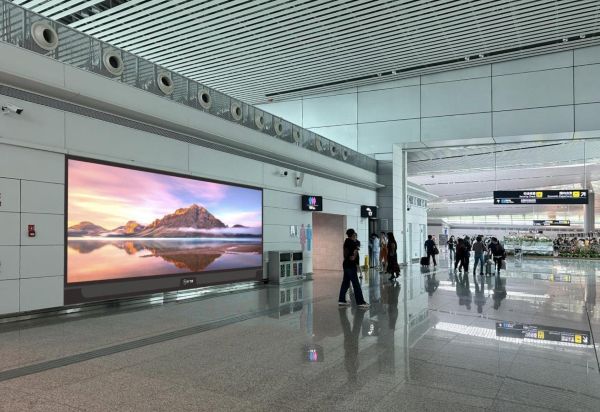
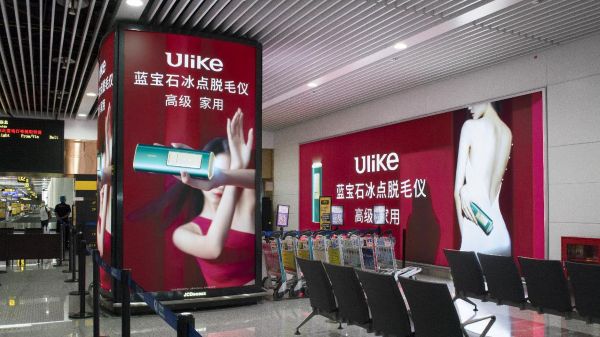
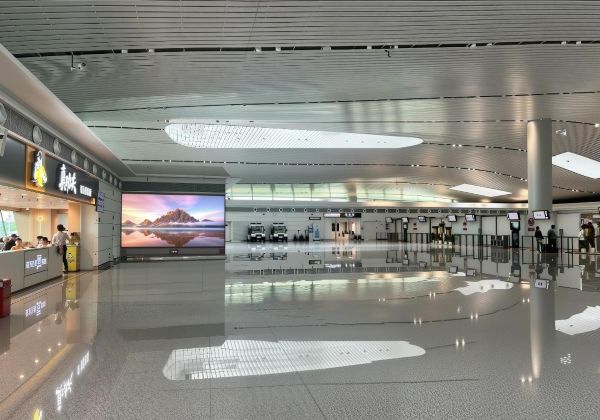
The screener machine network covers three major core areas: T1, T2, and the transportation hub, forming full-process touchpoints for passengers. With 360° visual coverage, passengers stay on average 2-3 hours, ensuring mandatory exposure. The airport environment has minimal interference, passenger attention is high, and the advertisement reception rate exceeds 85%. Passengers share their airport experiences on social media, creating secondary dissemination and expanding brand influence.
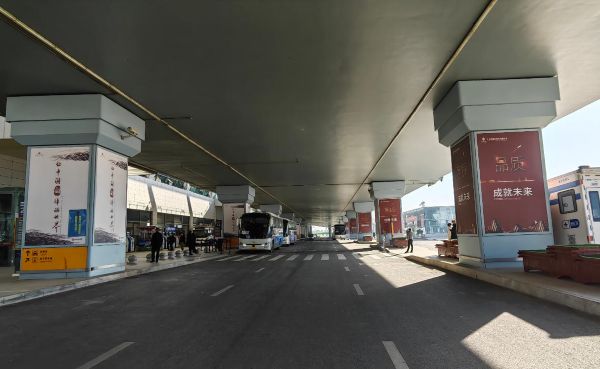
The airport screener machines offer more precise reach. The transportation hub connects the two terminal buildings with city traffic, covering the entire transfer passenger flow. The daily reach exceeds 150,000 passengers, with advertising exposure frequency reaching 2 million times per day. It is the preferred medium for international brands entering the Korean market. Full-area deployment allows airport screener machines to cover the entire passenger journey from 'departure - check-in - transit - arrival - transfer,' achieving multiple natural exposures without communication gaps, subtly strengthening audience brand memory.
During the boarding process, passengers encounter the same advertisement multiple times, creating a 'multi-location, high-frequency' repeated dissemination effect. Ads can be linked with the flight information display system to precisely push content such as destinations, achieving integrated 'advertisement-service' communication and further enhancing brand favorability.
With the ability to target high-net-worth business and travel passengers, the core value of long-duration, low-interference stays, combined with flexible placement mechanisms and authoritative scene endorsement, it is a high-quality investment option for high-end brands to achieve precise exposure, brand elevation, and efficient conversion.
With five core advantages—prime location, high-value audience, top-tier technology, hub traffic, and precise data—it builds a strategic high ground for international brand communication. It is especially suitable for brands that need to quickly enhance international influence and reach high-end consumers. Incheon Airport’s screen network not only gains advertising exposure but also receives brand endorsement aligned with the “World’s Best Airport,” achieving both communication effectiveness and brand value enhancement.
Leveraging T1’s high-frequency essential reach, T2’s advanced intelligent interaction, and the captive viewing environment of the transport hub, a multi-layered, integrated digital marketing ecosystem is created. Passengers’ average baggage claim waiting time is up to 15 minutes with nowhere else to go, naturally locking their gaze onto the screen above the carousel. As a result, advertising content receives high-frequency passive exposure, with ad reach nearly reaching 100%.
Relying on this scarce hub traffic resource, a unique core media advantage is formed, distinguishing it from fragmented exposure of ordinary outdoor media and overcoming the limitations of single-scene communication. It becomes a key premium platform for brands to access the Northeast Asian market and reach global traffic, further expanding the audience coverage of the airport screen network. This allows dual coverage of high-end and broad-spectrum traffic, precisely reaching the high-net-worth core group.
The screen network adopts a full-area coverage and precise location layout strategy, covering passengers’ critical paths from check-in to boarding. Advertising placement strategies are adjusted according to flight dynamics and passenger flow, maximizing the use of media resources.