- Photos
- Specs
- Advantages
- Value
- Media Map
| Area:Guangzhou | Type:airport | Frequency:0 |
| Address:Guangzhou Baiyun International Airport | Format:Light box | Duration:0 |
| Location:T2 Departure Check-in Hall, Island End | Min Qty:5 | Operating Time:0-24o'clock |
| Size:2.89×1.37 | Min Period:month |
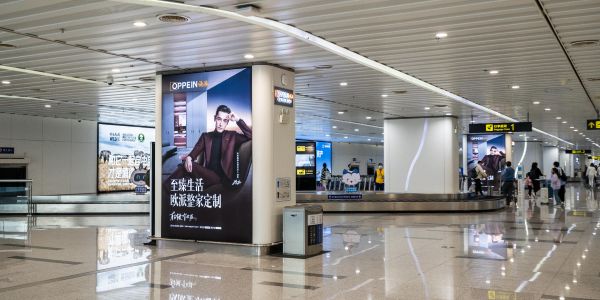
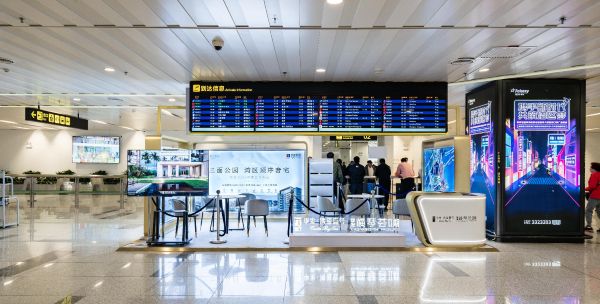
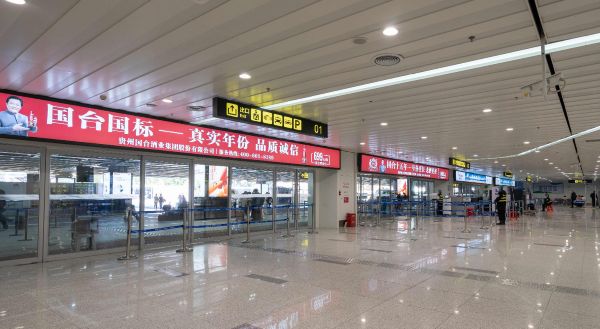
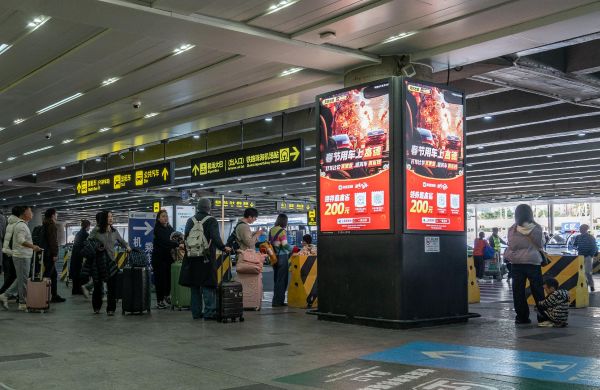
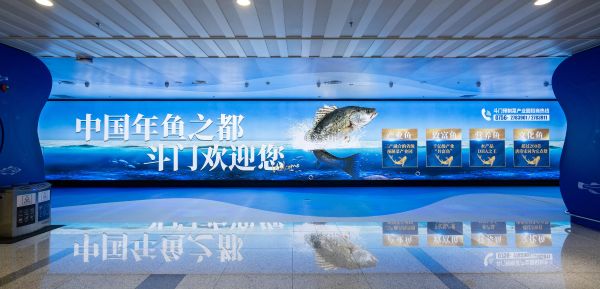
As one of the first advertising media that travelers encounter upon entering the check-in hall, the island-end lightbox naturally holds a first-touch advantage. At this point, travelers have not yet queued or started the check-in process, their attention is not yet divided, and they are highly sensitive to information in the surrounding environment. Brand messages can be efficiently embedded into the initial stages of their journey mindset. The lightbox design incorporates the T2 terminal cloud theme, visually echoing the streamlined ceiling lighting matrix, combining both commercial value and artistic appeal.
The island-end lightbox in the T2 departure check-in hall is located in a must-pass area for travelers, covering over 50,000 people daily. The lightbox package at the end of a check-in island (Package A) has a placement cycle of 1 month, ensuring sustained advertising exposure. Lightbox advertising predominantly targets young, high-income groups, easily stimulating purchasing desire, making it suitable for high-end brand placement.
The lightbox package is a rare media resource that integrates early-stage reach, mandatory exposure, premium audience, creative extension, and scenario-based added value. It is not just an advertising space but also a strategic fulcrum for a brand to establish recognition, shape its image, and drive associations within a high-end travel ecosystem. It is especially suitable for industries that demand high brand positioning and quality users.
By entering the check-in travel scenario, the space adapts naturally to the airport lightbox and presents a nature-inspired visual effect. Combined with the travel mindset, the lightboxes use simple language to highlight warmth and practical value, ensuring that key messages are naturally and fittingly integrated. The airport lightbox becomes part of the space itself, providing visual comfort while conveying the warmth of travel, making every departure feel calmer and more pleasant.
With its core location and precise positioning, it has become a key media resource for brands to capture high-end traffic. Its four core advantages highlight its commercial communication value. As the initial stop in the travel process, passengers spend concentrated periods of time here, allowing daily exposure to a vast, highly active audience. The enclosed environment significantly reduces interference, enabling brand messages to gain mandatory exposure advantages, far surpassing the communication efficiency of ordinary outdoor media.
The terminal's modern style strongly aligns with brand image, quickly enhancing brand perception. Whether through customized visual design or creative presentation integrated with travel scenarios, it perfectly matches brand tone. At the same time, it supports interactive features, forming a closed loop from brand display to consumer engagement, establishing itself as a strategic resource for high-end brand communication.
Precisely reaching and targeting high-potential customer groups, over 65% of airport travelers are high-income, highly educated business professionals with strong spending power and decision-making influence. Airport lightboxes precisely cover this core audience, who have a strong acceptance of high-end brands and willingness to pay. This provides a targeted channel for brands in finance, luxury goods, and high-end automobiles, achieving efficient utilization of marketing resources.
For investors seeking high cost-performance and long-term appreciation, the lightbox package is not only a marketing tool for quickly capturing high-end traffic in the short term but also an asset-type media for long-term engagement with the high-end consumer market, offering investment value with both certainty and growth potential.