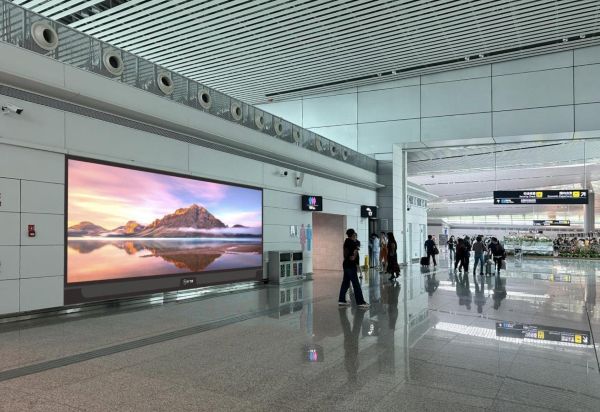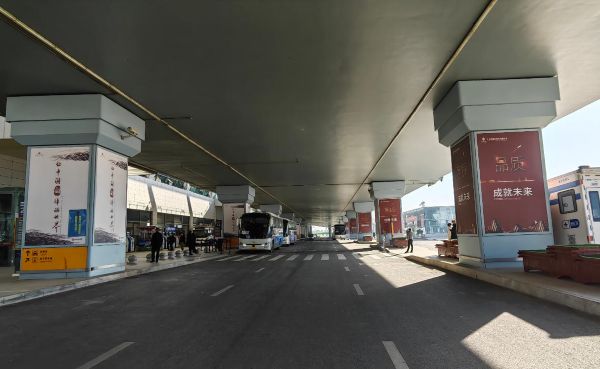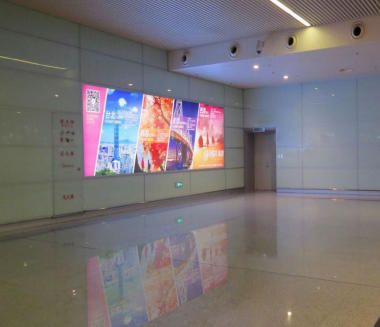

- Photos
- Specs
- Advantages
- Value
- Media Map
| Area:Changsha | Type:airport | Frequency:0 |
| Address:Huanghua International Airport | Format:Light box | Duration:0 |
| Location:T2 International Baggage Hall | Min Qty:1 | Operating Time:0-24o'clock |
| Size:7.22米(W) ×2.34米(H) | Min Period:year |
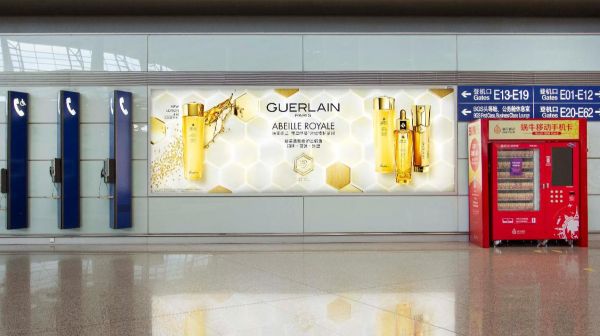
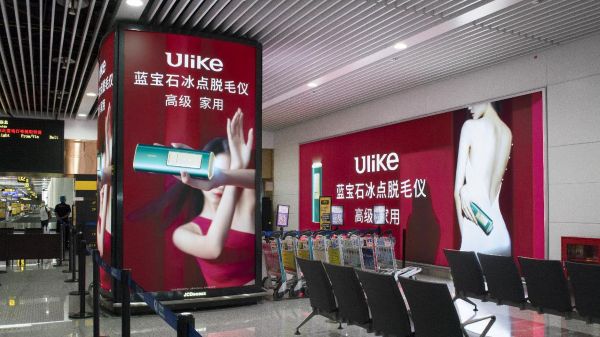
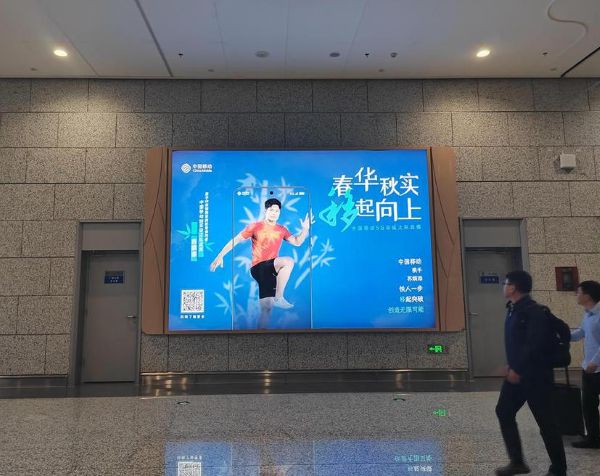
The lightbox advertisements in the T2 International Baggage Hall at Huanghua Airport leverage the precise concentration of cross-border travelers and the unique characteristics of international settings, becoming a core medium for brands to connect with high-net-worth individuals both domestically and abroad and convey an international value. The deep integration of lightbox ads with international travel scenarios enhances both the quality and effectiveness of the communication.
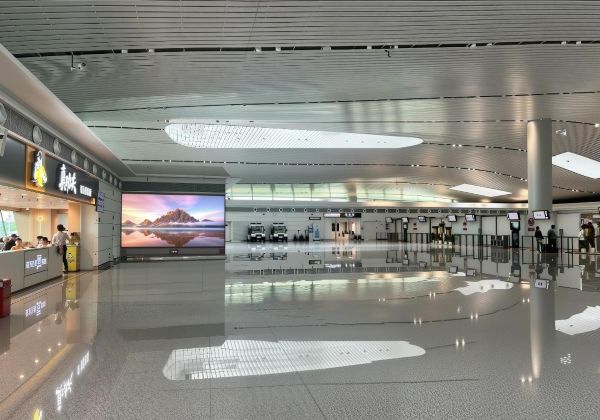
The international baggage hall is the only central area for arriving and departing travelers to collect luggage and pass through customs without any alternate routes, covering 100% of the daily international traffic of over 12,000 people. The scenario is highly targeted, and once implemented, it caters not only to local high-end consumption settings but also to the global service of international brands. Lightbox advertisements can precisely align with this cross-border demand window.
In this setting, lightbox ads can help international brands quickly enter the central China market and reach core audiences sensitive to international trends, while also assisting local high-end brands in connecting with cross-border travelers and conveying the image value of Chinese brands going global. At the same time, travelers spend an average of 25-30 minutes in the baggage hall, providing ample time for the lightbox advertisements to deliver complete messages, laying a solid foundation for cross-border consumption conversion and international brand recognition.
With their exclusivity in cross-border scenarios, targeting of high-net-worth international audiences, and deep adaptation of lightbox ads to international travel scenes, these media become a core tool for brands’ cross-border communication. Their advantage lies in the precise alignment with international passenger demand and the logic of effective communication.
The ads are densely arranged along the walls around the baggage carousels, on both sides of customs channels, and above exit doors, creating a visual loop throughout the entire process of luggage collection, customs clearance, and departure. They naturally become the focal point of travelers’ attention, with a complete message reception rate of over 93%, far exceeding the passive exposure effect of ordinary outdoor media.
Lightbox advertising in this context holds a dual transmission value: it not only helps international brands quickly enter the central Chinese market and reach core audiences sensitive to international trends but also assists local high-end brands in connecting with cross-border traffic and conveying the image value of Chinese brands going global. At the same time, with the optimization and upgrade of the outbound tax refund policy, lightbox advertising can link with local tax refund shopping areas, precisely targeting the consumption needs of overseas travelers, forming a cross-border marketing loop of exposure-interest-conversion, further amplifying its communication value.
With its three core advantages of high traffic, high net worth, and strong situational relevance, lightboxes have become strategic points for global brand communication. Their investment value is uniquely competitive among central hub airports, especially suitable for international brands aiming to capture the central China market and radiate to Southeast Asia. Luggage hall lightboxes can be integrated with formats such as 'city culture pop-ups' to achieve a traffic-experience-conversion loop.
Lightbox advertising in the international luggage hall targets a broader range of global travelers, including business professionals and high-end consumers from diverse cultural backgrounds, enabling brands to achieve precise cross-cultural outreach. Moreover, the renovation and upgrade of T2's international concourse not only improve the traveler experience but also significantly enhance the overall image of the airport, providing brands with excellent opportunities to establish emotional connections with international travelers.
With four core advantages—situational exclusivity, high-net-worth audiences, technological foresight, and regional cultural empowerment—lightbox advertising becomes a strategic hub for global brand communication. Its investment value is exceptionally competitive among central hub airports, particularly suitable for international brands looking to capture the central China market and extend to Southeast Asia.