
- Photos
- Specs
- Advantages
- Value
- Media Map
| Area:Changsha | Type:airport | Frequency:0 |
| Address:Huanghua International Airport | Format:Light box | Duration:0 |
| Location:T2 Domestic Departure Corridor | Min Qty:1 | Operating Time:0-24o'clock |
| Size:8.05米(W) × 1.99米(H) | Min Period:year |
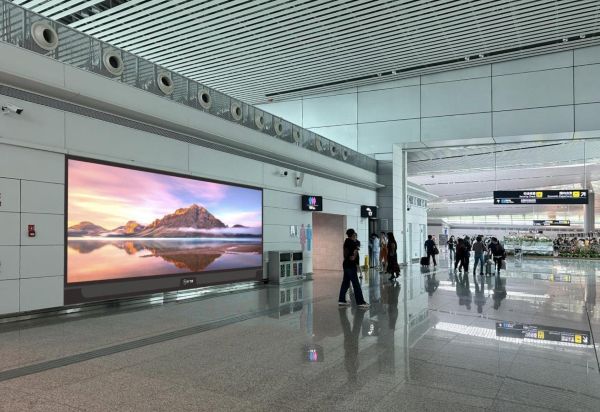
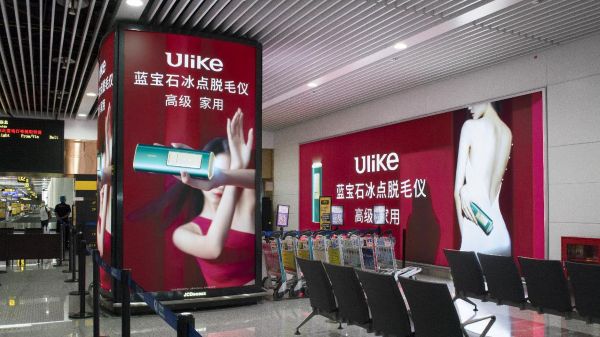
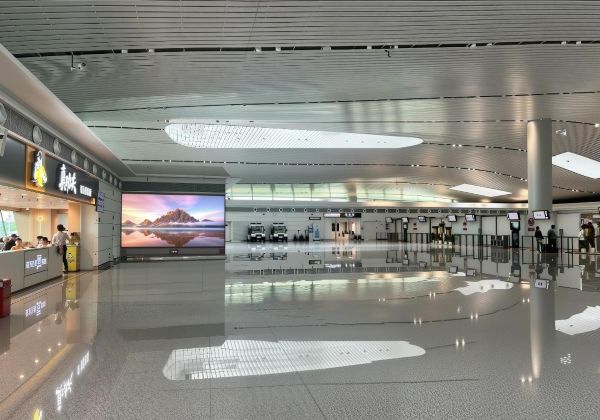
In airport advertising strategies, corridor lightbox ads complement large-screen ads, together forming a complete airport advertising ecosystem. By combining with corridor lightbox ads, brands are provided with comprehensive airport advertising coverage, allowing brand messages to be effectively conveyed at every stage of the traveler's journey. This advertising format not only enhances the airport's image but also establishes a natural emotional connection between the brand and travelers, making every screen lighting a warm dialogue between the brand and travelers.
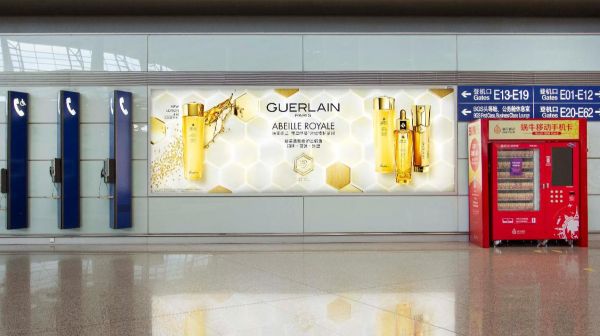
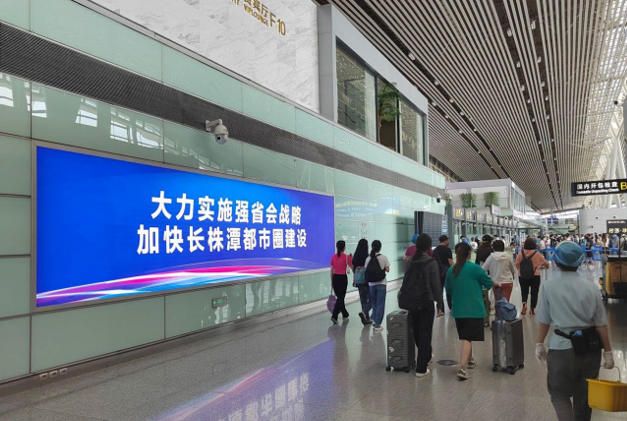
The T2 domestic departure corridor is the main route for passengers to the boarding gate after security check. This enclosed, distraction-free passage links the full process of waiting, transferring, and boarding, accommodating tens of thousands of business and leisure travelers daily. The lightboxes are integrated into the corridor walls with an embedded design, seamlessly aligning with spatial aesthetics, and creating a synergistic advertising effect with other ads in the terminal, allowing brand messages to deeply penetrate in moments where passengers pause naturally
The corridor is unobstructed and free from competing distractions, with walking speeds slowing to 3-5 km/h, naturally focusing the line of sight on the wall-mounted lightboxes. This connects with large-screen ads in check-in areas and waiting halls, where initial brand curiosity sparked by the large screens is further detailed through the corridor lightboxes, achieving a communication rhythm of initial encounter on large screens and in-depth reading on lightboxes.
The lightboxes are strategically placed at key points such as corridor corners and jet bridge junctions. Alongside boarding gate signs, they interact with the fragmented time travelers spend looking for seats or waiting to board, creating a static complement to dynamic visuals from other ads, thereby making brand impressions more lasting.
Huanghua Airport, as a regional hub with an annual throughput exceeding 31.2 million passengers, naturally provides high-end and professional scene attributes that endorse brands. Lightbox advertisements integrate seamlessly with the airport’s high-quality environment, both showcasing brand strength and leveraging the airport’s status as a city gateway to expand regional and even nationwide influence. This scene-based empowerment allows advertising to go beyond mere information dissemination, becoming an important vehicle for upgrading brand value.
The audience in this area mainly consists of business and leisure travelers, who generally possess high spending power and decision-making ability. Advertising targeted at this core group can convey brand messages that precisely match their consumption needs and level of awareness. Whether promoting high-end products or shaping brand image, leveraging the characteristics of this audience enables efficient conversions, making it especially suitable for brands aiming to establish a premium perception.
With high-net-worth traffic targeting, scene exclusivity, and natural compatibility with large-screen advertising, it becomes a high-quality investment option that combines stability with growth potential. Its deep value lies in accurately aligning with the core needs of brand communication. At the same time, the booming airport-first economy allows ads to link with surrounding consumption scenarios, forming a marketing closed loop of exposure, interest, and conversion, adding an additional growth curve to investment value.
Advertising in this context precisely meets audience needs, achieving highly efficient, individualized reach without the need for generalized coverage. Every marketing dollar spent focuses on high-conversion potential groups, significantly reducing investment waste caused by ineffective exposure.