

Search
3060results match your search criteria
HOT
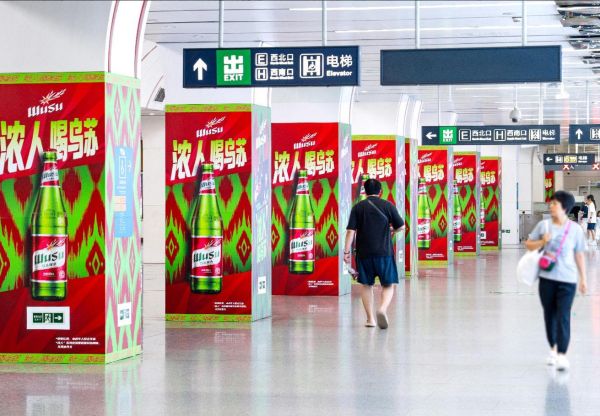
Pillar Wrap Light Boxes at Concourse Level, Chaoyangmen Station, Beijing Metro
Rule the world with your screen, let the world witness your influence
Relying on the enclosed and independent communication space of underground subway tunnels free of interference from outdoor traffic, scattered billboards and ambient noise, passengers maintain highly concentrated attention during their fragmented commuting time, resulting in an over 40% higher ad recall rate compared with conventional outdoor advertisements.
Quote
¥44 W-88 WTips:Can match different media resources to form quotation proposals and support downloading
HOT
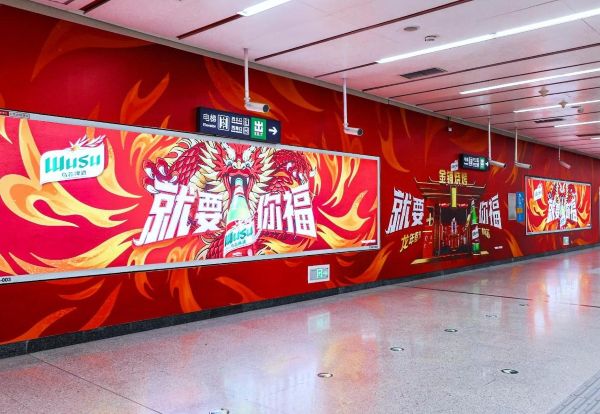
Wall Stickers & Lightboxes on the South Wall of the Concourse, Chaoyang Men Station, Beijing Metro
Slim as a painting, stunning down to the finest detail
Accurately showcase product details, core selling points and campaign information as the central visual focus, featuring a well-structured dual-layer visual layout with premium texture that delivers far stronger visual impact than scattered conventional subway advertising spots
Quote
¥60 W-120 WTips:Matching different media resources to generate quotation proposals and support downloading
HOT
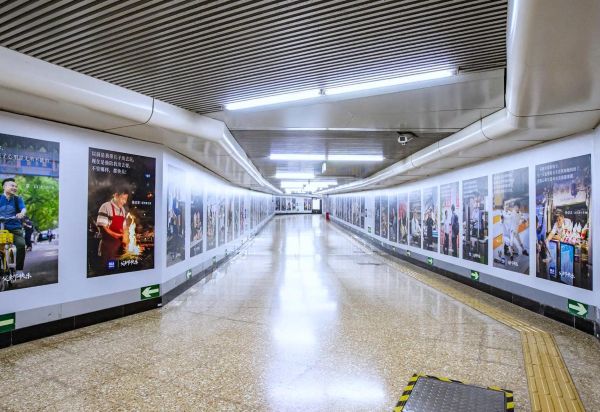
Wall Stickers on East and West Walls of Northeast Exit B, Beijing Subway Line 1 & Batong Line
Legends unfold on the giant screen
The media adopts a seamless full-wall coverage design on both the east and west sides of the passage. No columns or signage boards cut the display screen, delivering complete and coherent visuals. It can independently showcase brand images, or be combined with passage floor stickers to create an immersive three-dimensional brand zone.
Quote
¥30 W-60 WTips:Can match different media resources to form quotation proposals and support downloading
HOT
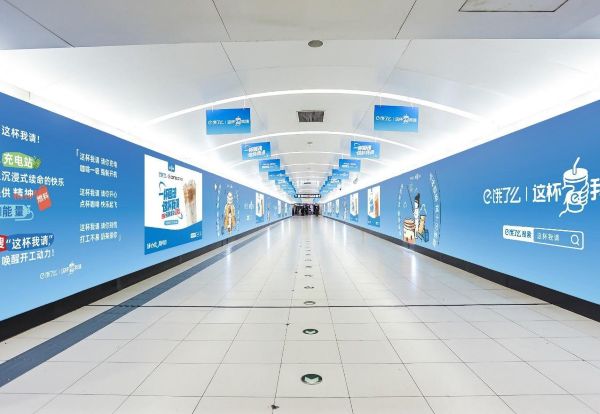
Dual-side wall advertisements in the north passage of Guomao Station Concourse, Beijing Metro
Immersive giant screen, bringing the cinema into reality
A seamless giant screen with a total area of over 320 square meters on both sides forms an enclosed immersive brand tunnel. Passengers walk through it slowly for 30 to 60 seconds, absorbing brand information thoroughly throughout the journey, with memory retention more than three times that of ordinary subway light boxes.
Quote
¥50 W-100 WTips:Can match different media resources to form quotation proposals and support downloading
HOT
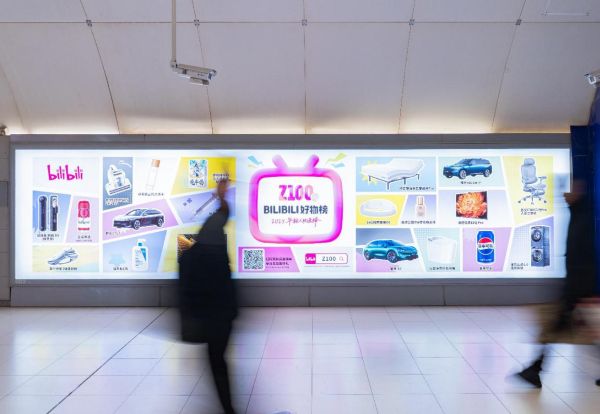
Premium Light Box, West Concourse, Guomao Station, Beijing Subway
Every tiny detail revealed, redefining your visual imagination
The light boxes are aligned with the line of sight of passing crowds, delivering an immersive viewing experience at close range. Passengers will repeatedly see them throughout their entire journey of entering/exiting stations and transferring lines, resulting in far higher brand retention compared with standard ordinary light boxes.
Quote
¥33 W-66 WTips:Can match different media resources to generate quotation proposals and support downloading
HOT
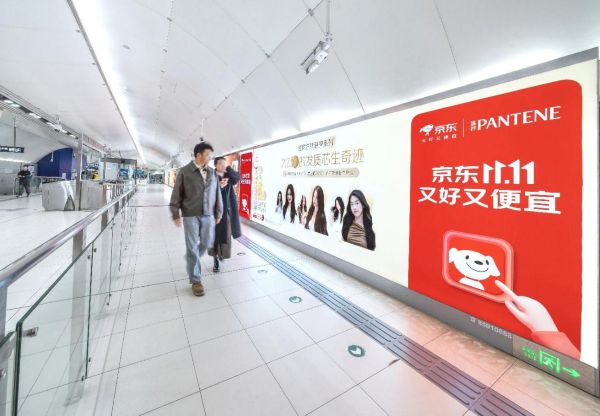
Light Boxes + LED Screens in East Concourse of Guomao Station, Beijing Metro
Illuminate the Beauty of the City, Radiate the Glory of the Brand
The enclosed underground passage creates an immersive, all-encompassing visual impact. Unlike scattered single-point advertisements, it delivers communication effects on par with brand corridors and themed exhibition areas. Boasting scarce full-wall advertising resources, this sole combined media package in the same area offers strong exclusivity.
Quote
¥98 W-196 WTips:Match different media resources to generate quotation proposals and support downloading
HOT
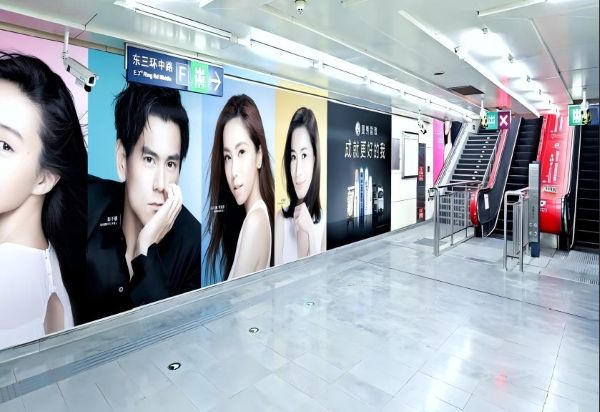
Upper-level wall decals + stair side decals at Northeast Exit F, Guomao Station, Beijing Metro
Exquisite picture quality with dazzling flowing light and color
The exclusive passage for the upper upward escalators is the only vertical mandatory route for passengers exiting from this gate to reach the ground directly, with no branches or diversion channels. It fully covers 100% of all passenger flow exiting from Gate F, resulting in an almost 100% advertising reach rate.
Quote
¥25 W-50 WTips:It can match different media resources to form quotation proposals and support downloading.
HOT
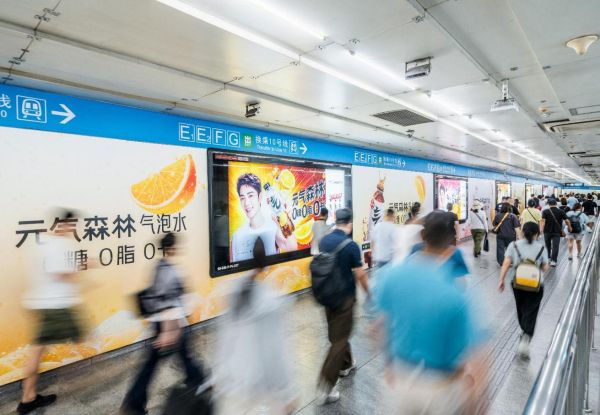
Wall stickers on the south wall of Guomao interchange passage of Beijing Metro + 12-light light boxes
Stunning Vision, Comprehensive Coverage
A full set of media runs along the entire south wall with no columns, escalators or signage boards cutting off the visuals. Wall decals and seven side-by-side 12-panel light boxes are arranged in an integrated continuous layout, creating an exclusive brand visual corridor throughout the passage. It occupies the complete single-side wall without other advertisements diverting viewers' attention.
Quote
¥90 W-190 WTips:It can match different media resources to generate quotation proposals and support downloading.

We have over decades of experience in developing outdoor advertising media placement strategies to drive brand success on a global scale.
Community Ads
Other Ads
Copyright © 北京杨氏天赐传媒有限公司 版权所有京ICP备2021000929号-7Sitemap广告投放
Links:
天赐传媒