

Search
3060results match your search criteria
HOT

Light Box at Exit, B1 Floor, West Square of Tangshan Railway Station
Grab attention and seize business opportunities
This location serves as the first visual gateway for passengers arriving in Tangshan and a critical window for stimulating local consumption. Upon exiting the station, passengers immediately generate demands such as taking taxis, returning home, leisure activities, shopping, property purchasing and traveling, so the advertising exposure precisely targets the early stage of consumption decision-making.
Quote
¥30 W-60 WTips:Matching various media resources to generate quotation proposals and support downloading
HOT

Light Box at East Ticket Office, Tangshan High-Speed Railway Station
Curated Premium Goods Within Easy Reach
The light boxes are installed at the optimal eye level for standing adults, unobstructed by columns, turnstiles or equipment. Passengers will naturally fix their eyes on the visuals while queuing, waiting or making inquiries, creating a mandatory immersive viewing experience that delivers far deeper information retention than media placed along quick-through passageways.
Quote
¥30 W-60 WTips:Matching different media resources to generate quotation proposals and support downloading
HOT
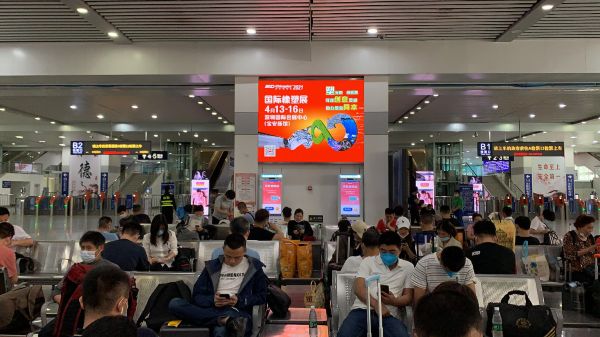
Square Column LED Displays in the Waiting Hall of Zhuhai Railway Station
Technology empowers life, light and shadow create classics
The golden core area achieves full passenger flow coverage without blind spots. Media devices are evenly placed at the center of seating clusters in the waiting hall. Unlike wall-mounted media on a single side, they adopt a three-dimensional layout around square columns to deliver 360° all-round exposure.
Quote
¥15 W-30 WTips:Can match different media resources to generate quotation proposals and support downloading
HOT
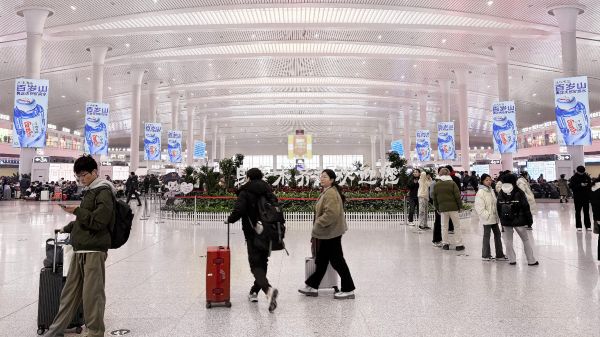
LED Screen on Side A of Digital Three-Sided Display in the Waiting Hall of Urumqi Station
Gather Top-Tier Visuals, Showcase Brand Power
It occupies the main visual area of the central pillars in the waiting hall, serving as the core focal point for incoming passengers throughout their entire journey of waiting, resting and ticket checking. It boasts multiple communication advantages including scarce locations, striking visual impact, precise passenger flow targeting and in-depth audience reach.
Quote
¥70 W-140 WTips:It can match different media resources to form quotation proposals and support downloading.
HOT
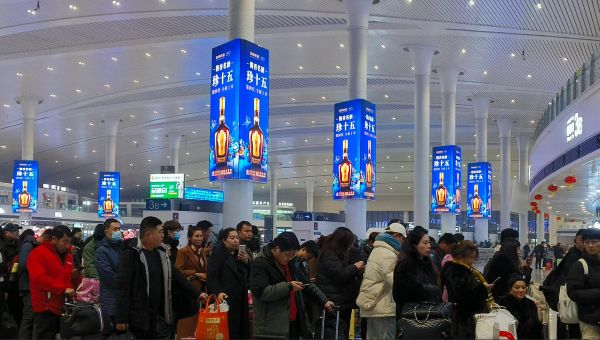
LED on Side C of the Digital Three-Sided Screen in the Waiting Hall of Urumqi Railway Station
Panoramic HD Vision, Pursuit of Broader Horizons
The core open area of the elevated waiting hall at Urumqi Station is the independent Position C among the three sets of digital triangular screens inside the station. Adjacent to the waiting seat area, ticket checking passages and the central service desk, it is the visual core spot that all passengers must pass through along the entire route for waiting, moving and resting.
Quote
¥55 W-110 WTips:No.1 North High-speed Railway Sixth Road, Toutunhe District
HOT
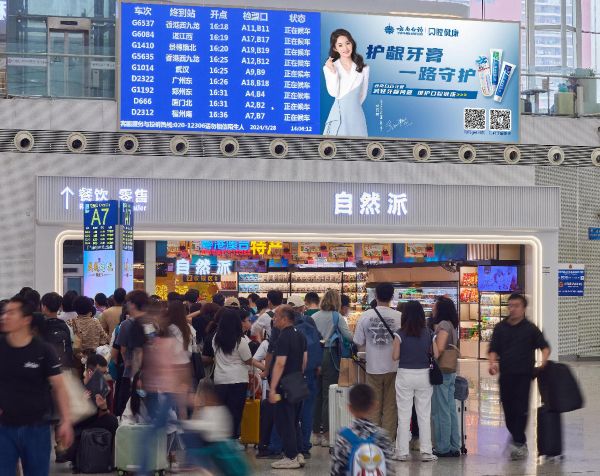
Digital Lightboxes in the Waiting Hall of Shenzhen North Railway Station
Yearned for its outstanding appeal
The huge digital light boxes above ticket gates deliver sufficient single effective exposure time. Combined with high-frequency daily loop playback, they repeatedly strengthen brand memory, achieving far superior ad retention effects compared to short-duration corridor advertising media inside stations.
Quote
¥15 W-30 WTips:It can match different media resources to form quotation proposals and support downloading.
HOT

Illuminated Wayfinding Signage Light Boxes at Platform Level, Shenzhen North Railway Station
Art knows no bounds; the future is already here
As functional media on the platform floor, it serves the dual purposes of station guidance signage and commercial display. Situated close to platform staircases, barrier-free elevators and passenger queuing areas, it remains continuously visible to travelers throughout their waiting, passing and boarding processes, making it a rare immersive communication spot tailored to the riding scenario inside the station.
Quote
¥30 W-60 WTips:It can match different media resources to form quotation proposals and support downloading.
HOT

LED Displays at Security Checkpoints for Station Entry, 1st Floor, Departure Hall of Shenzhen North Railway Station
Stunning Vision, Within Reach
This spot is located at the prime pre-entry checkpoint ahead of the station. It precedes downstream media such as waiting seats, ticket gates and central large screens, capturing passengers' first visual impression during their trip. It establishes brand awareness in the early stage of passengers' travel, with a higher exposure priority than most advertising spots inside the station.
Quote
¥80 W-165 WTips:Can match different media resources to generate quotation proposals and support downloading

We have over decades of experience in developing outdoor advertising media placement strategies to drive brand success on a global scale.
Community Ads
Other Ads
Copyright © 北京杨氏天赐传媒有限公司 版权所有京ICP备2021000929号-7Sitemap广告投放
Links:
天赐传媒