- Photos
- Specs
- Advantages
- Value
- Media Map
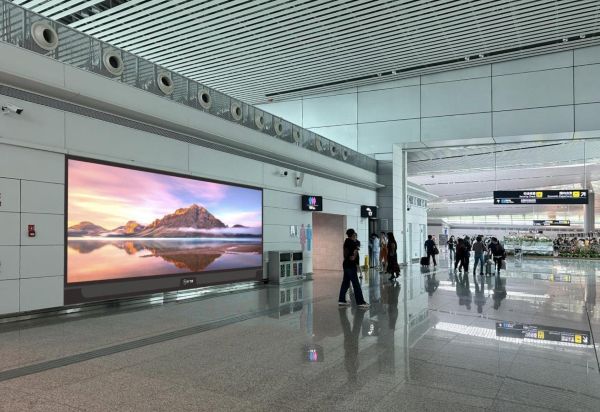
| Area:Guangzhou | Type:airport | Frequency:0 |
| Address:Guangzhou Baiyun International Airport | Format:Film | Duration:0 |
| Location:T1 Airport Entrance and Exit | Min Qty:1 | Operating Time:0-24o'clock |
| Size:/ | Min Period:month |
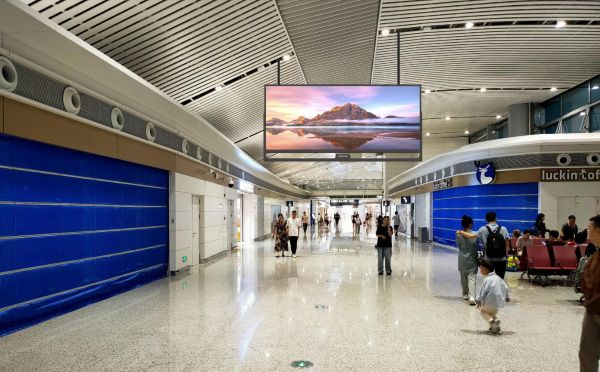
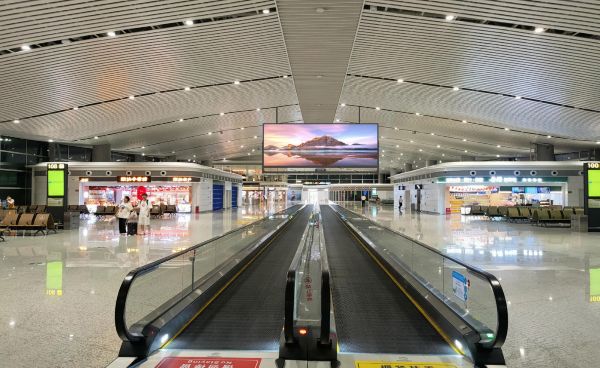
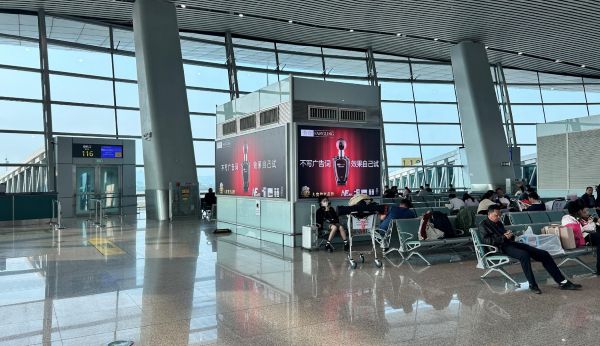
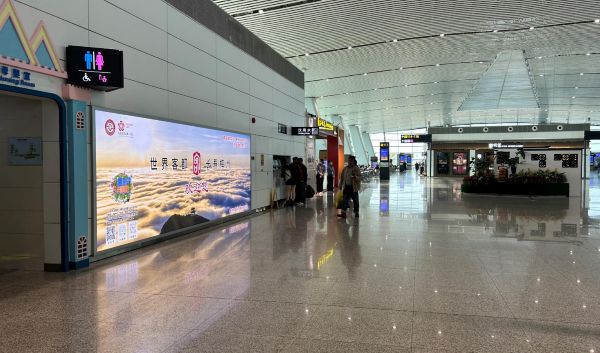
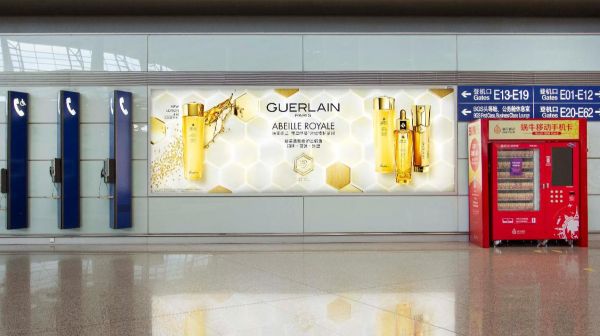
Located along essential passageways, it achieves 100% coverage of all passing travelers without selective skipping, closely following the main walking paths of travelers, distributed after security checks, in the boarding area, baggage hall, arrival exits, and other essential passageways. This ensures full passenger flow coverage with no blind spots or diversion. Continuous scenes spanning dozens of meters form an immersive brand corridor with strong visual impact and a close-range, memorable eye-level viewing experience. The images are clear when viewed up close, leaving a deep impression, and recall rates far exceed ordinary media.
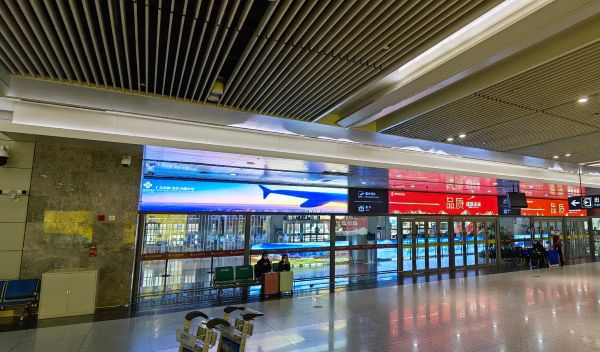
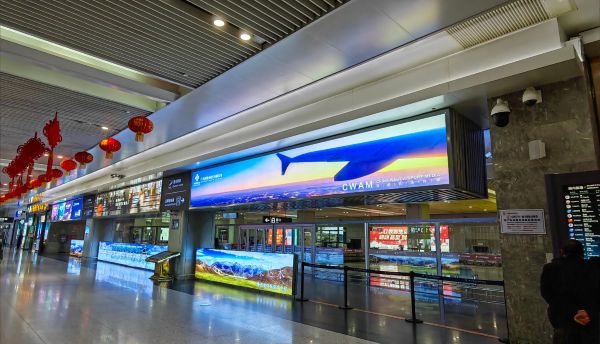
The film is fixed at the human eye-level line of sight in the optimal viewing zone, so it can be seen clearly when passing nearby, naturally attracting attention and creating unavoidable close-range exposure. Single segments can extend for several meters or even through an entire corridor, with smooth, coherent visuals and a unified aura. The entire passageway forms an uninterrupted brand visual strip, capturing attention at every step and gradually creating an immersive communication atmosphere with clean and efficient transmission.
Travelers have sufficient walking and waiting time to immerse themselves in brand information. Locations include both sides of boarding bridge glass in the arrival area, glass partitions in the departure hall, and glass barriers in the baggage claim hall, where there are no other advertisements to interfere with travelers' walking. With about 30–60 seconds of waiting, deep engagement occurs, and brand recall is far higher than ordinary media. This can be coordinated with advertisements at check-in islands, security checks, baggage halls, and departure halls to form full-chain brand exposure from departure to arrival.
The cross-area linear and coherent layout feature allows brand visuals to create a continuous visual flow. Travelers receive repeated information while walking, subtly deepening brand memory, achieving a dual communication effect of 'passive browsing and active memory,' with visual retention duration far exceeding that of ordinary static advertisements.
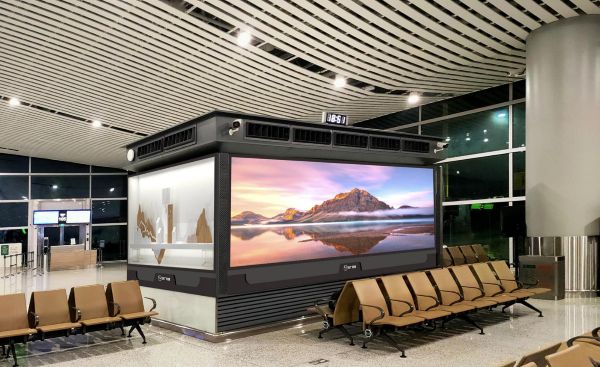
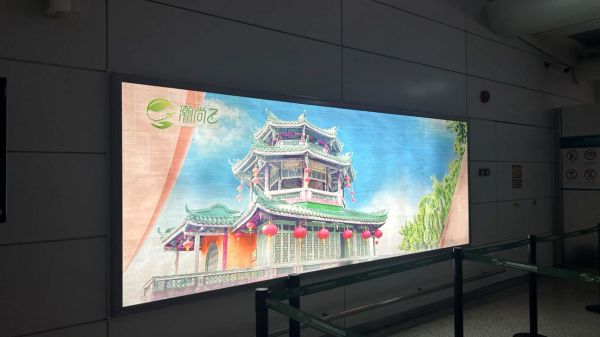
T1 glass anti-collision strip film is a long-strip glass-attached advertising medium set up in key areas such as glass railings, partitions, and jet bridges within the terminal. It cleverly combines safety warning functions with brand communication value. With its core advantages of ultra-long continuous visuals, close-range eye-level reach, and full-area traffic coverage, it is a new high-quality medium that allows brands to achieve low-cost, high-coverage, and strong penetration in aviation hubs.
As the only passage for passengers to board and disembark, with no detour space, passengers naturally view the film content at close range during their movement, creating a passive and natural viewing scenario. Without the need for deliberate guidance, it can achieve 100% passenger traffic coverage, completely solving the problem of low reach and easy neglect of traditional advertising. This significantly enhances brand favorability and memory retention, truly achieving the dual effect of 'precise reach and deep memory'.
This advertising position is located along the core traffic flow after passengers complete the immigration process, covering the departure level, exit channels, and pickup areas. It aligns with passengers’ line of sight and has no visual obstruction, ensuring that the advertisement is frequently viewed in a short period. Whether targeting high-net-worth business travelers or diverse leisure tourists, they briefly stop here, providing a deep penetration scenario for advertising.
This medium represents a golden airport advertising option with low investment, high reach, stable returns, and strong brand endorsement. Its return on investment is significantly higher than traditional advertising, offering four-fold advantages in traffic value, audience value, scenario value, and cost value. Long-term placement can achieve dual benefits of brand exposure and conversion.