
- Photos
- Specs
- Advantages
- Value
- Media Map
| Area:Beijing | Type:airport | Frequency:738 |
| Address:Beijing Capital Airport | Format:Light box | Duration:10s |
| Location:T3C Domestic Departure | Min Qty:9 | Operating Time:0-24o'clock |
| Size:1.20×2.10 | Min Period:month |
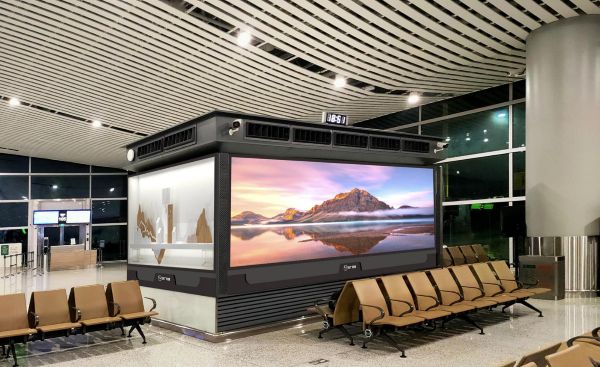
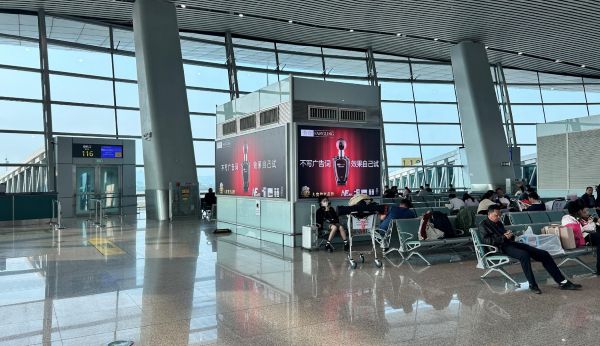
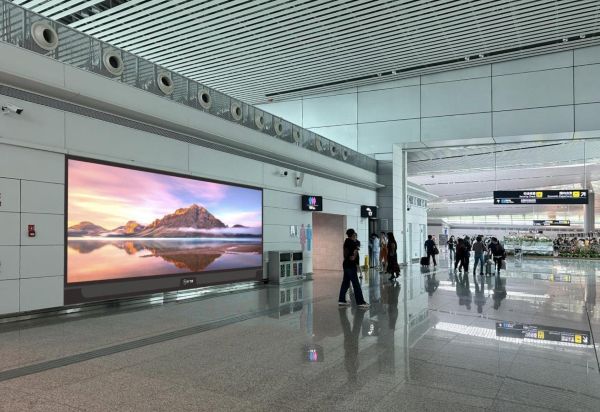
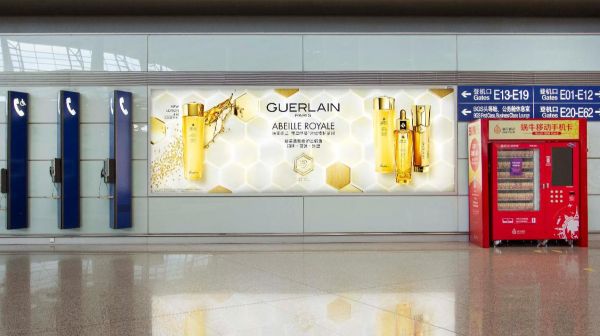
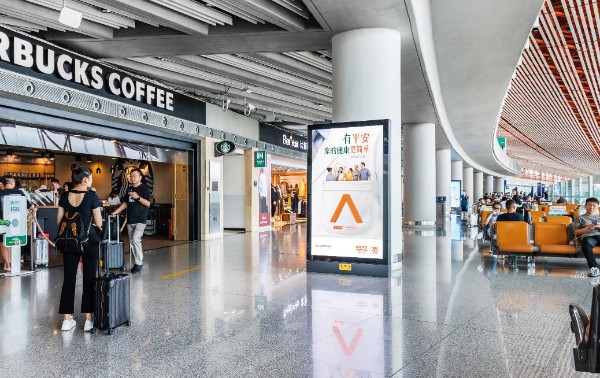
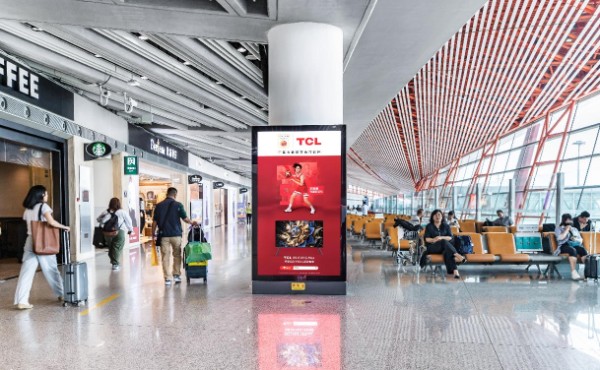
The walls next to the seating area in the T3C domestic departure lounge cover the area where passengers typically stay concentrated 30–60 minutes before boarding. This location is a prime psychological window when passengers are relaxed, browsing, and making consumption decisions. Advertising information naturally penetrates this environment in a low-resistance, high-acceptance manner through background-style high-frequency repetition. The lightboxes can display multiple advertisements, and their looped playback provides richer information.
With a daily reach of over 200,000 passengers, brand recall rates increase by more than 40%, far exceeding single-exposure static media. The average daily playback frequency reaches 738 times, with advertisements rotating every 10 seconds. Multiple screens cycle through scheduled content, breaking the visual fatigue of static ads, attracting active passenger attention, and effectively improving ad reading rates and memory. Passengers spend a long time in the lounge, and repeated exposure at multiple points deepens brand impressions and enhances communication penetration.
The departure area has a pure media environment without cluttered competing lightboxes, making it the visual focal point. The airport scenario is relaxed, with low interference and active reading. The effective ad reach rate is 95%, and conversion rates far exceed traditional digital advertising. Visual information is clearly recognizable from 50 meters away, allowing for large-scale impact and maximum brand presence. Continuous exposure builds brand mindshare, supports secondary communication, and amplifies word-of-mouth value.
Lightboxes = high-value passenger flow × core scenario × high-frequency exposure × authoritative endorsement × long-term added value. They are the preferred aviation media investment for brands aiming for premium positioning, national reach, and high conversion.
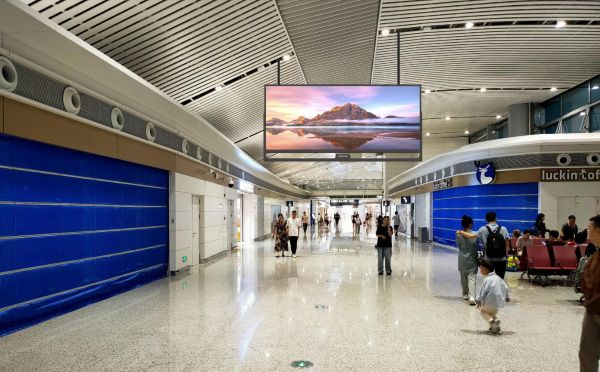
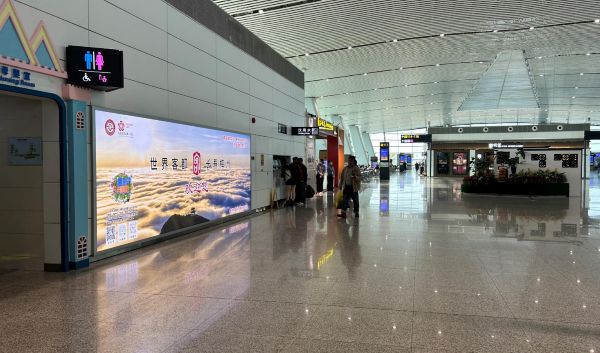
Located on the walls or pillars next to specific boarding gates, passengers queue or wait here, making the viewing distance to the lightboxes very close and the readability extremely high. The passageways connecting the waiting area with dining and shopping areas use effective exposure at crowd convergence points. Most rolling lightboxes are installed at a height within the human eye level or slightly upwards, and when passengers pass by, the distance is usually between 1-3 meters, belonging to the golden viewing distance for extremely precise information transmission.
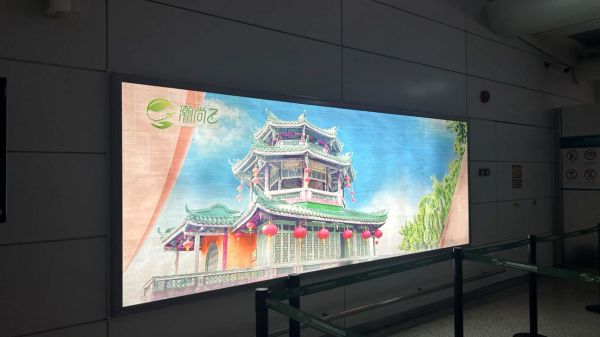
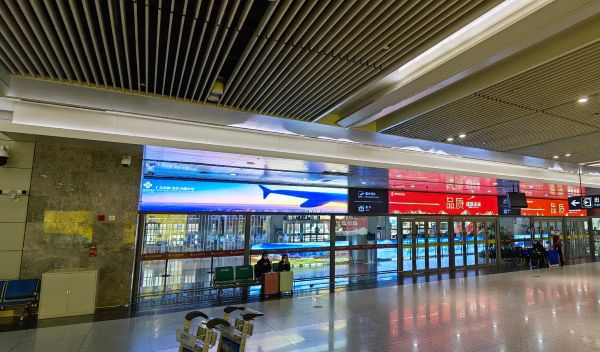
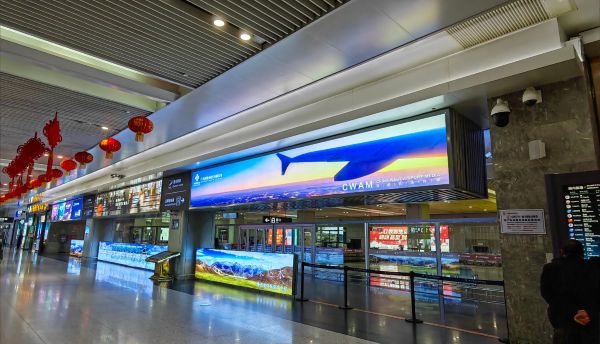
As a golden media connecting static advertisements with digital screens, rolling lightboxes occupy an irreplaceable position in the advertising ecosystem due to their unique mechanical dynamic display method and superior placement. Domestic departure rolling lightboxes perfectly balance dynamic attractiveness, high-definition image quality, serialized storytelling capabilities, and cost-effectiveness.
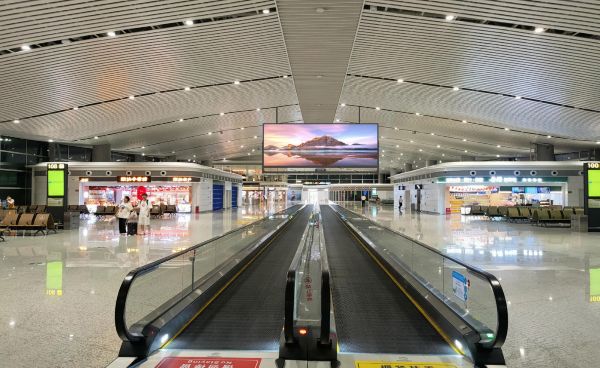
Domestic departure rolling lightboxes are distributed throughout domestic departure security check waiting corridors, boarding gate passageways, and passenger lounges. They are a mainstream airport media form that integrates high-frequency rotation, stable exposure, and full coverage of passenger flow lines. They are suitable for multi-frame brand displays, serialized information dissemination, and long-term image placement, making them top-tier airport media that combine traffic, audience, visual impact, scene, and value.
Rolling lightboxes are a high cost-effective, high-reach, and high-conversion national-level aviation hub media. With five core values—monopolizing main passenger flow lines, high-net-worth audience, dynamic multi-screen, stable exposure, and long-term value—they achieve both brand image enhancement and sales conversion, making them a stable strategic investment for high-end brands to lay out the market.