Beijing Airport Big Brand Advertising: Authoritative Advertising Guide and Effect Analysis in 2025
2025-12-18Tianci MediaViews:239
Highlights
Explore the ultimate advertising guide for Beijing Airport's top brands. This article provides a detailed analysis of the advertising locations, placement processes, cost-effectiveness, and successful cases at Capital International Airport and Daxing International Airport, helping you efficiently reach high-end business travelers. Read now and develop your airport media strategy!
The Ultimate Guide to Top Brand Advertising at Beijing Airport: From Beginner to Proficient by 2025
一、 Introduction: Why is Beijing airport advertising a "must-have place" for brands?
When your brand appears alongside giant billboards at Beijing Capital International Airport or Beijing Daxing International Airport, it's far more than just a simple exposure. This symbolizes the brand's strength, high-end positioning, and ambition for the core market in China.
The two major airports in Beijing have a combined annual passenger throughput of over 150 million people. The target audience here is precise: high net worth business travelers, international tourists, and industry decision-makers. In this scarce scene known as the 'first impression of the national gate', a strategically positioned big brand advertisement is not only an advertisement, but also a brand's strategic declaration. For enterprises that hope to enhance their brand height, enter the high-end market, or consolidate their leadership position, Beijing airport advertising is a golden media that cannot be ignored.
This article will serve as your navigation map, systematically breaking down the entire process of advertising placement at Beijing Airport's top brands, helping you avoid misunderstandings and maximize advertising investment returns.
二、 Core concept analysis: What is "Beijing Airport Big Brand Advertising"?
Before delving deeper, we need to clarify several key concepts.
Big brand advertising usually refers to large static or dynamic advertising carriers inside and outside airports, with a huge area and strong visual impact. In the context of Beijing airport, it mainly includes the following categories:
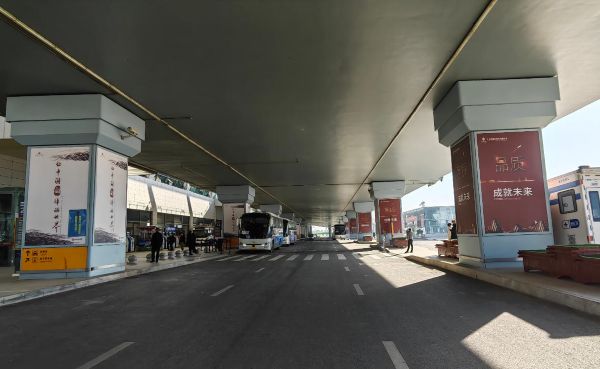
Outdoor Optimus Prime/Lightbox: located along the airport departure/arrival corridor, with dense traffic and pedestrian flow.
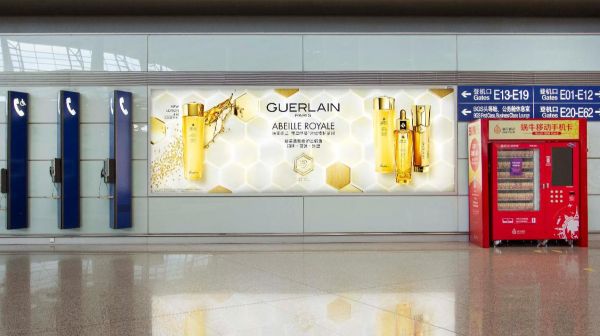
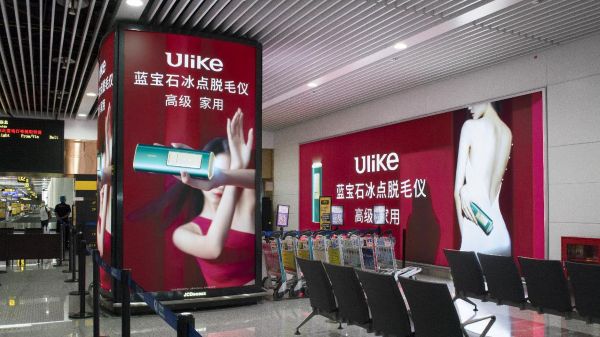
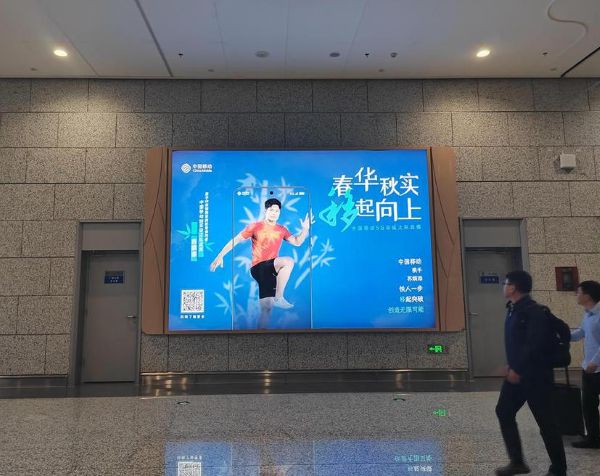
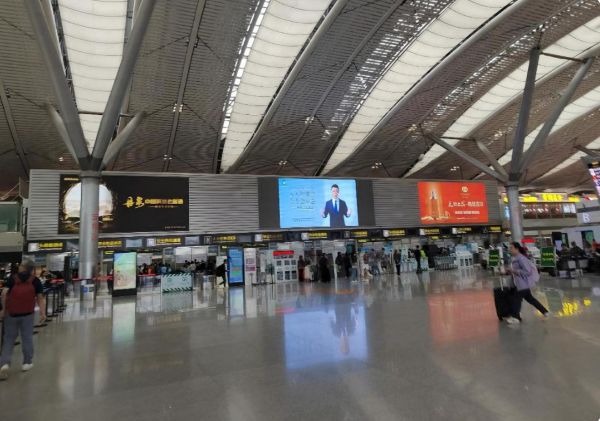
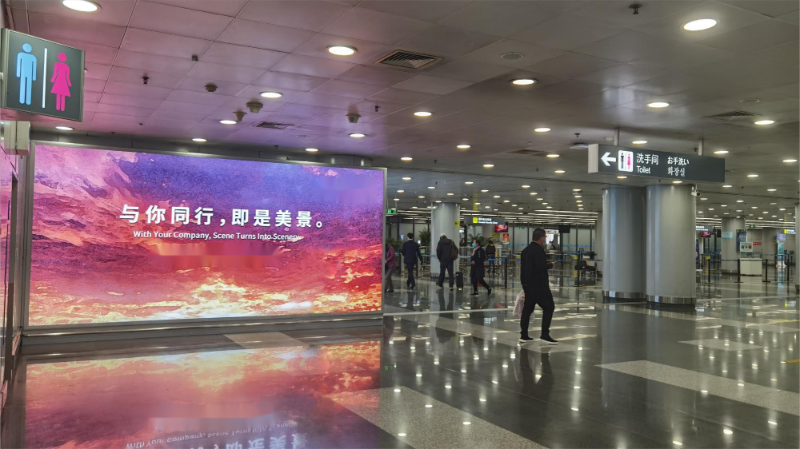
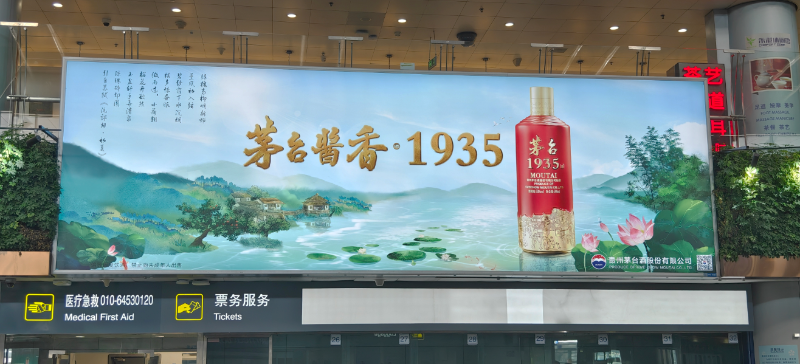
Large lightboxes inside the terminal: wall stickers and column advertisements in core passenger flow nodes such as check-in halls, security check areas, and baggage claim halls.
Corridor Bridge Advertisement: An internal advertisement that connects the terminal building with the aircraft, providing close contact with boarding passengers.
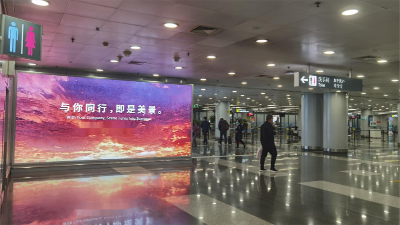
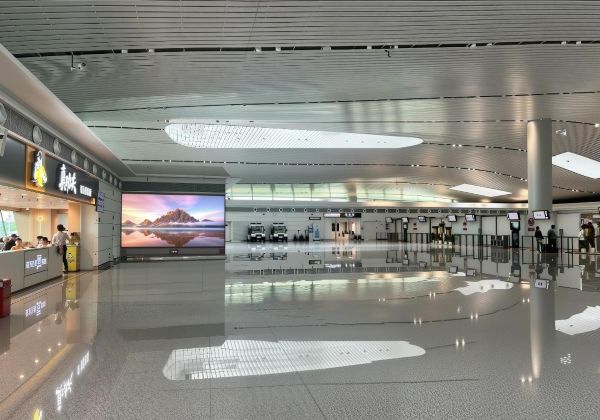
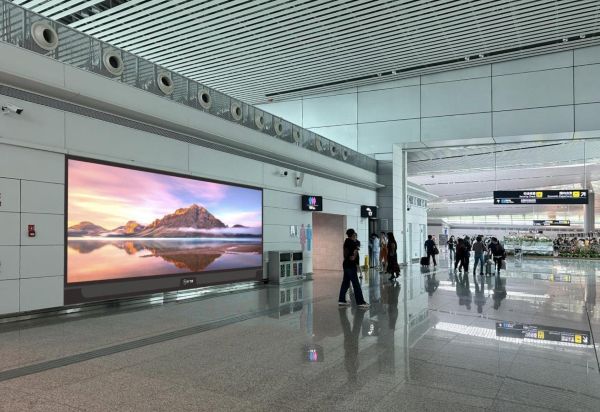
Digital refresh screen/LED large screen: dynamic display, mostly located at the intersection of pedestrian flow, with flexible information updates.
Related LSI/long tail keywords: advertising location at Capital Airport, media prices at Daxing Airport, airport LED screen placement, terminal lightbox advertising.
三、 Step by step explanation: The entire process of advertising placement for major brands at Beijing Airport
Successfully launching an airport brand is not simply about "paying and drawing". It is a system engineering that requires precise planning.
Step 1: Clarify goals and budget evaluation
This is the starting point of all work. You need to ask yourself:
What is the advertising target? Is it brand image building, new product launch, or specific event promotion?
Who is the target audience? Are they international travelers, domestic business travelers, or specific airline groups?
What is the budget? The cost of airport advertising is relatively high and requires advance planning. The cost usually includes media release fees, production fees, installation fees, maintenance fees, etc.
Step 2: Conduct in-depth research on airport resources and location selection
Beijing's two major airports have different resources:
Beijing Capital International Airport (PEK): The T1, T2, and T3 terminals have mature resources, concentrated international routes, and a high density of high-end passengers. The international arrival channel of T3 is a battleground for military strategists.
Beijing Daxing International Airport (PKX): With new facilities, strong technological sense, and diverse media forms, it is an excellent stage to showcase the brand's innovative image. The value of advertising spaces in the central core area is highlighted.
The golden rule of location selection: follow the trajectory of the target passenger. The departure process (check-in security check boarding) is suitable for in-depth brand information transmission; The arrival process (corridor bridge baggage claim airport pick-up) is suitable for establishing first impressions or promoting local services.
Step 3: Contact the media and confirm the plan
Airport advertising resources are usually represented by exclusively authorized media operators (such as Di'an, Yashiwei, Hangmei, etc.). You need to obtain through these official partners:
List of available locations (including technical parameters and pedestrian traffic data).
Quotation proposal.
Scheduling possibility.
After comprehensive evaluation, determine the final placement location, screen size, and release time period (usually purchased on a weekly/monthly basis).
Step 4: Advertising Content Design and Review
This is the creative process, but strict rules must be followed:
Visual impact: Transmit core information within 3 seconds. The font should be large and the image should be concise.
Minimalist information: Passengers pass by in a hurry, and complex information is invalid. Brand logo, core slogan, and QR code (if needed) are sufficient.
Compliance with review: All advertising content must be submitted to the airport and media for dual review to ensure compliance with safety, political, and aesthetic requirements. Reserve at least 2-3 weeks for review and modification.
Step 5: Drawing, Monitoring, and Effect Tracking
After the contract is signed, the media will arrange a professional team to draw and install it. You need:
Execution monitoring: Ensure that advertisements are painted on time and of good quality, without any damage during the period.
Effect tracking: Evaluate advertising effectiveness by combining online data (such as QR code conversion rate, same period brand search index) with offline research.
四、 Common Misconceptions and Avoiding Pits Guide
Many first-time advertisers are prone to falling into the following misconceptions:
Misconception 1: Only focusing on price, ignoring the effectiveness of location
A cheap and sparsely populated billboard may have a much higher single exposure cost than a prime location. The core is' effective traffic ', not absolute price.
Misconception 2: overly complex design and information overload
Moving the homepage of the official website to billboards is a fatal mistake. In the noisy environment of high-speed movement, a clear sign and a powerful slogan are worth a thousand words.
Misconception 3: Underestimating approval cycle and production time
Temporary inspiration is often too late. A complete airport advertising project, from planning to painting, usually takes 1-3 months. Be sure to plan ahead.
Misconception 4: Lack of integrated marketing thinking
Airport brands should be the climax or starting point of integrated marketing campaigns, rather than isolated events. We should simultaneously plan social media preheating, online topic linkage, and offline activity reception to form a collaborative communication force.
五、 Conclusion
Beijing airport big brand advertising is a weighty "business card" for brands to enter the high-end market. It tests not only the brand's budget, but also its strategic vision and execution accuracy.