Is airport advertising really worth it? 5 key indicators tell you the answer
2025-12-10Tianci MediaViews:271
Highlights
This article is aimed at beginners, with the goal of being "operable and replicable". It systematically explains the process of airport advertising placement, budget judgment, material requirements, and effect measurement, helping you achieve maximum exposure and conversion under limited budget.
Why choose airport advertising?
Airport advertising is a high-value form of outdoor media, with typical advantages including:
Crowd concentration: audiences with high income, high consumption power, and strong travel intentions.
High attention: Staying in the waiting and check-in areas for a long time results in more focused attention.
Brand endorsement: The airport environment has a positive impact on the brand image.
But there are also thresholds: the cost of advertising and approval requirements are high, and there are significant differences between different terminals and locations. Therefore, beginners need to have a systematic understanding of the entire process and budget composition to avoid blind investment.
一、 Preparation before advertising (decision-making and information collection)
1. Clear objectives
2. Confirm the target audience portrait
3. Collect airport advertising quotes and gear information
4. Budget and KPI Setting
Brand awareness? Pull new? Or is it a specific promotion? Different goals determine the frequency of display and the form of materials.
International/domestic travelers, business/leisure groups, departing/arriving travelers, etc.
Request quotes for different locations from airport media or agents (please pay attention to the "Airport Advertising Quote" item when searching or inquiring), and verify the visible foot traffic, exposure time, and availability period.
Estimate the advertising cycle (weekly/monthly), target exposure or in store conversion rate, and establish measurable KPIs.
二、 Common forms of airport advertising placement (quick list)
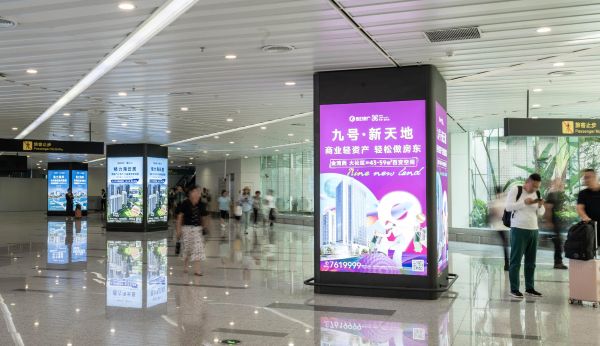
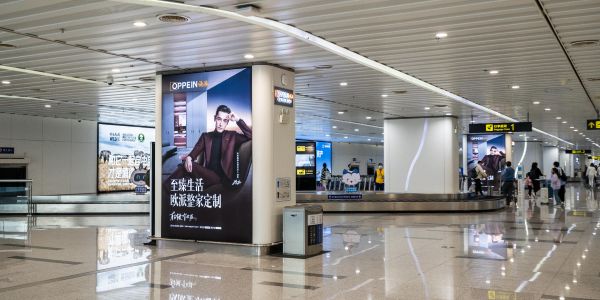
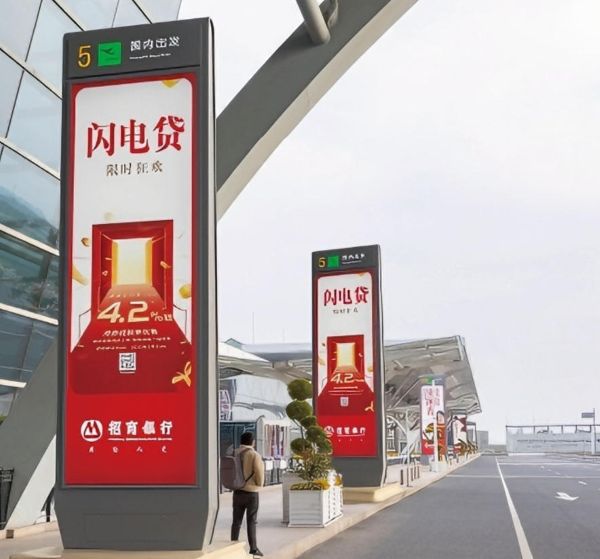
LED large screen (departure level atrium, luggage claim area)
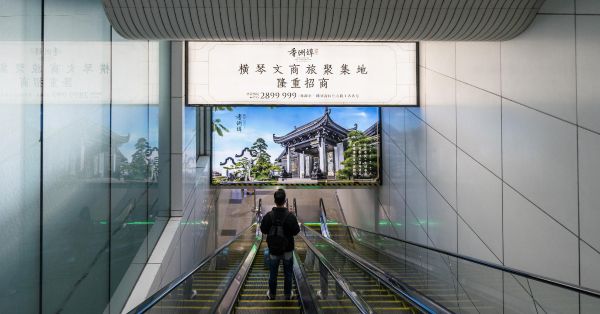
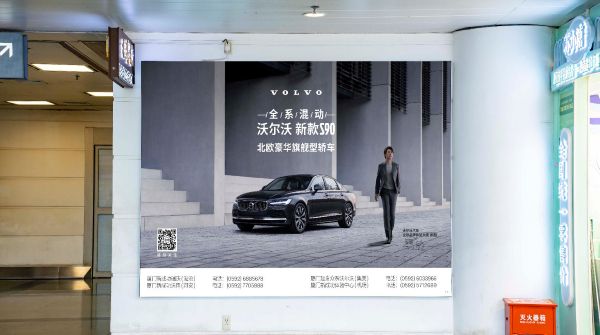
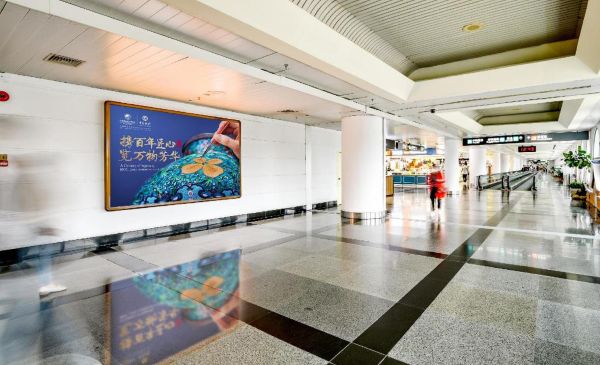
Static spray painting/lightbox (terminal passage, check-in island)
Interactive devices (experience area, guide desk)
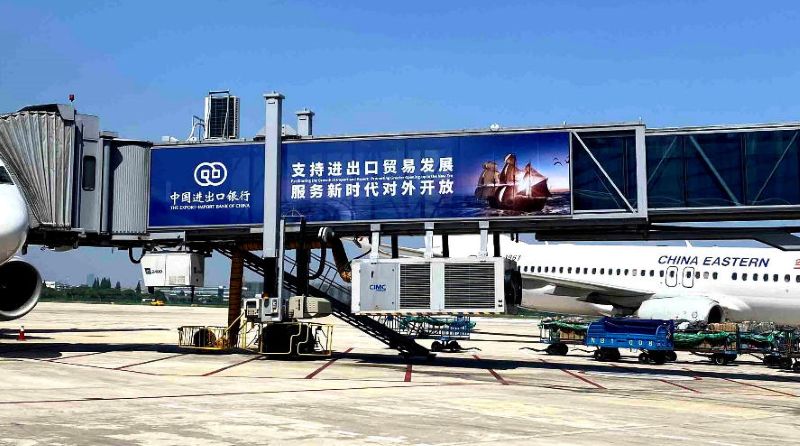
Basic layers such as boarding pass advertisements, luggage carts, and boarding gate backboards

三、 Practical process of airport advertising placement
1- Position selection and price comparison
Obtain airport advertising quotes from multiple suppliers, including base price, production cost, installation cost, and taxes.
Comparative indicators: target foot traffic, line of sight time, audience attributes, and exclusive time slots.
Suggest selecting 2-3 candidate positions and requesting historical flow/exposure reports.
2- Determine the advertising cycle and frequency
Common cycles: 1 week, 2 weeks, 1 month, 1 quarter.
Beginners can conduct pilot projects in a short period (1-2 weeks), collect data, and then expand their advertising.
3- Material specifications and production
Obtain the technical specifications of the location (resolution, scale, maximum frame rate, duration).
Design points: high contrast, short story design, strong visual anchor point; Mostly consisting of 15-30 second loop segments.
Reserve approval and production time in advance (usually 3-10 working days).
4- Approval and Compliance
Airport advertisements usually require approval from the airport and regulatory agencies, with special requirements for medical/financial/pharmaceutical/educational advertisements.
The submitted materials include: flat/video samples, textual explanations, and qualification certificates (if related to medical or education).
Leave a buffer period for approval to avoid preparing only when the launch is approaching.
5- Publication and on-site monitoring
On the day of publication, confirm the actual broadcast time and visual effects (preferably by sending someone or requesting the supplier to provide playback records/screenshots).
If it is a digital screen, playback logs can be obtained for verification.
6- Data collection and effectiveness evaluation
The effectiveness can be evaluated through the following methods: airport passenger flow statistics, changes in brand search volume, landing page visits, use of discount codes, and offline visits to stores.
Compare key indicators (exposure, clicks, conversions) before and after advertising, and calculate the input-output ratio (ROI).
7- Optimization and reinvestment
Adjust materials or time periods based on data, and prioritize optimizing positions with high conversion efficiency.
If the pilot is successful, consider expanding the deployment cycle or running multiple airports/terminals in parallel.
四、 Budget breakdown: several items you must understand in airport advertising quotations
Media fees: priced by cycle and location, and are the subject of the quotation.
Production cost: The production and post production expenses for videos or static materials.
Installation/dismantling: Large installations or static printing require on-site construction costs.
Platform management/agency fees: If third-party media agents are used, service fees will be incurred.
Approval or copyright fees: Special content or music copyrights may require additional fees.
Tip: When requesting a detailed quotation, please list it item by item to avoid "hidden costs" in the future.
五、 Common Misconceptions and Avoidance Methods
Misconception 1: Only looking at unit price without considering foot traffic and conversion
Low unit price does not necessarily mean high cost-effectiveness. Pay attention to the matching degree between CPM (cost per thousand exposures) and the target audience.
Misconception 2: Neglecting material comparison and testing
Good creativity can significantly enhance memory points. Adopting A/B testing for short cycle optimization.
Misconception 3: Neglecting approval time and compliance risks
Temporary changes to materials or failure to review in advance may result in delisting or fines.
Misconception 4: Treating airport advertising as a short-term promotional tool
Airport advertising is more suitable for brand endorsement and high-quality exposure, and short-term promotions should be linked with online traceable channels.
六、 Checklist (10 items that must be done before advertising)
1. Clearly define the advertising goals and KPIs.
2. Request and verify advertising quotes from multiple airports.
3. Obtain and confirm the technical specifications of the materials.
4. Complete self inspection of compliance content (qualifications/licenses).
5. Reserve approval and production time.
6. Confirm the playback log/on-site acceptance process.
7. Develop an effectiveness monitoring plan (UTM, landing page, discount code).
8. Arrange emergency replacement materials to prevent them from being taken down.
9. Sign a written contract with the supplier and agree on breach of contract terms.
10. Set a review cycle and optimization plan.
Conclusion
Airport advertising is a high-value brand exposure method, but to achieve ideal returns, the key lies in early strategy, precise positioning, and continuous optimization. As a beginner, you should:
First, conduct small-scale pilot projects and strictly measure their effectiveness;
Request suppliers to provide detailed airport advertising quotes and crowd flow data;
Making materials, compliance, and monitoring the core elements of the advertising process.