
- Photos
- Specs
- Advantages
- Value
- Media Map
| Area:Beijing | Type:airport | Frequency:0 |
| Address:Beijing Capital International Airport | Format:Light box | Duration:0 |
| Location:T3 International Departure Check‑in Hall | Min Qty:3 | Operating Time:0-24o'clock |
| Size:9.85 x 3.86 m | Min Period:month |
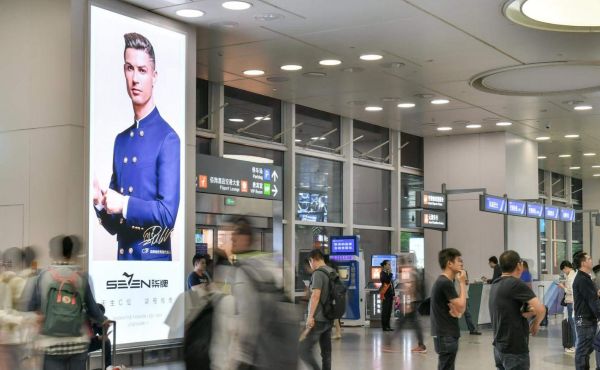
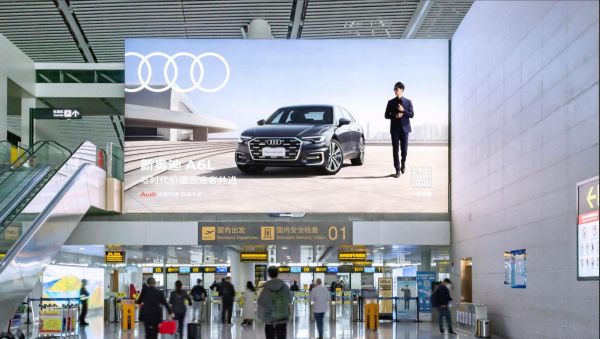
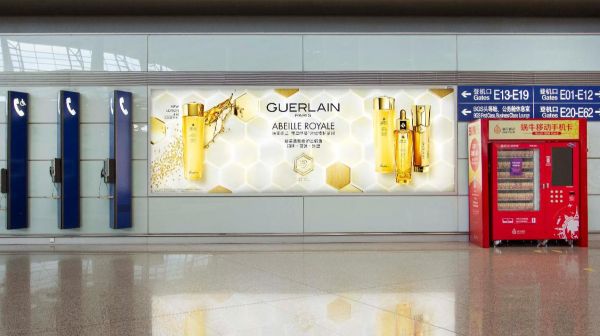
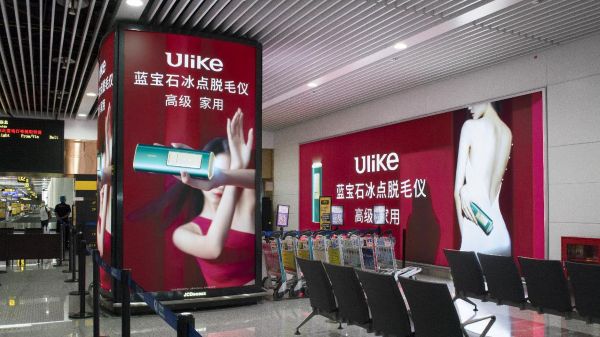
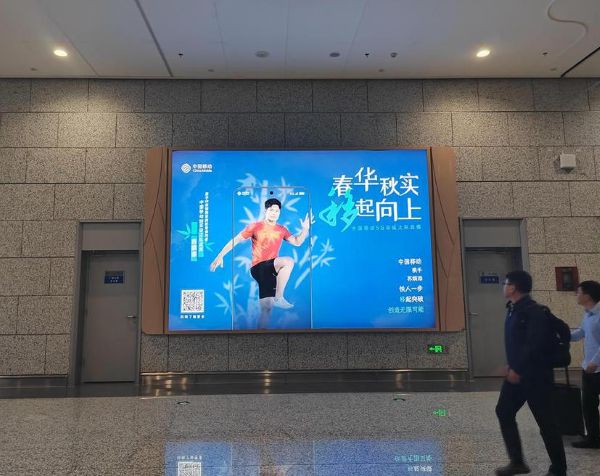
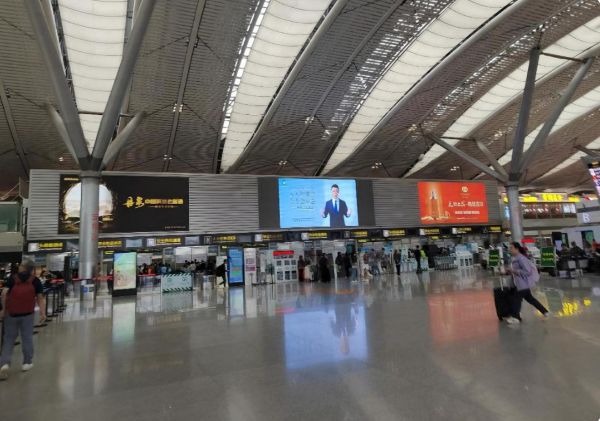
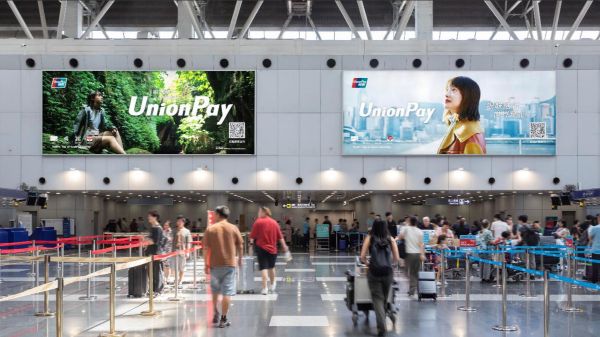
The screens are located along the core thoroughfare that all international‑departure passengers must pass through, constituting high‑value dominant combined light‑box media at the gateway airport. Media spots are distributed along the central aisles of the international check‑in islands and check‑in queuing areas, fully covering the entire passenger journey: entering the hall, completing check‑in, checking baggage and queuing. They achieve 100% reach of all international‑departure passengers in T3, while also covering some seeing‑off escorts, serving as the first brand‑exposure touchpoint in the international departure process.
The hall sees abundant static dwell behaviours including queuing, baggage sorting and group gatherings. Free from rush‑related anxiety, passengers have sufficient dwell time and high willingness to receive information. Each client exclusively occupies static light‑boxes with no multi‑brand rotation or visual interference. Brand visuals are displayed steadily throughout the day. This pure, long‑term exposure model completely avoids the pain points of fragmented exposure and shallow memory associated with dynamic screens, enabling brand messages to be deeply embedded in audience perception.
By delivering brand information during passengers’ pre‑travel preparation phase (check‑in), it captures the primary touchpoint for consumption decision‑making, delivering a 40% higher advertising conversion rate than conventional commercial‑district media. Passengers are mostly core members of society; each individual can influence the consumption decisions of 25‑30 people on average, generating secondary communication effects. No matter which check‑in island passengers use or how they move within the hall, they will encounter the same brand’s advertising visuals multiple times.
The Premier Suite consists of multi‑spot integrated media in the terminal hall. Instead of relying on a single light box, it is deployed across key locations along main passageways, both sides of check‑in islands and waiting areas. It creates a cohesive and unified brand visual matrix within the spacious, high‑ceilinged hall. Featuring exquisite craftsmanship, even brightness and powerful colour reproduction of visuals, the light boxes elevate brand texture in high‑end public interior environments. A full‑suite campaign enables differentiation from competing brands within the zone and builds a home‑field brand atmosphere.
With an annual passenger throughput of 70.76 million, the international departure audience mainly comprises business executives, high‑end outbound tourists and international political and business figures. Passengers spend ample time checking in and waiting in the check‑in hall, allowing repeated exposure to advertisements to reinforce brand recall. Its multi‑location network layout covers the full passenger journey including check‑in, waiting and transit, greatly boosting advertisement reach probability and exposure frequency.
Leveraging the extensive international route network of Capital Airport Terminal 3, this media delivers brand exposure not only to local Beijing audiences but also to transfer passengers from across China departing for overseas destinations. As a top‑tier airport media product, it carries a high entry threshold yet boasts scarce placements, precisely targeted audiences and an irreplaceable scenario. It can rapidly elevate a brand’s national and even international positioning, deliver "national gateway‑level" brand endorsement, and bring substantial brand premium and communication returns.