
- Photos
- Specs
- Advantages
- Value
- Media Map
| Area:Hangzhou | Type:Metro | Frequency:0 |
| Address:Line 1/5 | Format:Light box | Duration:0 |
| Location:Line 1/5 | Min Qty:8 | Operating Time:0-24o'clock |
| Size:3m×1.5m | Min Period:4week |
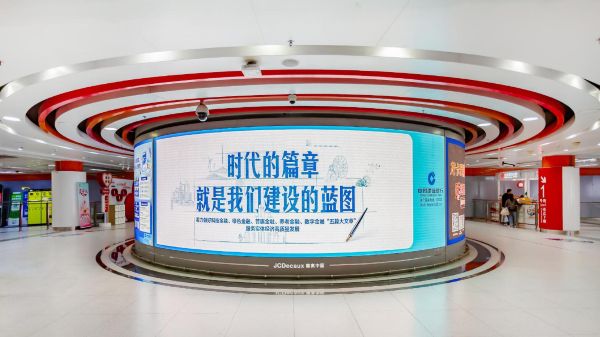
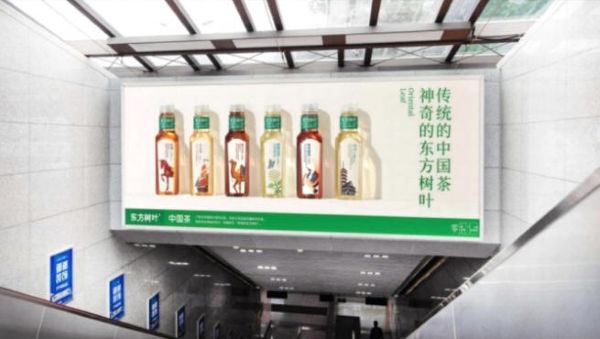
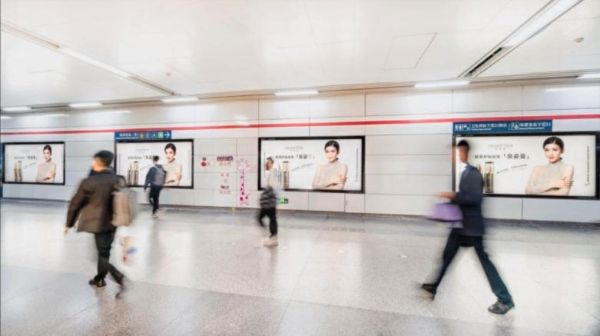
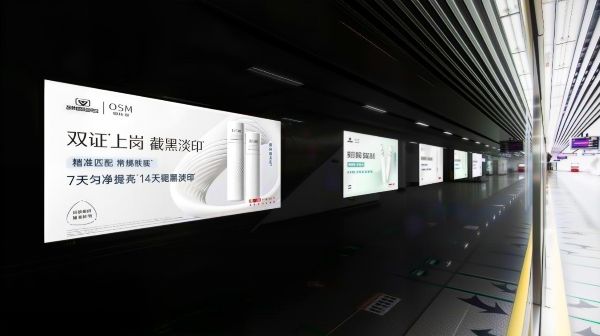
Boasting an extra-large format of 3m×1.5m, it delivers broad visual field. In the enclosed underground communication environment free from natural light interference, it features accurate color reproduction and premium imaging texture, with far stronger visual expressiveness than standard small light boxes. The media is installed at a height matching people’s horizontal line of sight, offering passengers favorable viewing distance and comfortable visual experience. It supports independent advertisement placement on a single unit and combined placement of multiple units in rows, enabling flexible creation of exquisite single-point visuals or creative full-line brand corridors with excellent practicability.
The enclosed metro commuting environment creates natural compulsory exposure. Passengers spend sufficient time waiting for trains, entering/exiting stations and transferring. Daily repeated commuting enables frequent repeated brand exposure, continuously strengthening brand memory and overcoming the communication drawbacks of fragmented online information streams. The audience mainly consists of urban white-collar workers and business people aged 22–48 with higher income and stronger consumption willingness, making it suitable for brand promotion of mainstream sectors including new energy vehicles, high-end real estate, finance, cultural tourism and premium consumer goods.
While waiting statically or walking on platforms, passengers’ eyes naturally turn to the track-side light boxes. Free from ad blockage and information stream distractions, the complete ad viewing rate exceeds 90%, much higher than the average 30% click-through rate of online advertisements. Commuters take the metro 1 to 2 times per day, and an individual may view the ads 12–18 times within four weeks, building imperceptible brand awareness. Large groups of cultural tourism visitors bring massive exposure opportunities for brands.
While passengers wait for trains or move through stations, they cannot avoid seeing the advertisements. Such "compulsory exposure" within the physical environment means the ads cannot be swiped away or skipped. This delivers an extremely high advertisement reach rate and strong brand recall. In addition, the ads can immediately connect to offline consumption scenarios after passengers exit stations. This short link of "online exposure to offline conversion" can greatly shorten consumers’ decision-making cycle and effectively boost brands’ commercial conversion.
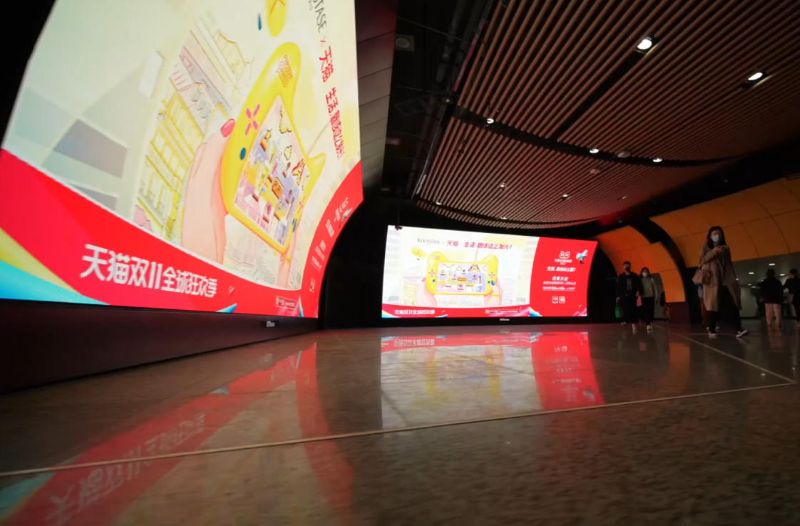
Advertising locations are precisely arranged along prime traffic routes at all S-tier stations, including main concourse passages, escalator thoroughfares, waiting platforms and core transfer areas. These form the only travel routes for passengers entering, exiting, waiting for trains and transferring. Leveraging the naturally enclosed, low-interference communication environment of metro systems, passengers spend substantial dwell time and commute frequently every day. This creates high-frequency, compulsory and continuous brand memory penetration, overcoming the drawbacks of fragmented online communication to achieve in-depth mental engagement with target audiences.
Located at core stations serving urban transport hubs, established business districts and industrial clusters, platform advertising spaces reach both waiting passengers and riders aboard moving trains to achieve dual audience coverage. They deliver far stronger visual impact than small and medium-sized print media. Supported by massive passenger flows across two metro lines, these locations offer extensive exposure, access to high-end audience groups and powerful brand influence. They serve as benchmark communication vehicles for brands to build city-wide visibility, launch premium marketing campaigns and spark regional popularity.