
- Photos
- Specs
- Advantages
- Value
- Media Map
| Area:Beijing | Type:Metro | Frequency:0 |
| Address:Capital University of Economics and Business | Format:Light box | Duration:0 |
| Location:Station Hall | Min Qty:10 | Operating Time:0-24o'clock |
| Size:16.8㎡ | Min Period:4week |
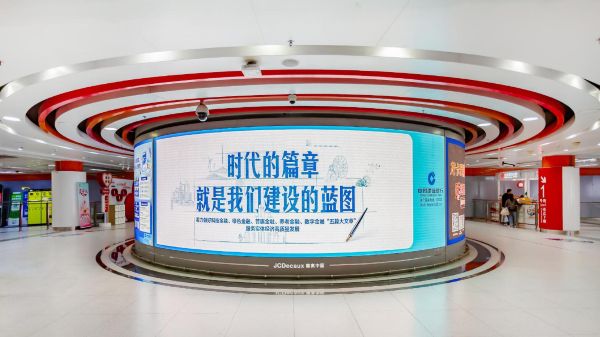
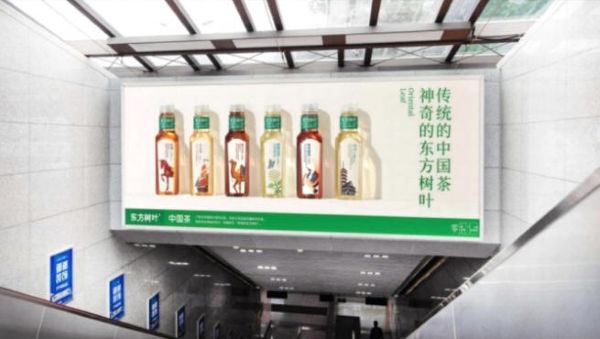
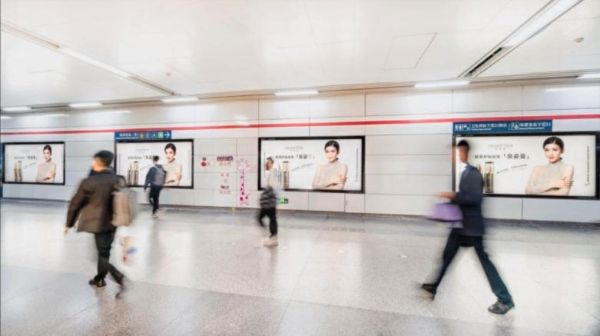
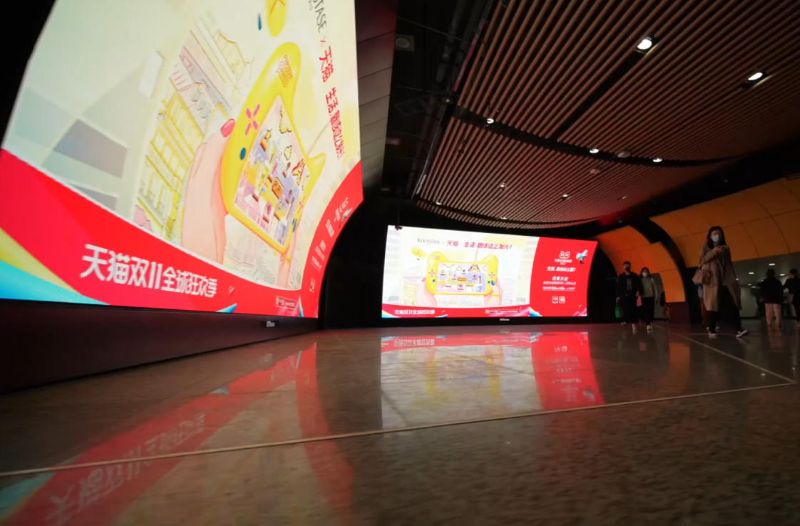
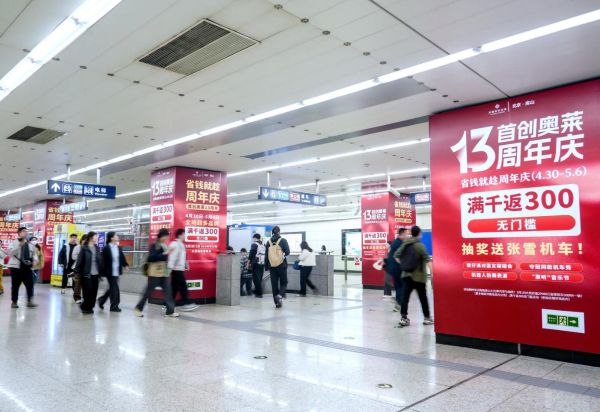
The advertising installations cover three core passenger flow zones across the entire main concourse of Line 10, including the entry and exit routes of fare gates, the escalator interchanges between Line 10 and Fangshan Line, and the diverging passageways at station entrances and exits. These are mandatory spots for passengers to enter, exit, transfer and buy tickets. Unobstructed by walls, equipment or guide railings, the advertisements are visible from all 360-degree angles. The media screens stay illuminated throughout the full daily operating hours of the metro, delivering consistent exposure for nearly 18 hours. Advertisement visuals can be clearly seen by morning and evening rush hour commuters as well as night transit passengers.
Within the relatively enclosed space of a metro station, passengers are essentially forced to view the advertisements. Regular daily commuters pass through the concourse repeatedly, and such high-frequency repeated exposure can significantly deepen consumers' brand impressions. The advertisements are usually wrapped around support columns in spacious concourse areas, standing 2 to 4 meters tall to create a grand and imposing visual impact.
Columns naturally serve as visual focal points in the enclosed passenger gathering concourse. Passengers’ gazes naturally linger on them while walking or waiting to transfer, with an average dwell time exceeding one minute. Free from visual obstructions such as outdoor traffic or buildings, they achieve a nearly 100% visual reach. The interchange of two lines generates balanced tidal passenger flows: inbound commuters fill the station during morning rush hours, while residents travel back to residential areas in the evening rush. On weekends, ample passenger flows consist of students and local residents with no obvious gaps in foot traffic. Long-term advertising placements build high-frequency recurring brand memory and deliver extremely strong penetration into local audiences.
The 360° wrapped pillar advertisements in station halls are scarce core three-dimensional advertising spaces inside subway stations, with limited large-format visual media available in the same area. Once placed, the brand exclusively occupies the core visual focal point of the station hall, significantly reducing audience diversion caused by competitors’ ads. Passengers entering, exiting and transferring every day view the advertisements 3 to 5 times repeatedly; such high-frequency repeated exposure greatly boosts advertising conversion efficiency. Long-term placement delivers a steady passenger flow base and sustained exposure benefits.
In this enclosed environment free of external distractions, advertising messages form "subconscious memory" through repeated exposure, lifting brand recognition by 27 percentage points. In low-cognitive-load scenarios such as waiting for trains, transferring and finding directions, passengers’ eyes naturally gravitate toward pillar ads, yielding a reach rate of over 90%. The wrapped pillar design covers all passageways in the station hall, catching passengers’ sightlines from any angle to achieve comprehensive, unavoidable ad exposure.
Three-dimensional wrapped pillar ads in station halls represent scarce core media resources within subway stations, and large three-dimensional advertising positions are limited in the surrounding area. After placement, the brand secures exclusive use of the core visual zone, minimizing visual competition with rival advertisements. Its media advantages are embodied in high-density commuter passenger flow, mandatory 360° exposure, precise outreach to college student groups, low CPM with strong brand memorability, and high compatibility with urban public spaces. It serves as a high-value media vehicle targeting educational, consumer and business populations in southwest Beijing.