
- Photos
- Specs
- Advantages
- Value
- Media Map
| Area:International | Type:Outdoors | Frequency:100 |
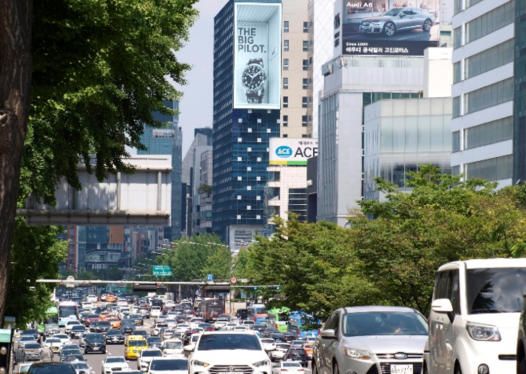
| Address:Dosan-daero, Seolleung Island Mountain | Format:large screen | Duration:30s |
| Location:Dosan-daero, Seolleung Island Mountain | Min Qty:1 | Operating Time:0-24o'clock |
| Size:10米*22.1米 | Min Period:week |
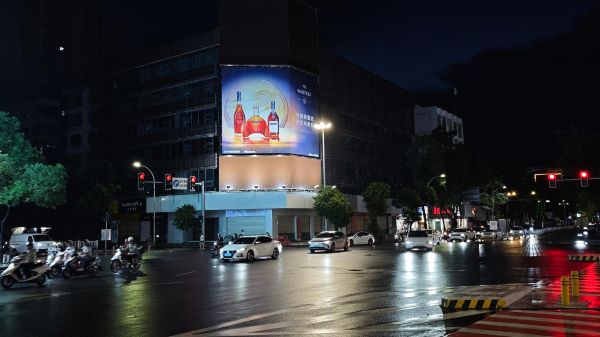
Dosan-daero, due to its high-end positioning and commercial value, has become an important outdoor advertising area in South Korea. It is an ideal location for brand display and marketing, especially for advertising targeting high-end consumers and international tourists. Dosan-daero is one of the most popular advertising screen locations in Seoul, surrounded by numerous international brand flagship stores, upscale restaurants, art centers, and aesthetic medical institutions.As a main traffic artery in the core area of Cheongdam-dong, it is a significant area for high-end commercial and cultural activities in Seoul. Gangnam District is the financial, fashion, and technology center of Seoul, with a dense flow of people, significant commercial value, and high screen exposure potential. It is suitable for commercial advertising, brand promotion, and public information display, targeting high-consumption groups and international tourists.Located in the prime area of Cheongdam-dong in Gangnam District, Seoul, Dosan-daero is an important zone for high-end commercial and cultural activities. Serving as a main traffic artery in Cheongdam-dong, it connects several high-end commercial areas and transportation hubs. The daily traffic volume exceeds 160,000 vehicles, with heavy and slow-moving traffic. It is near Apgujeong Rodeo Street and leads toward Heog-dong Station and Sinsa Station to the intersection.With its prime geographical location, high vehicle flow, affluent consumer base, and premium media characteristics, it has become an ideal advertising location for Seoul’s high-end brands. It is particularly suitable for targeted advertising for luxury goods, high-end beauty products, and fashion brands.
As the core commercial axis of the Gangnam District, its screen facilities are characterized by international brand exposure and the integration of art and culture, creating a unique ecosystem that emphasizes both high-end commerce and cultural experiences. Located at the intersection of Daoshan Avenue and Sinsa-dong Boulevard, it experiences an average daily foot traffic of 160,000 people and a vehicular flow of 100,000. It is adjacent to Exit 7 of Sinsa Station on Subway Line 3 and serves as a golden node connecting Cheongdam-dong Luxury Street and Apgujeong Rodeo Street.For brands, this location offers solutions for precise engagement with high-net-worth individuals and immersive experiences. For visitors, it is not only a landmark for shopping and entertainment but also a window to experience the fusion of contemporary Korean art and technology. This model of commerce empowering culture and culture reinforcing commerce serves as a referable example for screen operations in high-end commercial districts.By combining prime location, technological innovation, and cultural empowerment, a unique urban media ecosystem has been established. Its advantage lies in transforming the commercial value of Gangnam District into brand experience value. Through immersive interactions and content innovation, it creates a differentiated path of commercial and cultural co-existence in the competitive high-end commercial district. For brands, it provides solutions for precise engagement with high-net-worth individuals and immersive experiences; for visitors, it is both a landmark for shopping and entertainment and a window to experience the fusion of contemporary Korean art and technology.The surrounding area clusters international brand flagship stores such as Gucci and Rolex, primarily attracting local high-income consumers and high-end international tourists, whose purchasing power is significantly higher than the tourist population in Myeong-dong. It draws 200,000 visitors annually, 40% of whom are foreign visitors, achieving dual engagement with both culture and commerce.