
- Photos
- Specs
- Advantages
- Value
- Media Map
| Area:Tianjin | Type:Outdoors | Frequency:120 |
| Address:Intersection of Wanhui Road and Fujin Avenue, Xiqing District | Format:led | Duration:15s |
| Location:Xiqing Joy City | Min Qty:1 | Operating Time:0-24o'clock |
| Size:40.32m(W)X18.24 m(H)=735.44㎡ | Min Period:week |
With its advanced technology, high passenger traffic, commercial potential, efficient advertising effectiveness, and strong event marketing capabilities, it has become an ideal city for brand advertising. The 'city name card' effect further enhances its market competitiveness. Through advertising and event marketing, it achieves both brand and commercial value improvement. Although the hardware and installation maintenance costs are relatively high, the high traffic flow and commercial activities provide considerable return on investment.
Combining precise location layout, immersive technology experiences, and diverse content operations, it has become a phenomenon-level commercial landmark in Xiqing District and even in Tianjin City. With a daily reach of 150,000 visitors, flexible advertising customization options, and city culture dissemination value, it provides brands with a full-chain solution from image building to effect conversion. Whether for local brands deepening in the regional market or national brands expanding in North China, this screen can maximize advertising effectiveness through both technology and scenario empowerment.
Located in the core business district of Zhongbei Town, Xiqing District, it is adjacent to Caozhuang Station on Metro Line 2 and multiple bus route hubs. Within a one-kilometer radius are large commercial complexes such as Aeon Mall and IKEA, with a daily foot traffic exceeding 150,000. As an important supporting facility of Tianjin South Station Technology and Business District, the screen reaches visitors from the Beijing-Tianjin-Hebei region and the Northeast, with an annual cumulative reach of over 50 million people.
It covers shopping peaks, weekends, and holiday traffic peaks. Audience types include families, young trendsetters, and business professionals, with clearly stratified spending capacity, making it suitable for advertising in various industries such as automobile, fast-moving consumer goods, and cultural tourism. For example, showcasing the Tianjin-to-Beijing driving route has increased test drive appointments by 300% week on week.
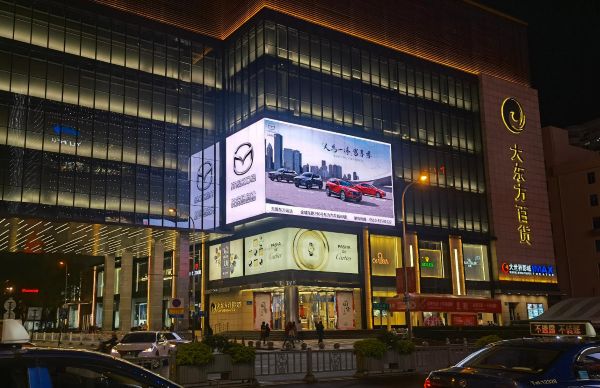
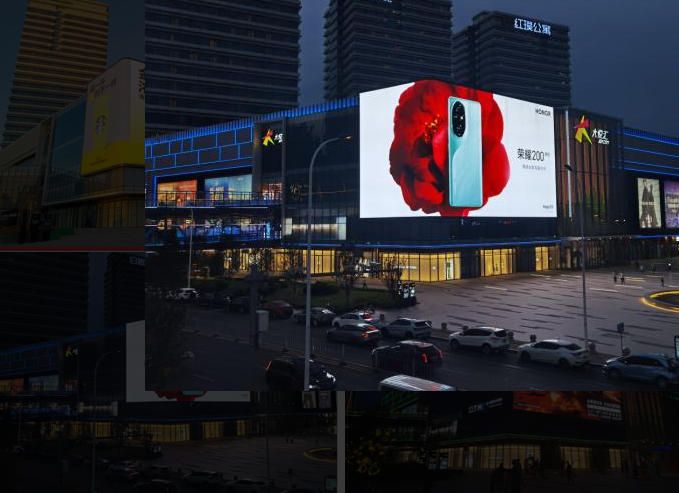
Located on the exterior wall of Tianjin Xiqing Joy City Building A, it is the first Joy City in northern China and a milestone project in the Grand Canal Business and Tourism Cultural Belt. Surrounded by the Grand Canal Cultural Tourism Area, IKEA, New City Plaza, Tianjin Oriental Global Movie Park, and Caozhuang Flower Market, it serves as the largest naked-eye 3D screen in North China. Using ultra-high-definition video technology, it creates a naked-eye 3D audiovisual feast, lighting up a new city landmark.
The media serves as a high-value advertising platform targeting Tianjin and surrounding areas, particularly suitable for brands aiming at family and young consumer groups for long-term campaigns. It can effectively enhance brand exposure, reputation, and conversion rates, covering high-spending audiences in Xiqing District and nearby areas, with audience characteristics closely matching the brand's target consumers.
As a regional internet-famous check-in spot, it attracts a large number of consumers for photography and social sharing, driving traffic to surrounding dining and retail establishments. It plays brand advertisements, city promotional videos, and artistic animations, offering customized content in conjunction with mall activities, such as the Oriental Marvelous Night themed light show during the opening period.
The media has surpassed the functions of traditional advertising platforms, becoming a trinity of city cultural symbol, brand experience center, and social viral engine. Its advantages lie not only in hardware scale and technical parameters but also in continuously creating emotional resonance among people, goods, and venues through precise scene integration, local cultural empowerment, and frequent content iterations. It provides a replicable model for the digital transformation of commercial real estate.