
- Photos
- Specs
- Advantages
- Value
- Media Map
| Area:Chongqing | Type:Outdoors | Frequency:120 |
| Address:No. 174, Changjiang Second Road, Yuzhong District | Format:led | Duration:15s |
| Location:Times Tianjie Building C Main Atrium | Min Qty:1 | Operating Time:0-24o'clock |
| Size:\ | Min Period:month |
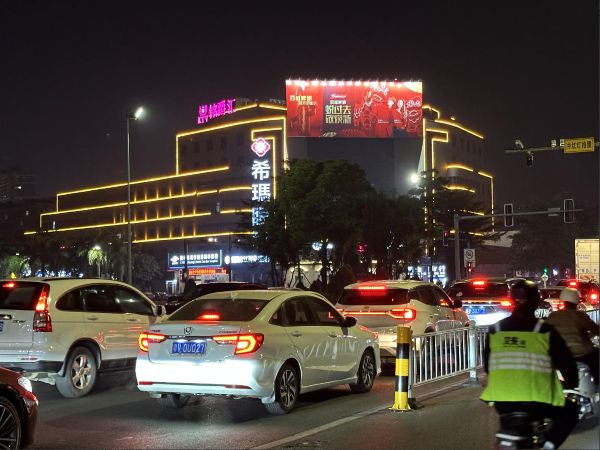
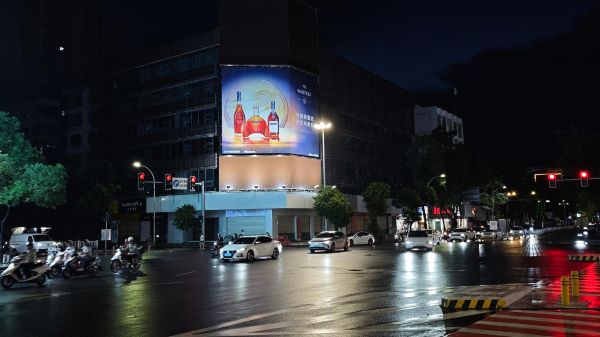
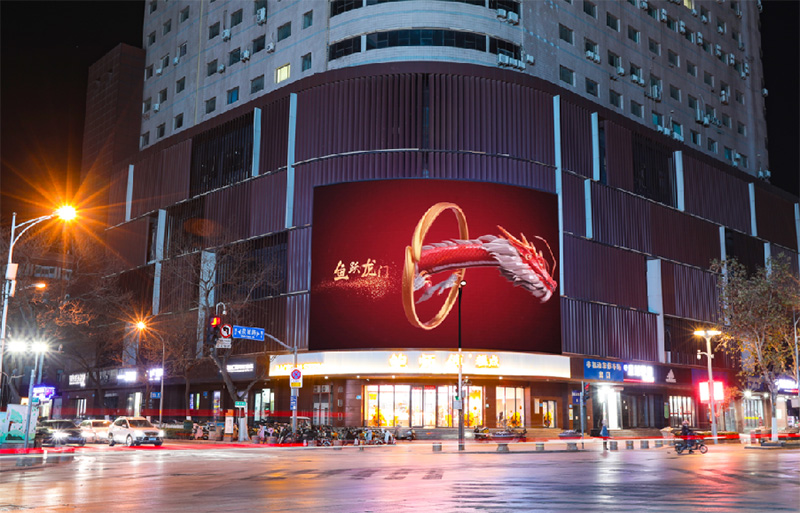
As a landmark feature in the urban canyon atrium, it is one of Chongqing's most representative commercial landmarks. Surrounded by Metro Line 1, Light Rail Line 2, and nearly a hundred bus routes, it enjoys convenient transportation and attracts high-spending consumers from the surrounding areas and across Chongqing. The venue hosts large crowds who frequently spend, integrating dining, entertainment, shopping, and leisure into one comprehensive consumption scene that covers consumers of all age groups. With its unique location, large scale, high foot traffic, and rich commercial ecosystem, LED media has become a prime spot for outdoor advertising in Chongqing, making it an ideal choice for brands to increase awareness and attract target audiences. Times Tianjie sees an average daily foot traffic of 325,000 people, with Hall C as the core area directly receiving the daily flow of 483,100 passengers from the Daping Station on Light Rail Line 2.LED media, with its ability to precisely reach high traffic, immersive scene design, support from commercial operation data, and successful case endorsements, has become a high-value advertising medium within the business district, particularly suitable for business collaborations that focus on conversion efficiency and brand positioning. With continuous advancements in LED technology, it is expected that more advanced display technologies will be introduced in the future, such as higher-resolution screens and smarter interactive features to enhance user experience.Located on the main passage of Hall C, it covers over 720,000 people and vehicular traffic daily, precisely reaching family customers, white-collar workers, and young consumers, making it a high-value communication medium in Chongqing's core business district. The entire Longfor Times Tianjie complex has a total commercial volume of 600,000 square meters, making it one of the largest single shopping centers in Asia with rich consumption scenarios.
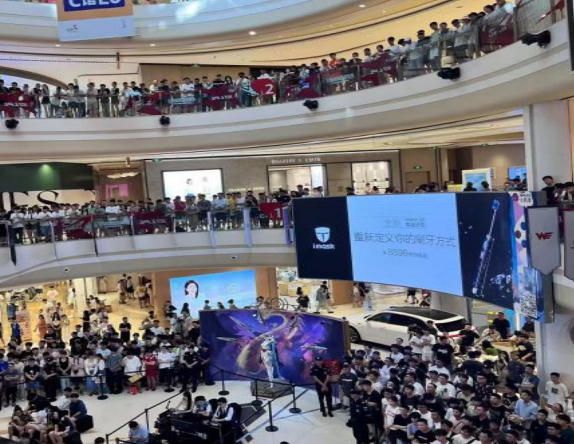
As the visual centerpiece of Hall C, the screen is primarily used to display brand advertisements, event previews, public service announcements, and artistic content, while also serving functions of information dissemination and atmosphere creation. It supports large-scale events such as mall promotions, celebrity meet-and-greets, and holiday celebrations by broadcasting dynamic content in real-time, attracting foot traffic and enhancing visitor engagement. Visitors can view the screen for free, with the best viewing spots located in the atrium circular corridor and the main first-floor passageway.Located at the intersection of the core traffic flow of Longfor Times Tianjie, a 600,000-square-meter commercial complex, it reaches over 720,000 visitors daily, including both vehicle and pedestrian traffic. The project is adjacent to the transfer stations of Metro Lines 1, 2, and 5, surrounded by major urban roads, forming a three-dimensional rail-and-road transportation network that precisely reaches consumers across the city.Longfor Times Tianjie integrates nine urban functions including shopping, dining, entertainment, family activities, and office spaces, offering diverse consumption scenarios that cover families, white-collar workers, and young consumers of all ages. Located in the Daping business district, a traditional commercial center of Chongqing, it boasts high shopping frequency and stable spending per customer, providing advertisers with high-value promotional opportunities.Through four-dimensional synergy of technical strength, locational advantage, interactive innovation, and operational integration, it has built a commercial communication ecosystem with high exposure, strong interaction, and deep conversion. Its advantages lie not only in physical parameters and traffic value but also in using technology and scene reconstruction to transform traditional advertising screens into experiential media and traffic entry points, offering brands a full-chain marketing solution from awareness to action.