Comprehensive Guide to Airport Advertising Package in 2026: Policies, Quotations, and Negotiation Strategies
2026-01-27Tianci MediaViews:208
Highlights
What are the new changes in the annual cooperation of airport advertising packages in 2026? This article is based on the current market, deeply analyzing the specific forms, cost-effectiveness, and latest negotiation points of the package year, and providing authoritative decision-making frameworks using Capital Airport and Daxing Airport as examples. Get cutting-edge strategies now!
Entering the terminal in 2026, digital interactive screens, precise facial recognition advertisements, and dynamic content linked to flight information are reshaping the face of airport media. For brands, airports remain the golden battlefield for reaching high net worth and high influence audiences. But when you inquire, a core question remains crucial: can airport advertising still be guaranteed for a year in the current market environment? How to operate to ensure investment return?
The answer is clear: not only can, but the annual package model will become more flexible and intelligent by 2026. However, the simple "pay and occupy" mindset is outdated. Today's annual package is a strategic negotiation about "data insights," "dynamic equity," and "long-term value. This article will provide you with the ultimate decision-making guide that aligns with current market practices.

Redefining 'Package Year': Evolution of Cooperation Models in 2026
The "package year" of 2026 has evolved from a single media rental to a long-term strategic partnership. The core modes mainly include the following two types:
1. Long term franchise rights for core locations
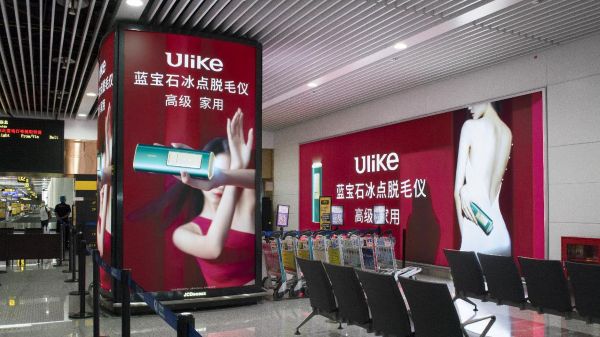
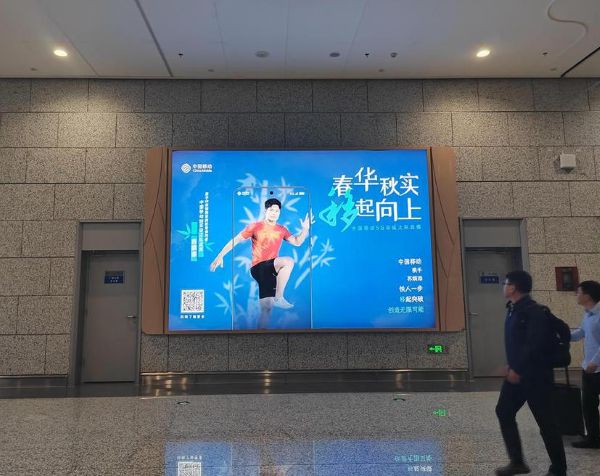
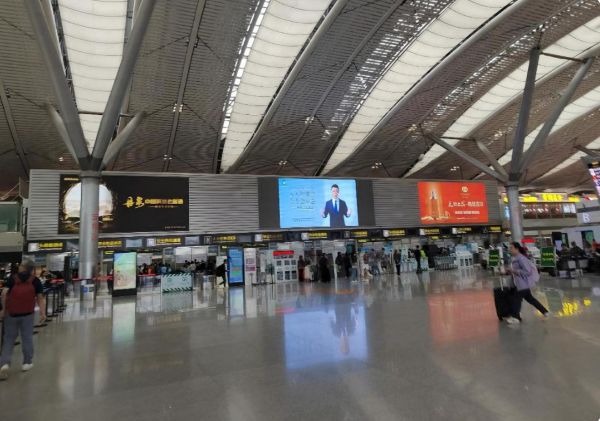
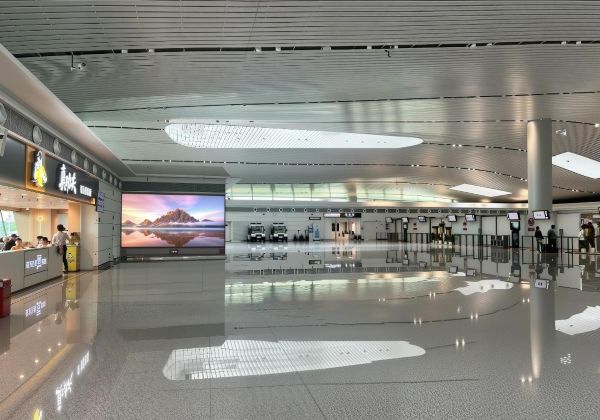
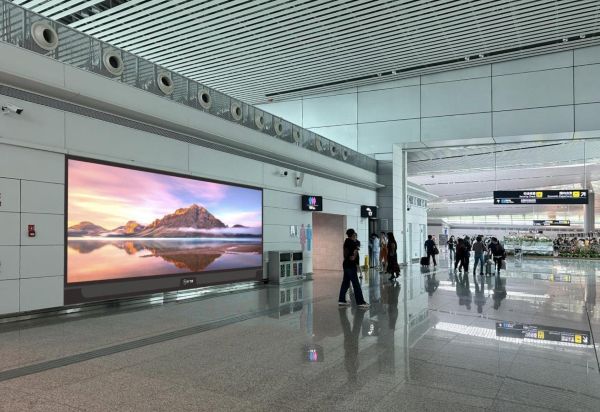
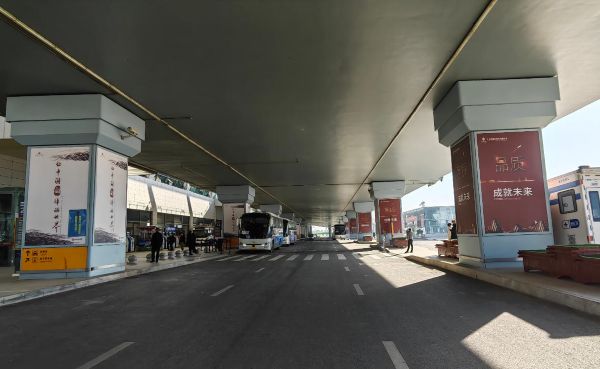
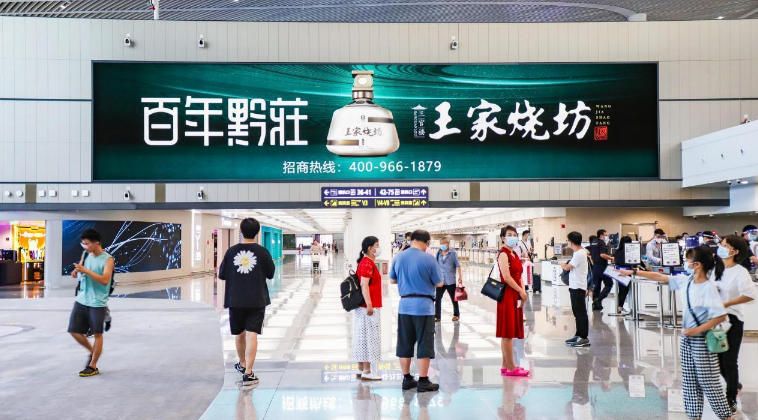
The brand has secured exclusive display rights for scarce resources such as the T3 "Guomen Corridor" lightbox group at Capital Airport and the LED giant screen in the international departure core atrium of Daxing Airport by signing long-term agreements with airport media operators (such as Yashiwei, Di'an Double Creation, etc.) or airport authorities for 1-3 years. The contract usually includes fixed annual fees and clear service standards (SLA).
2. Data driven annual integrated marketing framework
This is the model currently favored by leading brands. The brand and media sign an integration agreement on an annual basis, which includes fixed resources, flexible resources, and data services. For example, the agreement stipulates that a certain area of lightboxes will be locked in annually, accompanied by a certain amount of programmed digital screen exposure (which can be dynamically adjusted based on flight passenger flow and user profiles), and quarterly passenger flow analysis reports will be attached. This model is particularly widely used in highly digitized new hubs such as Daxing Airport.
Deep weighing of annual decision-making in 2026: new opportunities and new challenges
Core advantages of choosing a package year (2026 perspective)
1. Cost certainty and hedging against inflationary pressures
Under the market expectation of a moderate increase in media costs year by year, signing a long-term contract for 2026-2027 essentially locks in future prices and can effectively hedge against budget erosion caused by inflation. For brands with medium to long-term plans, this provides valuable financial certainty.
2. Deeply bind data and innovation rights
In today's annual cooperation, media outlets are more willing to share in-depth data insights (such as anonymized passenger profiles and peak flow analysis) in order to maintain long-term customers. You may therefore have the right to test new advertising forms (such as AR interactive screens) first, or enjoy priority cooperation in holiday themed marketing at the Capital Airport, with hidden value far exceeding the discount itself.
3. Building the 'mental assets' of the brand scene
In the era of information fragmentation, continuously occupying a stable, high-end, and closed physical scene is an irreplaceable brand asset. The year long display has made the brand a part of the scene, deeply tied to keywords such as "travel", "international", "quality", etc., achieving long-term cognitive positioning.
Risks and challenges to be cautious of in 2026
1. Lack of flexibility and lagging market response
Signing a dead contract means that the brand needs to predict the market one year in advance. If there is a drastic change in the industry or a sudden shift in the brand's own strategy, fixed advertising content and placement may not be able to respond in a timely manner, becoming sunk costs.
2. Extremely high requirements for creativity and content operation capabilities
The static display mode for one year has been phased out. The annual contract requires brands to have strong content middleware capabilities, able to plan and produce high-quality creative materials that match the season and hot topics on a quarterly or even monthly basis, otherwise the advertising effect will sharply decrease over time.
3. The pressure brought by the measurement of digital effects
With the digitization of airport media, the ambiguity of advertising effectiveness is decreasing. The media may provide basic exposure and interaction data. This means that a more scientific attribution model is also needed to evaluate the "brand effect" of annual advertising, which puts forward new requirements for the brand's market analysis ability.
2026 Four Step Decision Making Process: From Evaluation to Contract Signing
Step 1: Strategic self-assessment and resource audit
Firstly, ask yourself: Is the brand's strategy for the next 2-3 years clear? Is there any data to support the matching degree between the target customer group and airport passengers? Can the company's creative and content production capacity support continuous output for up to a year? This is the cornerstone of decision-making.
Step 2: Precise goal setting and resource research
The goal is to establish a flagship image by selecting the core and fixed locations of gateway hubs such as the Capital Airport for a yearly package.
The goal is to "influence specific airline passengers": a media package year plan can be studied for the boarding gate area of a certain international route at Daxing Airport.
The goal is to combine quality and efficiency: it is necessary to choose a "fixed+flexible" annual framework agreement that includes digital screens and interactive media.
Step 3: Data based on-site verification and scheme evaluation
Data verification: The media is required to provide actual passenger flow data and crowd analysis reports for the location in 2025, rather than relying solely on estimates.
Dynamic survey: Visit the site multiple times on different dates and during different time periods (such as weekday rush hour vs. Saturday afternoon) to evaluate the actual atmosphere and passenger status.
Technical survey: For digital media, it is necessary to understand its system refresh rate, supported file formats, and the convenience of content replacement (whether it supports remote uploading).
Step 4: Contract negotiations focused on future value
The focus of negotiations in 2026 has shifted from discounts to value added:
Clearly define the data deliverables: specify the specific format and content dimensions of quarterly or semi annual data reports in the contract.
Agreed content replacement mechanism: Clearly define the number of times creative ideas can be replaced within the year, the process, and whether emergency publication is supported (such as in response to public relations events).
Strive for the right to innovate and experiment: Attempt to include "priority cooperation clauses" to provide a window for brands to experience new media resources at the airport.
Negotiate exit or change mechanism: Explore the possibility of partial resource discount exchange or conversion in extreme situations to increase contract flexibility.
Three cognitive misconceptions that must be avoided in 2026
Misconception 1: Believing that "annual package is the cheapest choice"
The price advantage of annual package still exists, but it is no longer the only consideration. It is necessary to comprehensively calculate the "total cost of ownership", including hidden costs such as content production, personnel management, and data monitoring. Sometimes, flexible quarterly combination advertising may have higher overall efficiency.
Misconception 2: Signing a 'static contract' and ignoring technical iterations
In the contract, the responsibility for maintaining and upgrading media hardware must be clearly defined. For example, if the LED screen at that location is upgraded from P4 to P2 during the signing period, there should be an agreement on the clarity standards of the advertising image and whether the brand needs to remake the materials.
Misconception 3: Treating annual contracts as purely media procurement
In 2026, a successful airport advertising package year cooperation should be seen as the construction of a "brand scenario asset" and the opening of a "strategic media partnership". It requires the collaborative operation of marketing, public relations, creative, and even CRM departments, rather than just being completed by the procurement department.
Conclusion: Direct recommendations for brand owners in 2026
Returning to the original question: Can airport advertising be guaranteed for the year 2026? Sure, but it has evolved into a strategic investment that requires precise calculations.
For enterprises that strive to consolidate their top brand position or are determined to explore the international high-end market, offering core location packages at super hubs such as the Capital Airport remains a powerful means of establishing brand "landmarks". Please ensure that the supporting plan is updated with top-notch creativity and content.
For brands that focus on agility, pursue synergy between product and efficiency, or are on the rise, it is strongly recommended to adopt the model of "annual framework agreement+digital flexible advertising". We can take Daxing Airport as a pilot and utilize its digital infrastructure to lock in a basic location with a small budget every year, and then combine it with programmatic purchases for incremental outreach and effect testing, in order to accumulate our own airport advertising database.
In 2026, the final criterion for deciding whether to package a year is not "whether it is possible", but "whether it matches". It must be deeply matched with your brand strategy cycle, content production capacity, and data analysis capabilities. Only in this way can you truly transform this investment from a 'media expense' into a 'scene asset' for your brand.