Outdoor Advertising Playbook: Data-Driven Precision and Cross-Media Combos
2026-08-07Tianci MediaViews:15
Highlights
Outdoor advertising is shifting from "buying a board" to "buying an audience." This guide uses a data-driven, cross-media lens to explain how outdoor reaches the right people, how it teams up with other channels, and how to time and measure it — turning impressions into trackable growth.
1. Medium traits and audience mindset (why it works)
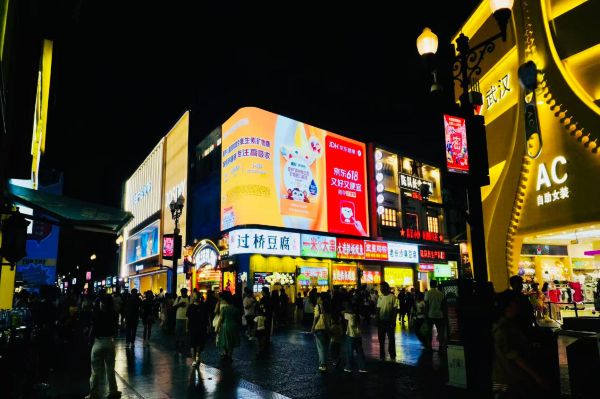
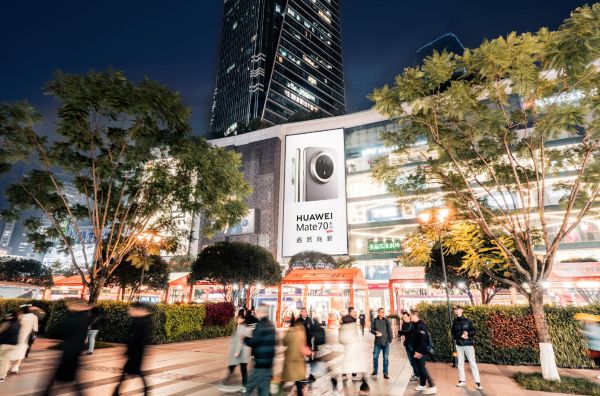
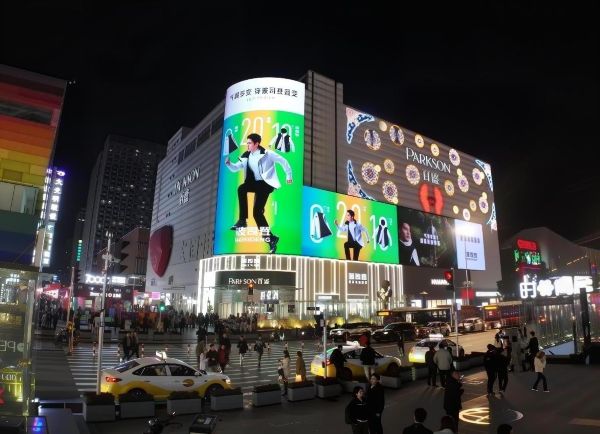
Outdoor is a mix of passive attention and high trust. When commuting, waiting, or strolling, people's attention is relaxed; big visuals, strong color, and short copy get captured unconsciously. Outdoor also reads as "public-space brand endorsement," more trusted than feeds. Psychologically, repeated physical exposure builds memory anchors (mere-exposure effect) — a unique mind-share advantage.
2. Audience profiles and data-driven site logic
Site selection should not rely on gut feel. Tag your target (age, spending power, interests, places), then use footfall data, heatmaps, and location data to map "high-density life circles." A baby brand targets maternity hospitals, playgrounds, community gates; a tea brand targets offices, malls, campuses. Logic = density × frequency × dwell time.
3. Programmatic and dynamic buying (pDOOH)
Programmatic DOOH lets a billboard "play to the audience." Connect a DSP to weather, time, traffic, even mall footfall, and swap creatives: hot drinks on rainy days, dinner near home at rush hour, purifiers on smoggy days. Smaller budgets use programmatic community or elevator screens at CPM — lower entry cost.
4. Creative fit for the medium
Scene decides creative. Highway boards get a 3-second single message; elevator screens get a repeating sell; community screens get a neighborly promo. Rule: big type, high contrast, one benefit. Put QR/mini-program codes on close-range screens, brand name on far-range screens.
5. Cross-media combination strategy
Outdoor is the "awareness amplifier" that hands off to other channels. Typical combo: outdoor seeds awareness → search/feed captures → private domain repurchases; or outdoor + local life (group-buy/maps) drives home and to store. B2B uses airport/rail screens for high-value people, then LinkedIn/official account retargeting. Core: same people, multiple touches, different roles.
6. Seasonal timing and campaign rhythm
Tie spend to moments: back-to-school, Double 11, Spring Festival travel, summer family. Rhythm: "build — peak — tail" — awareness 2 weeks before, max core sites in the week of, tail capture 1 week after. Avoid spreading evenly; concentrate firepower.
7. Measurement and scientific attribution
Three layers: exposure via third-party data or footfall × visibility; behavior via pre/post local search, map navigation, store visits; cognition via brand-search index and aided recall. The cheapest reliable signal is local search + footfall rising together. Use geo-fencing to compare visited vs unvisited zones.
8. Industry playbooks
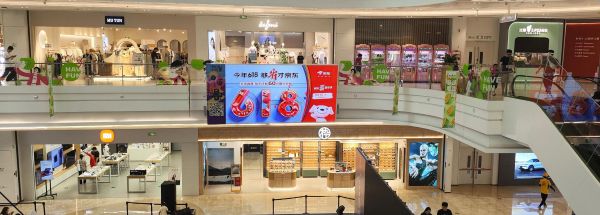
Tea: mall screens + campus + group-buy coupon ("second cup half"); education: community elevator + school flags + trial class; auto: airport highway + mall LED + test-drive. Common thread: scene near the decision, specific CTA, online-offline loop.
9. Common mistakes
Bigger footfall is not automatically better (match density); one creative nationwide fails (localize); comparing only total price ignores CPM; "set and forget" wastes money on blank slots; no attribution means no optimization.
FAQ
Q: Small budget, where to start?
A: Concentrate on 2–3 core sites for a full month rather than spreading thin.
Q: Can outdoor sell directly?
A: Rarely alone, but it lifts search and visits sharply; pair with online capture.
Q: Is pDOOH expensive?
A: Community/elevator programmatic inventory has low entry cost, good for testing.
Summary
Outdoor advertising is "find people with data, say the right thing in scene, capture with combo." Upgrading from scattered impressions to precise reach, outdoor remains hard currency for brand growth.