Outdoor Advertising Playbook: From Planning to Post-Campaign Review
2026-08-06Tianci MediaViews:7
Highlights
Outdoor advertising is not "buy a billboard and you are done." This playbook walks through the full campaign lifecycle — preparation, launch, monitoring, and review — with an acceptance checklist and pitfalls to avoid, so every dollar works harder.
1. What marketing goals outdoor advertising fits
Outdoor excels at three jobs: building awareness, amplifying moments, and driving local foot traffic. New-product launches that need mass visibility, seasonal promotions that need momentum, and local stores that need nearby pull are the best fits. If the goal is pure direct sales, treat outdoor as the "awareness front-end" feeding an online close, not a standalone performance buy. Set the goal before the media.
2. Pre-launch: select, verify, finalize
Three steps. Selection: map your audience's daily life and rank commute, retail, and community touchpoints by audience density. Verification: confirm permits, no obstructions, and a readable environment. Finalization: lock creative 7–10 days out to leave room for production and approval. The classic mistake is last-minute swaps that cause blank slots or rush fees.
3. Launch: schedule, monitor, accept
Scheduling: avoid periods of abnormal footfall from major events or extreme weather. Launch: require posting photos with GPS tags, checked point by point. Monitoring: walk key sites in week one, logging damage, blockage, or misplacement. Acceptance: build a site ledger scored on posting rate, quality, and position accuracy; request re-posting below 95%.
4. Measurement: how to tell it worked
Three layers. Exposure: estimate reach via third-party data or footfall × visibility factor. Behavior: compare pre/post store visits, local brand-search, and map navigation. Cognition: a small post-campaign survey for aided recall. The cheapest reliable signal is local search and foot traffic rising together.
5. Review: recycle the data
A review reconciles the vendor report, your own sales/footfall, and survey results. Flag "high-reach, low-conversion" sites for mismatch, and find what "high-conversion" sites share (e.g., community gates, mall entrances). Bank those as your "priority site library" so each round gets sharper.
6. Industry case studies
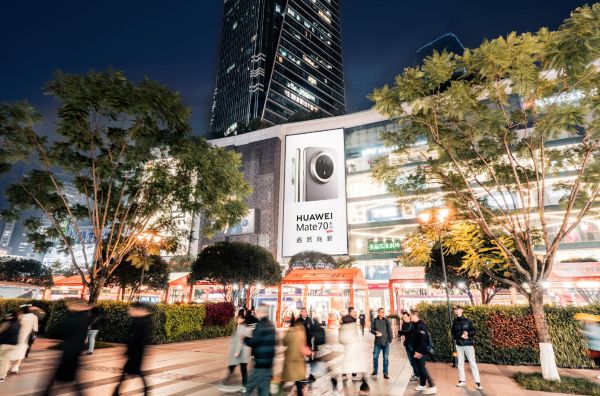
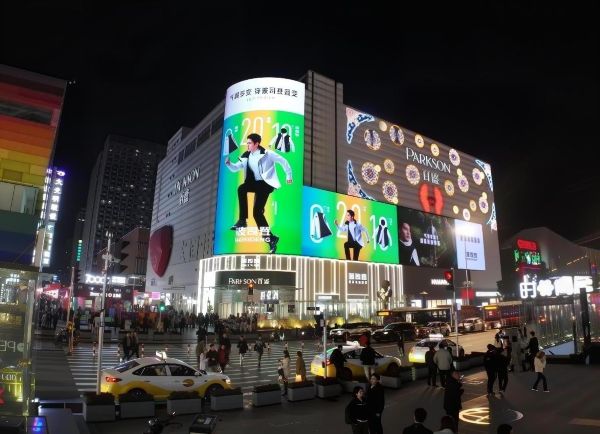
Local dining: community gates + retail lightboxes with "dinner downstairs tonight" lifted off-peak visits +18%. EV brand: highway billboards + mall LEDs with a test-drive offer lifted brand search +42% week over week. Aesthetics clinic: elevator + gate with before/after and an in-store gift beat feeds on consultation rate. Common thread: scene near the decision, specific CTA.
7. Common mistakes
Bigger footfall is not automatically better — match density to target. One creative nationwide fails — localize. Comparing only total price ignores CPM. "Set and forget" without monitoring wastes money on undetected blank slots.
8. Acceptance checklist
- Site ledger and posting photos complete
- Posting rate ≥ 95%, damage/misplacement fixed
- Position and orientation match the contract
- Footfall/search data collected
Priority site library banked from the review
FAQ
Q: Small budget, where to start? A: Concentrate on 2–3 core community/retail sites for a full month rather than spreading thin. Q: How does outdoor pair with online? A: Outdoor seeds awareness and search; online captures with local pages and private domains. Q: When do results show? A: Awareness in 2–4 weeks; foot-traffic lift observable in week one.
Summary
Outdoor advertising is a loop of goal, selection, monitoring, and review. Run the loop well and even a billboard becomes a measurable growth entry point.