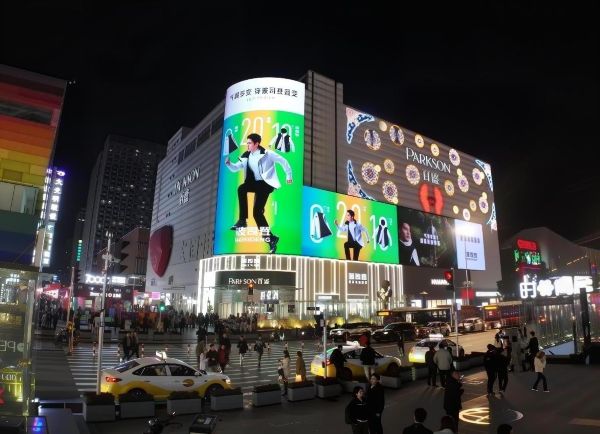
Outdoor Advertising: A Practical Playbook for Citywide Brand Reach
2026-08-05Tianci MediaViews:9
Highlights
Outdoor advertising still owns the one screen consumers cannot swipe away — the city itself. This guide breaks down how modern OOH advertising builds mindshare across the consumer journey and turns everyday commutes into measurable brand moments.
1. Audience Mindshare & Scenario Value
Out-of-home advertising reaches people in motion, outside the clutter of feeds and inboxes. The psychological value is simple: a well-placed outdoor media unit becomes part of the environment, so it feels less like an interruption and more like a landmark. Because viewers are physically present in a real place — a highway, a transit hub, a neighborhood — the message carries local relevance and trusted familiarity. That context is why outdoor advertising works even when the audience is not actively shopping.
2. Consumer Journey: Golden Touchpoints
The outdoor ad campaign earns attention at three recurring moments. First, the commute: billboards and transit posters frame the daily route and build repeated, passive familiarity. Second, the mall and retail district: large-format and digital screens sit at the point of leisure and intent, nudging consideration right before purchase. Third, the community: building wraps, bus shelters, and street furniture keep a brand visible where people live, reinforcing memory between shopping trips. Each touchpoint compounds; the same viewer meets the brand across the day without feeling targeted.
3. Industry Playbooks
- Quick-service restaurants: Goal — drive same-day visits. Message — craving-led, menu hero shot. Format — transit shelter and roadside panels near the trade area.
- Automotive: Goal — build consideration. Message — model silhouette plus one benefit. Format — highway bulletins and mall digital rotations.
- Retail & e-commerce: Goal — seasonal traffic. Message — sale window with location. Format — community street furniture and station dominations.
- Entertainment: Goal — opening-weekend turnout. Message — release date and star pull. Format — large-format city entrances.
Healthcare: Goal — local trust. Message — service line and neighborhood clinic. Format — bus wraps on local routes.
4. Creative That Grabs Attention
Follow the one-message rule: a single idea, read in under three seconds. Keep copy to six words or fewer, let one bold visual carry the weight, and place the brand mark high and large. Color contrast beats decoration. The CTA should be a physical instruction — "Turn left at 5th" or "Visit us this weekend" — not a URL wall. Examples that work: a giant coffee cup on a commuter bridge, a silhouette of a new SUV against a sunrise, a clinic name on the bus a patient rides daily.
5. Designing the Path from Exposure to Conversion
Move from impression to action by pairing the board with a nearby trigger. Use location-specific calls ("Now open on Main St."), sync digital creative with local weather or time of day, and bridge offline to online with a short, memorable hashtag or QR that opens a store locator. The goal is not the click but the store visit and the later search — make the next step obvious and close to where the viewer stands.
6. How to Read Performance (Core Metrics)
Judge an outdoor ad campaign on impressions (reach at the site), footfall lift around promoted locations, and brand search volume after flight dates. Dwell-oriented digital sites also offer viewability and recurrence data. Together these show whether visibility translated into attention and intent.
FAQ
Is outdoor advertising only for big brands? No. Local businesses often win by dominating a single trade area more cheaply than broad digital buys.
How long should a campaign run? Four weeks is the minimum for commute familiarity to build; eight weeks strengthens recall.
Digital or static OOH? Static for sustained presence, digital for time-sensitive or rotating messages.
Summary
Outdoor advertising turns the city into a repeating, low-noise brand touchpoint — plan the journey, keep the message to one idea, and measure lift in visits and searches.