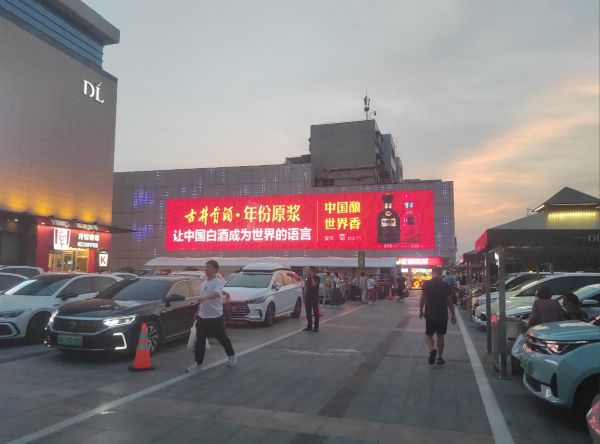
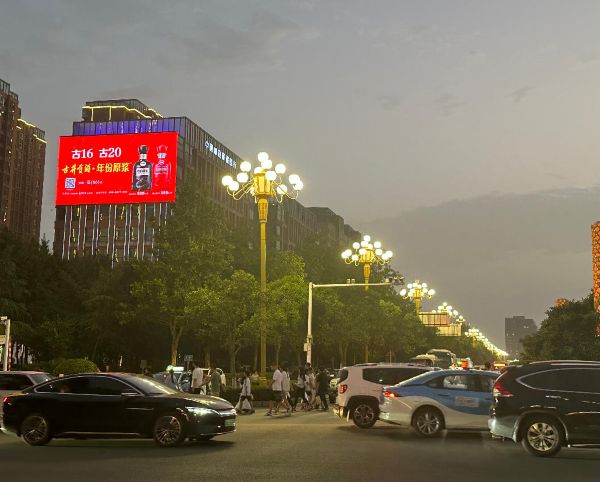
China OOH Advertising 2026: From Mass Reach to Precision Targeting & Measurable ROI
2026-07-23Tianci MediaViews:7
Highlights
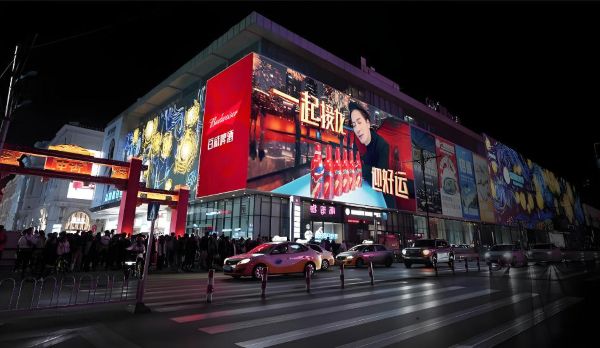
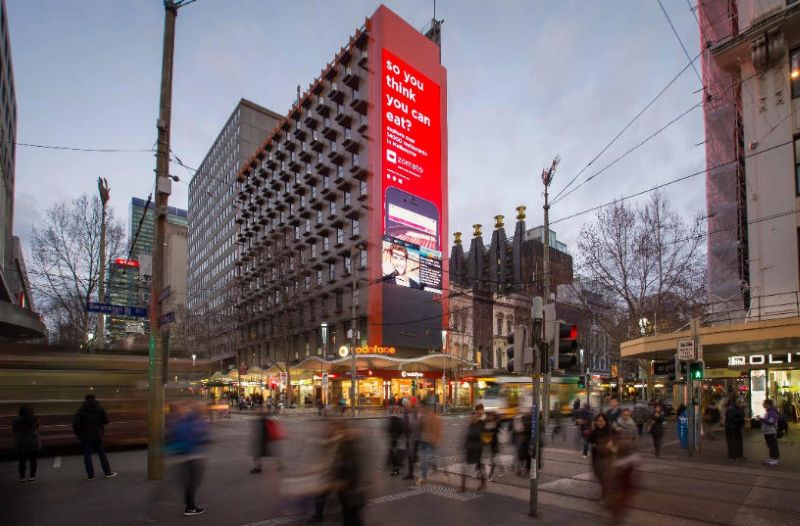
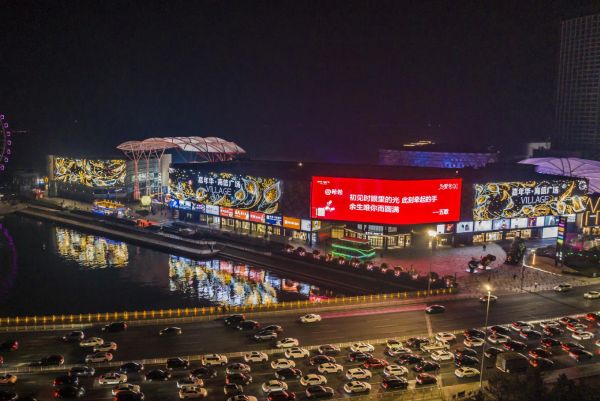
China’s out-of-home (OOH) advertising market is undergoing a fundamental transformation. In the first quarter of 2026, the market reached RMB 63.97 billion in total rate card spending, with 14,012 brands participating in launch. The market is projected to hit RMB 98.7 billion for the full year, growing at 7.1% year-on-year. But behind these numbers lies a more significant story: OOH is shifting from a mass-reach medium to a precision-targeting channel with measurable returns.
1. The Strategic Shift: From “Traffic Harvesting” to “Mindshare Cultivation”
The investment logic for OOH advertising has fundamentally reversed in 2026. It is no longer an “optional medium” in the marketing mix but an essential infrastructure for brands to build competitive moats in a crowded market. The key question has shifted from “whether to invest” to “who to target, where to place, and in what format to maximize mindshare returns”.
This shift is reflected in how advertisers allocate budgets. Over 60% of brands now prioritize combined OOH and digital media launch as a core strategy, with single-channel launch declining. Advertisers are moving away from “broadcasting” to “narrowcasting” — targeting specific consumer segments in specific life scenarios.
2. Programmatic DOOH: From Trial to Mainstream
Programmatic Digital Out-of-Home (pDOOH) has crossed the critical adoption threshold in 2026. According to the VIOOH “State of the Nation 2025” survey, 30% of Chinese advertisers have deployed pDOOH over the past year, up from 24% in 2023, with adoption expected to reach 32% in the coming year. Notably, 42% of respondents plan to allocate dedicated pDOOH budgets in 2025, a significant increase from 33% two years prior.
pDOOH is now expected to rank fourth among 14 major media channels for planned investments, up from sixth place two years ago. Advertisers are funding pDOOH by reallocating budgets from other digital channels (58%) and traditional channels (59%). The purchasing structure has also matured: 64% of Chinese advertisers now buy pDOOH through digital or programmatic teams, compared to only 27% in 2023.
3. AI and Data: The Engines of Precision
What makes precision targeting possible is the integration of AI and big data. AI tools now analyze traffic flow, weather, demographic clusters, and consumer behavior to place the right ads at the right moment. Dynamic content triggers — based on time, temperature, or crowd size — create more relevant and engaging OOH experiences.
At the creative level, AI is transforming OOH from single-display advertising into continuous, story-driven brand narratives. AI-related product Advertising placement surged 160% year-on-year in the first ten months of 2025. Over 70% of consumers recognize that AI-enhanced advertising positively influences brand perception.
In the technology space, companies like Tianci media have developed AI systems that automatically generate launch strategies, match media resources precisely, and quantify launch results with real-time monitoring. This represents a shift from human-led planning to AI-optimized decision-making.
4. Measurement: From “Proof of Posting” to Full-Funnel Attribution
Perhaps the most critical development is the maturation of OOH measurement. Where OOH was once evaluated by “proof of posting” — simply confirming that an ad went live — it can now be measured with the same rigor as digital channels.
LBS + AI + AR technologies now enable three-layer verification to ensure ads are displayed correctly, eliminating empty or incorrect placements. Post-campaign analysis quantifies actual reach and brand impact across 26 demographic dimensions. Key metrics include penetration rate, omnichannel consumption, and new customer acquisition — directly linking OOH to business growth.
The industry is now accelerating the establishment of a full-funnel evaluation system that connects “location data → media reach → business conversion”. Top brands are adopting hybrid measurement indicators that combine exposure quality, audience match rate, and interaction conversion metrics.
5. Strategic Takeaways for Brands
Shift from “buying space” to “buying audiences.” pDOOH enables precision targeting by time, location, weather, and demographics. The goal is no longer maximum reach but maximum relevant reach.
Invest in AI-powered creative. Dynamic, data-driven creative outperforms static visuals. AI can optimize ad content in real-time based on environmental conditions and audience behavior.
Demand measurement transparency. Work with media owners and agencies that offer verified measurement — from impression delivery to brand impact to sales conversion.
Integrate OOH into omnichannel plans. pDOOH pairs most effectively with social media ads, mobile ads, and connected TV. The most successful campaigns create “offline exposure → online conversation” loops.
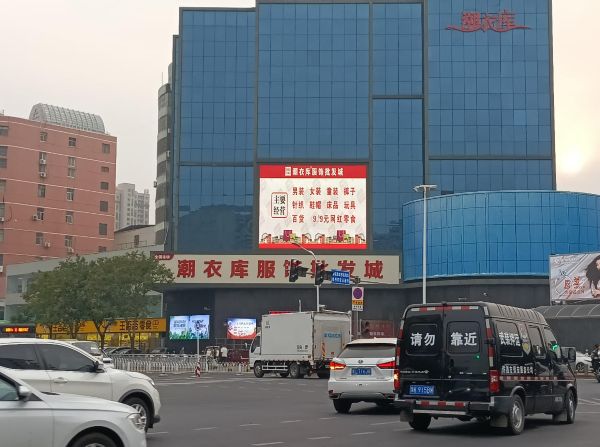
Plan for tiered city strategies. While tier-1 cities remain dominant, advertisers are increasingly allocating budgets to tier-2 and tier-3 cities. Different markets require different media mixes and creative approaches.
Conclusion
China’s OOH advertising market in 2026 is no longer about putting up a billboard and hoping people see it. It is a data-driven, AI-enhanced, programmatically-traded channel that delivers measurable brand impact and ROI. The shift from mass reach to precision targeting is not just a trend — it is the new normal. Brands that embrace this transformation will build deeper connections with Chinese consumers, while those that cling to outdated approaches will be left behind.