Korea Outdoor Advertising Placement 2026: DOOH Trends & Star Picasso Tower Screen Guide
2026-07-14Tianci MediaViews:56
Highlights
If you are a brand manager or marketing professional looking to break into the Korean market, you have probably noticed that online ads are getting pricier and less reliable. More and more marketers are turning to a channel that actually works: outdoor advertising. Korea outdoor advertising placement is no longer about putting up a dusty billboard and hoping for the best. The industry has gone digital, and the results are hard to ignore. According to industry data, South Korea's out-of-home advertising market is expected to reach around $760 million in 2026, with digital out-of-home (DOOH) taking up more than 70% of that total. That is a huge shift from just a few years ago. If you are not paying attention to Korean outdoor advertising campaigns, you are missing out on a channel that delivers high visibility, real-time flexibility, and measurable foot traffic data.
Why Digital OOH Is Exploding in South Korea
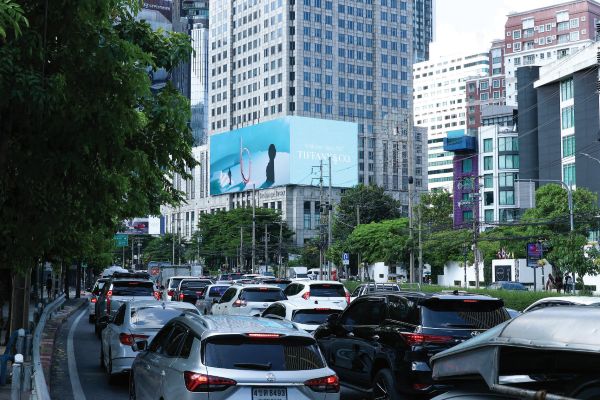
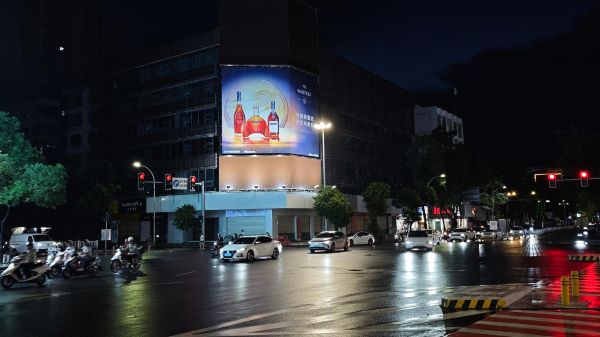
The move from static posters to giant LED screens is happening everywhere, from Gangnam to Hongdae. In 2024, digital signage grew 4.2% to over 525 billion KRW, while traditional outdoor formats actually shrank. Why? Because digital screens let you swap creatives in minutes, run programmatic auctions, and even change your message based on time of day or weather. That is a game-changer for brands that need agility.
The government has also helped by relaxing billboard rules in key zones like Gwanghwamun, Myeongdong, and Busan's Haeundae. Now you see massive digital canvases competing for attention, almost like Times Square in Seoul. For advertisers, this means more premium inventory in high-traffic spots, which drives better ROI for outdoor advertising in Korea.
Spotlight on the Star Picasso Tower Screen in Hongdae
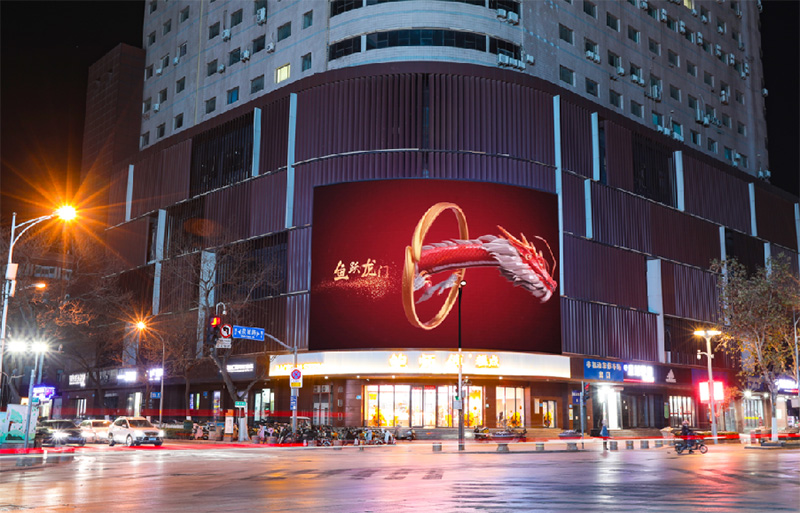
When we talk about premium Korean outdoor advertising locations, the Star Picasso Tower screen in Hongdae stands out. This 10.2m × 20.6m LED display sits right above Hongdae Entrance Station, at a perfect eye-level height with zero obstructions. It catches over 300,000 daily passersby and nearly 10 million visitors every month.
What makes this screen special is its audience. Hongdae is the epicenter of Korean youth culture, K-POP, and indie fashion. The crowd is mostly 18-to-35-year-olds—college students, trendsetters, and international tourists with high purchasing power. If your brand wants to go viral among young Koreans, running ads on this screen is a smart move. Many campaigns on the Star Picasso Tower outdoor screen turn into social media moments, as people take photos and share them online, giving you free earned media.
Practical Tips for Your Outdoor Campaign in Korea
So how do you plan a successful outdoor advertising placement in Korea? Here are a few straightforward steps.
First, match your location to your target audience. Do not just buy any screen. Luxury brands usually go for Gangnam or Apgujeong, while streetwear and beauty labels perform better in Hongdae or Myeongdong. The Star Picasso screen is perfect for lifestyle, entertainment, and tech products aimed at the younger crowd.
Second, design for the big screen. You have only about 15 seconds of a pedestrian's attention. Use bold colors, minimal text, and a clear call-to-action. Some brands even produce 3D anamorphic videos that make objects appear to pop out of the screen—those get massive organic shares.
Third, plan your timeline and budget. For landmark screens like the one in Hongdae, you typically need to go through an application and creative review process. Lead time is usually 4 to 8 weeks. Also, keep in mind that Seoul recently introduced brightness regulations to reduce light pollution, so your creative must comply with daytime and nighttime luminance limits.
What the Future Holds for Korean OOH
Looking ahead, the outlook for Korean outdoor advertising campaigns remains strong. Despite a cautious overall ad market in 2026, OOH holds a steady 9% share of the media mix. Surveys show that 17% of advertisers plan to increase their OOH spending this year, making it the third-most favored channel after mobile and connected TV.
Programmatic DOOH is also gaining steam. Platforms like Kakao Mobility now connect over 40,000 screens to major ad exchanges, allowing you to buy outdoor inventory with the same data precision as Google Ads. This means you can target by foot traffic patterns, dwell time, and even mobile device data. The line between online and offline is blurring, and smart brands are already leveraging this integration.
In short, ignoring outdoor advertising in Korea is a costly mistake in 2026. The infrastructure is modern, the audience is engaged, and the measurement tools are getting better every year. Whether you choose a massive digital billboard in Gwanghwamun or a youth-centric screen like the Star Picasso Tower in Hongdae, the key is to start early, create thumb-stopping visuals, and track your foot traffic spikes. Brands that act now will have a clear advantage over competitors still stuck in the old static-billboard mindset.