China Out‑of‑Home Advertising 2026: Market Trends, Digital Shift, and Brand Opportunities
2026-07-19Tianci MediaViews:7
Highlights
Out‑of‑home (OOH) advertising in China is no longer a static, traditional medium. Rapid urbanization, rising consumer mobility, and the limitations of digital‑only strategies have propelled OOH into a dynamic, tech‑driven channel. In 2026, the market is set to reach RMB 98.7 billion (≈US$13.6B), growing at a 7.1% CAGR, as brands seek offline touchpoints that are unskippable and contextually powerful.
Market Size & Growth
After a temporary dip in 2022, China’s OOH market rebounded to RMB 85.22 billion in 2024 and is forecast to hit RMB 98.7 billion in 2026. The long‑term outlook remains positive, with projections of sustained growth through 2029, fueled by reallocation from print/TV and increasing advertiser confidence in OOH’s measurable impact.
Digital Out‑of‑Home (DOOH) Takes Over
Digital formats now dominate. In 2024, DOOH accounted for 56.7% of total OOH spending, and by 2026, video‑based OOH is expected to make up 58.8% of the market. DOOH offers dynamic content, real‑time updates, and interactivity – from AI‑driven LED screens in Guangzhou to subway digital panels in Shanghai that adjust ads based on peak commuter flows.
Programmatic DOOH (pDOOH) Gains Traction
Programmatic buying is the next frontier. Adoption among Chinese advertisers and agencies reached 30% in 2025 (up from 24% in 2023), with 42% planning dedicated pDOOH budgets for 2025. Buyers increasingly use programmatic guaranteed (67%) and integrate pDOOH with social media, mobile ads, and connected TV. However, measurement and data granularity remain top concerns for nearly half of advertisers.
Key Formats & Channels
Elevator & building media
Transit advertising – subways, airports, and high‑speed rail (e.g., Zhaoxun Media, Asiaray).
Street furniture & public digital screens – bus shelters, kiosks.
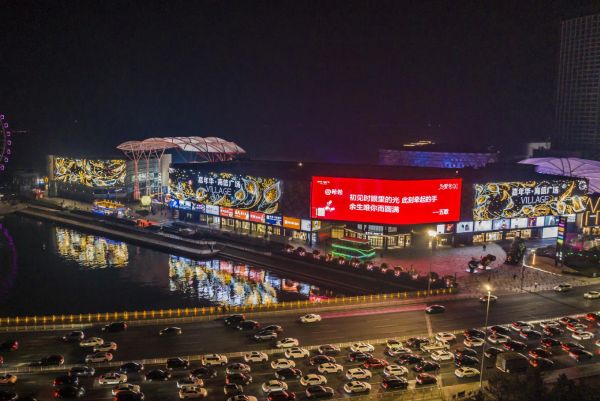
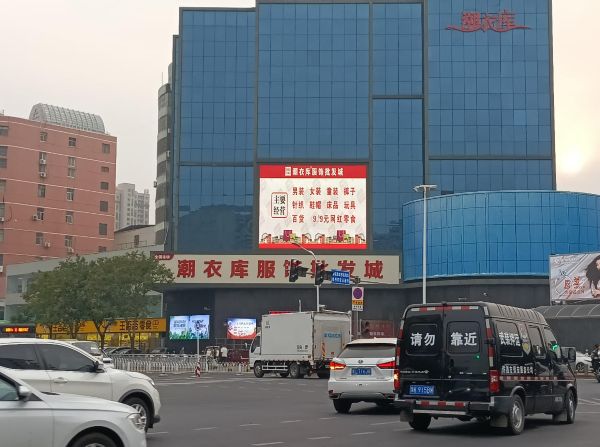
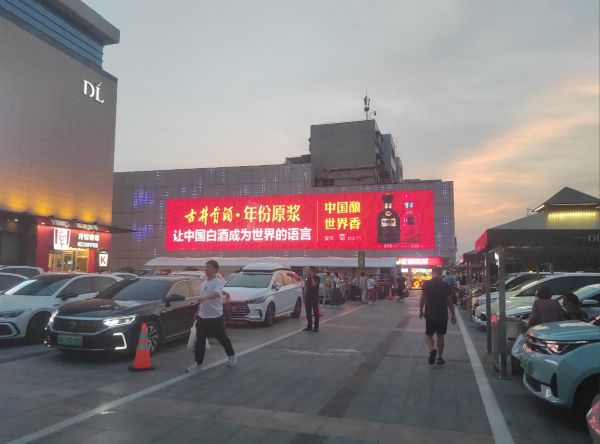
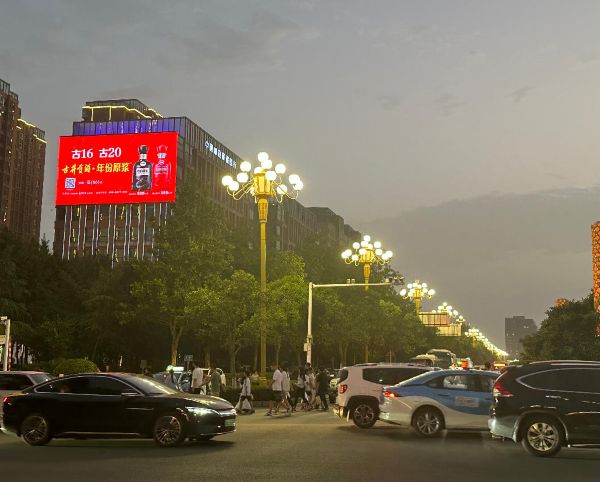
Large‑format digital billboards – iconic LED displays in commercial hubs.
Regulatory Environment
OOH advertising is governed by China’s Advertising Law, with strict rules on truthful content, location restrictions (e.g., no ads in park green spaces), and tobacco bans. New enforcement guidelines in 2025 clarified jurisdictional authority for outdoor violations. Data privacy regulations also limit precision targeting, but the government has eased administrative burdens (e.g., cancelling registration requirements).
Key Challenges
Measurement & attribution – 49% of advertisers cite lack of reliable audience data.
Technical fragmentation – many screens are not fully networked for real‑time trading.
Education gap – over half of advertisers admit limited understanding of pDOOH capabilities.
Media owner caution – some prefer stable recurring revenue over flexible programmatic sales.
Strategic Recommendations for Brands
Prioritize digital – invest in DOOH and pDOOH for better engagement and measurability.
Integrate omnichannel – pair OOH with social, mobile, and CTV to create seamless journeys.
Leverage programmatic – use time‑, location‑, and audience‑based targeting to optimise spend.
Focus on creative excellence – interactive or “giant object” ads drive organic social sharing.
Partner locally – work with experienced media agencies to navigate fragmentation and regulation.
Conclusion
China’s OOH market is undergoing a digital renaissance. With DOOH and programmatic adoption accelerating, the sector offers brands a powerful way to connect with consumers in the physical world. Despite measurement and technical hurdles, the trajectory is clear – OOH is an essential, high‑growth component of China’s advertising mix. Brands that act now, embracing data‑driven digital formats and integrated strategies, will capture significant competitive advantage.