Outdoor Advertising Placement Guide: Boost Brand Visibility with Large Screen Ads
2026-07-12Tianci MediaViews:53
Highlights
When you pour money into ads but barely see foot traffic or online buzz, it’s frustrating. You’re not alone. Many business owners wrestle with the same question: is my advertising placement actually working? Especially with outdoor media, the fear of wasting budget on blind spots is real. But here’s the thing – when done right, outdoor campaigns can become your brand’s loudest, most trusted voice. Let’s walk through what actually moves the needle.
Why Outdoor Advertising Still Wins in a Digital World
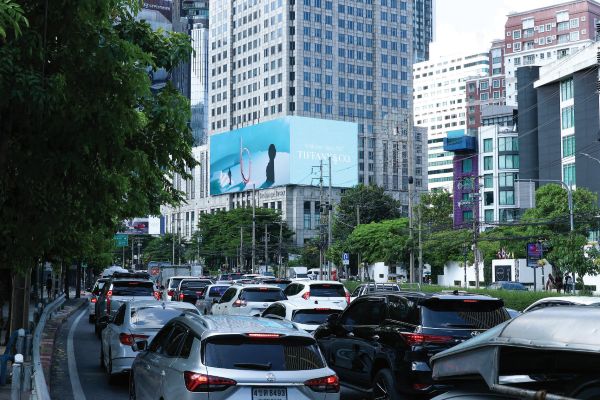
We all scroll past hundreds of online banners daily, but a massive billboard or a glowing outdoor large screen at a busy intersection? That stops you. Physical visibility creates mental imprint. Unlike digital ads that vanish with a swipe, outdoor signage stays put, repeating your message to the same commuters day after day. That repetition builds familiarity, and familiarity breeds trust. The catch is, you need a smart outdoor advertising placement strategy – not just any spot, but the right spot at the right time for your specific crowd.
H2: How to Choose the Right Outdoor Large Screen for Your Brand
H3: Location Over Everything – But Not How You Think
Prime locations cost a fortune, but they don’t always guarantee returns. Instead of chasing the priciest intersection, map out where your actual customers hang out. A outdoor large screen advertising placement near gyms works great for sports drinks, while a screen outside shopping malls fits fashion brands perfectly. Also consider dwell time – a screen near a traffic light gives people 30+ seconds to absorb your message, while a highway billboard offers only 5 seconds. Match your creative length to that window. And don't overlook indoor-outdoor hybrids like transit shelters or digital kiosks – they often cost less and target commuters who are already in a buying mood.
H3: Timing and Content Rotation Keep It Fresh
Running the same static image for a month? That’s wasted potential. Modern digital outdoor advertising lets you rotate creatives by time of day, weather, or even live events. For example, a coffee brand can show iced coffee at noon and warm lattes at 7 AM. This dynamic approach boosts relevance and cuts through the noise. Plus, you can test multiple versions simultaneously – A/B test your headlines or calls-to-action across different screens, then double down on what gets the most engagement (yes, you can track QR scans or short URLs). This turns a traditionally "mass" medium into a fairly precise tool.
H2: Measuring ROI – The Hard Part Made Simple
H3: Stop Guessing, Start Tracking
One big myth about advertising placement outdoors is that it’s unmeasurable. Not anymore. Use unique promo codes, custom landing pages, or even geofencing that triggers mobile ads when someone passes your screen. Compare foot traffic or website spikes during your campaign period versus the week before. Also, ask new customers how they heard about you – simple but gold. Combine these data points, and you’ll get a clear picture of cost per impression and cost per conversion. Yes, it takes a bit of setup, but it’s way cheaper than flying blind.
H3: Budget Smartly – Avoid the Splurge Traps
You don’t need the biggest screen in the city to win. Often, a cluster of smaller outdoor large screen displays in high-footfall neighborhoods outperforms one giant beacon in a low-traffic zone. Start with a shorter test run (2–4 weeks) on 2–3 screens, analyze the response, then scale up. Negotiate flexible contracts – many providers offer daypart pricing, so you only pay for peak hours. And always factor in production costs: motion graphics cost more than static, but they grab 3x more views. Balance your creative budget with your placement budget – a mediocre ad on a great screen still flops, and vice versa.
Wrapping Up – Where Outdoor Is Headed
The future of outdoor advertising placement is interactive and data-driven. Expect more screens with cameras that gauge audience demographics (anonymously) and adjust ads in real time. Also, programmatic buying is creeping into out-of-home, letting you bid for slots just like Google Ads. That means smaller businesses can finally compete with big players. So, don’t treat outdoor as an isolated channel – pair it with your social and search campaigns for a cohesive brand story. When every element speaks the same language, your advertising placement stops being an expense and starts being an asset.