South Korea Outdoor Advertising in 2026: What Brands Need to Know Before Launching
2026-07-09Tianci MediaViews:117
Highlights
If you're planning to expand into the Korean market, figuring out Advertising Placement in South Korea is probably high on your list. But here's the thing—South Korea's outdoor advertising scene has changed a lot in the past couple of years. Between the explosion of digital screens and new government policies opening up prime locations, the old playbook doesn't quite work anymore. Brands that jumped in without understanding the local landscape often ended up wasting budget on the wrong formats or locations. So what actually works in 2026?
Why Digital Screens Are Taking Over Seoul's Streets
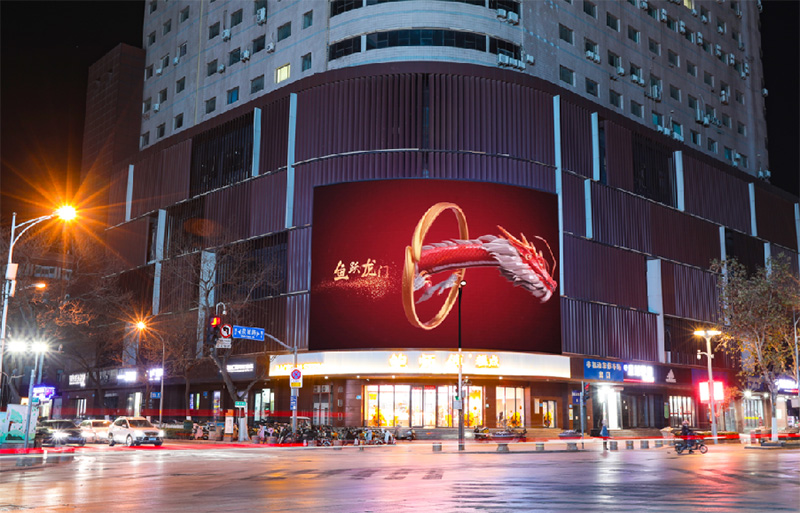
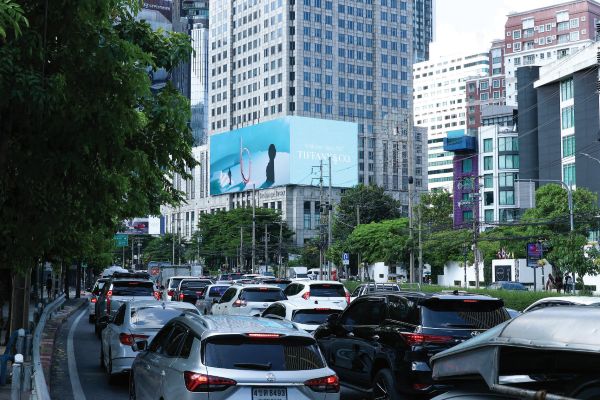
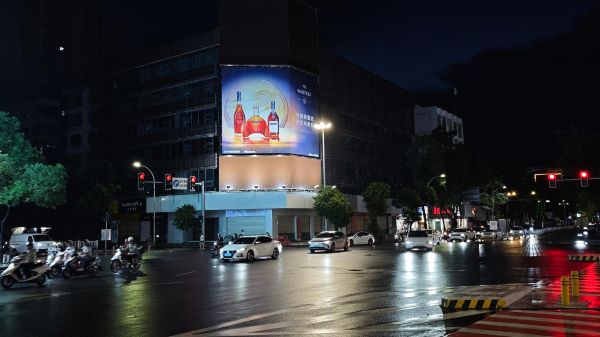
Walk through Gangnam, Myeongdong, or Gwanghwamun these days, and you'll see what I mean. Digital screens are everywhere. The numbers back this up—the South Korea OOH and DOOH market hit USD 711 million in 2025 and is projected to reach USD 926 million by 2031. Digital out-of-home alone made up 68.43% of that market in 2025, and it's growing at over 5% annually. That's not a small shift. It tells you that Outdoor Advertising Placement in South Korea is increasingly about pixels, not paper.
What Makes Seoul's Outdoor Ad Scene Different
Here's what surprises most international brands. Seoul isn't just one market—it's a patchwork of highly distinct neighborhoods, each with its own traffic patterns and audience demographics. Outdoor large screens in Seoul in Gangnam reaches a different crowd than screens in Hongdae. The government made this even more interesting by designating "free outdoor advertising zones" starting in Gangnam back in 2016, then expanding to Gwanghwamun, Myeongdong, and Busan's Haeundae in 2023. In these zones, restrictions on sign size, shape, and installation are relaxed, which means brands can go big and creative.
Prime Locations That Actually Deliver Results
Outdoor large-screen advertising placement in South Korea isn't about picking any screen you can find. Location is everything.
Gwanghwamun is arguably the crown jewel right now. Korea Telecom just unveiled "KT Square"—twin digital screens covering 1,770 square meters on their new headquarters building. That's roughly four basketball courts of display space, capable of 6K resolution content. Another 3,000-square-meter installation is already under construction nearby.
Seoul Station is another heavyweight. Kakao Mobility launched "SEOUL PANORAMA," a 111-meter-wide, 501-square-meter digital screen that replaced old lightbox ads. The station sees over 100 million visitors annually—73 million rail and subway passengers plus nearly 33 million private vehicle users. That's the kind of foot traffic that makes Outdoor advertisements in South Korea campaigns worthwhile.
Myeongdong shouldn't be overlooked either. When Shinsegae installed a massive LED billboard on its main store in November 2024, it recorded 1 million visitors within two months and saw year-on-year sales increase.
How to Make Your Korean OOH Campaign Work
Know Your Audience Through Mobility Data
This is where Korea stands out. Platforms like Kakao Mobility manage around 40,000 outdoor media assets in real time. They use data from navigation apps, taxi-hailing services, and train bookings to understand where people start their journeys, where they end up, and what demographics they belong to. This means you're not just buying a screen—you're buying access to specific audiences moving through specific spaces.
Pick the Right Format for Your Goal
Not every campaign needs a giant digital billboard. Outdoor Advertising Placement in South Korea offers multiple formats:
Large-format digital screens for brand awareness and impact—think Gwanghwamun or Seoul Station
Transit advertising like bus exteriors, which offer the lowest CPM in the industry at roughly 3,900 won per thousand impressions
Smart Media Poles—30 of these are being installed in Myeongdong
Programmatic DOOH through platforms like Naver's ADVoost Screen, which uses AI to make offline media campaigns more accessible
What's Coming Next
Looking ahead, the trend is clear. The outdoor LED display market in South Korea is projected to grow from roughly USD 380-420 million in 2026 to USD 620-720 million by 2035. OOH currently holds a 9.1% share of Korea's total ad market, and 17.1% of advertisers expect to increase their OOH spending. The industry is moving toward more targeted buying through retail media networks, mobility-linked inventory, and programmatic tools.
The bottom line? Korea Advertising Placement through outdoor channels isn't just viable in 2026—it's becoming essential for brands that want real visibility in one of Asia's most dynamic markets. The key is understanding the landscape, picking the right locations, and using data to reach the right audience.
Want to dive deeper? Check out our detailed guide on digital out-of-home advertising strategies and Korean media planning best practices for more insights.